Technology and Science06 April, 20261 min read
Artemis II Astronauts Break Moon Distance Record with Six-Hour Flyby
Artemis II becomes farthest human distance from Earth, surpassing Apollo 13. Crew: Reid Wiseman, Victor Glover, Christina Koch, and Jeremy Hansen.

Historic Lunar Flyby
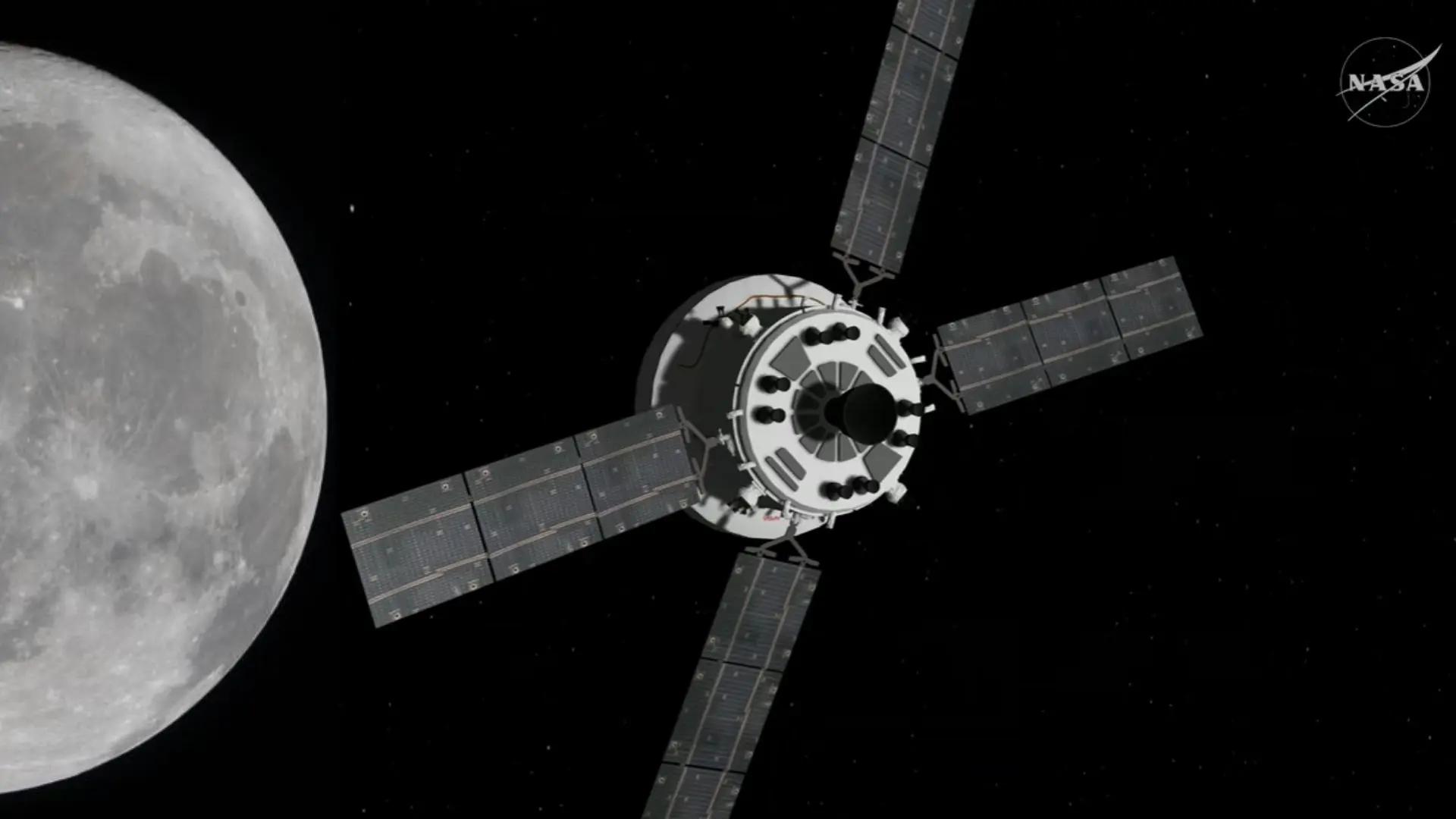
NASA's Artemis II mission made history as the first humans to fly beyond the Moon since 1972. The crew surpassed Apollo 13's distance record, reaching 406,773 km from Earth.
The flyby enabled unprecedented scientific observations of the lunar surface. Approximately 40 minutes of communication blackout occurred.
Scientific Achievements
The crew observed and photographed geological features including impact craters and lava flows. They passed over Apollo 12 and 14 landing sites for the first time since those missions.
The crew witnessed a total solar eclipse and the lunar corona. Astronauts relied on over two years of training in lunar geology.

Multinational Crew and Broader Context
Artemis II was the first mission beyond low Earth orbit with a non-American in over 50 years. Victor Glover was the first Black astronaut assigned to a lunar mission. The mission concluded safely with a Pacific splashdown after nine days.