
Artemis II Mission Illuminates Deep Space Human Challenges
Key Takeaways
- April 1, 2026 launch from Kennedy Space Center; SLS carries four astronauts around the Moon.
- Radiation exposure and deep-space physiological effects studied during the ten-day mission.
- Solar storms pose a potential derailment risk, prompting contingency planning.
Deep Space Hazards
The Artemis II mission has revealed unfamiliar hazards, particularly cosmic radiation.
“HOUSTON (AP) — The Artemis II astronauts are already the champions of a fresh new era of lunar exploration”
Dr. Farhan Asrar said there are still many effects of deep space on the body that we don’t fully understand.
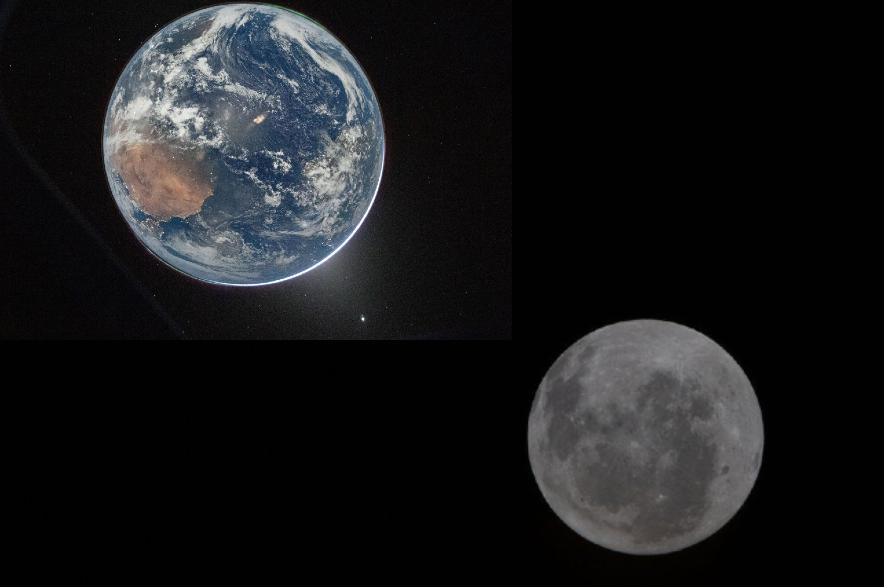
Radiation levels beyond low Earth orbit are higher and of a different type.
Jeremy Hansen became the first Canadian in deep space.
Even short exposures can help us understand how various systems might be impacted on longer missions.
Living Conditions and Safety
Astronauts live in confined spaces comparable to two camper vans.
Intimacy is nonexistent, with the toilet in a shared space.

Hygiene is limited to wipes and no-rinse shampoo.
Traditional bread is prohibited to avoid clogging filters.
Astronauts can shelter in a compartment under their seats.
Radiation and Solar Activity
Radiation risk was underscored days before launch by a significant solar flare.
“Atenea: what the Argentina-developed microsatellite looks like and what it will do as it participates in the historic Artemis II mission to the Moon - Author, Editorial - Author's title, BBC News Mundo - Reading time: 6 min After more than 54 years, humanity is once again on the way to the Moon”
NOAA issued a moderate geomagnetic storm warning coinciding with Artemis II's liftoff.
The Saudi Space Agency's Shams satellite was designed to study space weather.
These factors highlight the complexity of venturing beyond Earth's protective shield.
Public Engagement and Record Pursuit
Astronaut Hansen engaged with Canadian youth through live video calls.
The crew was in pursuit of Apollo 13's distance record.

NASA's free-return trajectory guarantees return even in engine failure.
The mission leads toward sustained lunar presence and Mars exploration.
More on Technology and Science

Artemis II Crew Conducts Spacesuit Tests, Prepares for Historic Lunar Flyby
67 sources compared

Artemis II Sets New Human Spaceflight Distance Record Beyond Moon
28 sources compared

Artemis II Astronauts Break Moon Distance Record with Six-Hour Flyby
31 sources compared

Comprehensive Review Finds No Link Between Prenatal Paracetamol and Autism
12 sources compared