
Artemis II Breaks Distance Record on 7-Hour Lunar Flyby, Observes Far Side
Key Takeaways
- Crew travels farther from Earth than any humans in history during the flyby.
- About 40 minutes of communications blackout when Orion passes behind the Moon.
- Images of the Moon's far side, including the Orientale basin, captured.
Historic Lunar Flyby
NASA's Artemis II mission conducted humanity's first crewed lunar flyby since Apollo 17.
“Search author on:PubMedGoogle Scholar View of the Moon from theOrioncapsule as the crew set the record for the farthest distance humans have travelled from Earth”
The crew passed 252,756 miles from Earth, breaking a 50-year record.
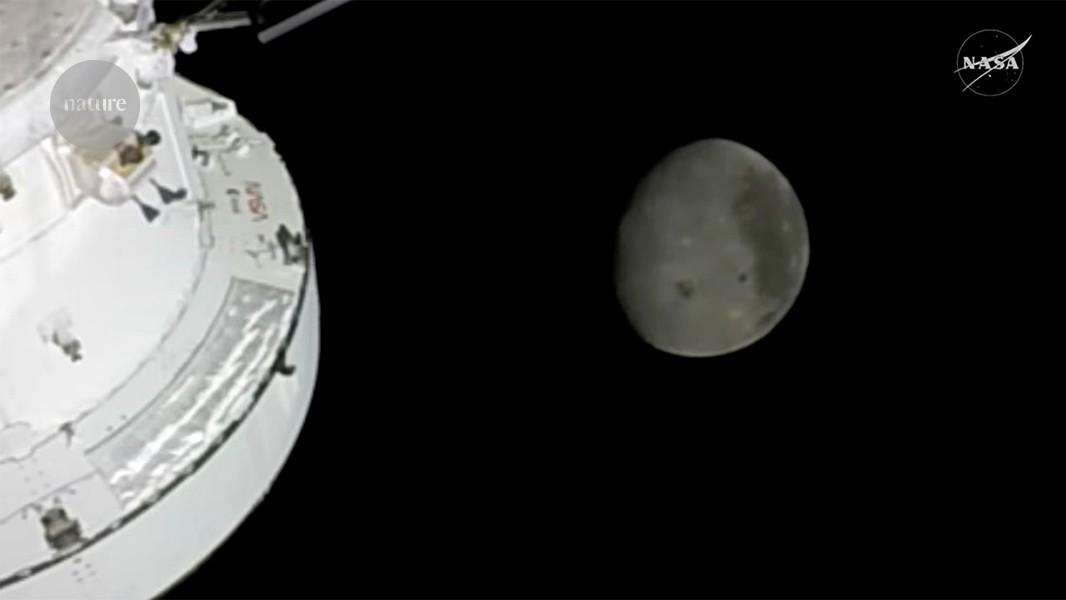
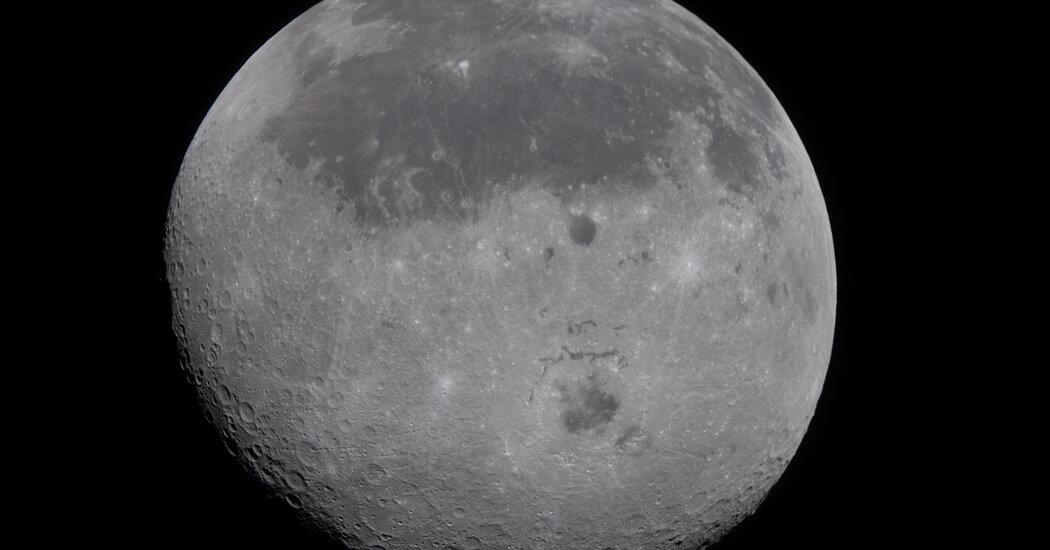
They observed and photographed parts of the Moon's far side never before seen by human eyes.
Planned Loss of Signal
Communications were lost for approximately 40 minutes when Orion passed behind the Moon.
NASA lacks lunar relay infrastructure unlike China.
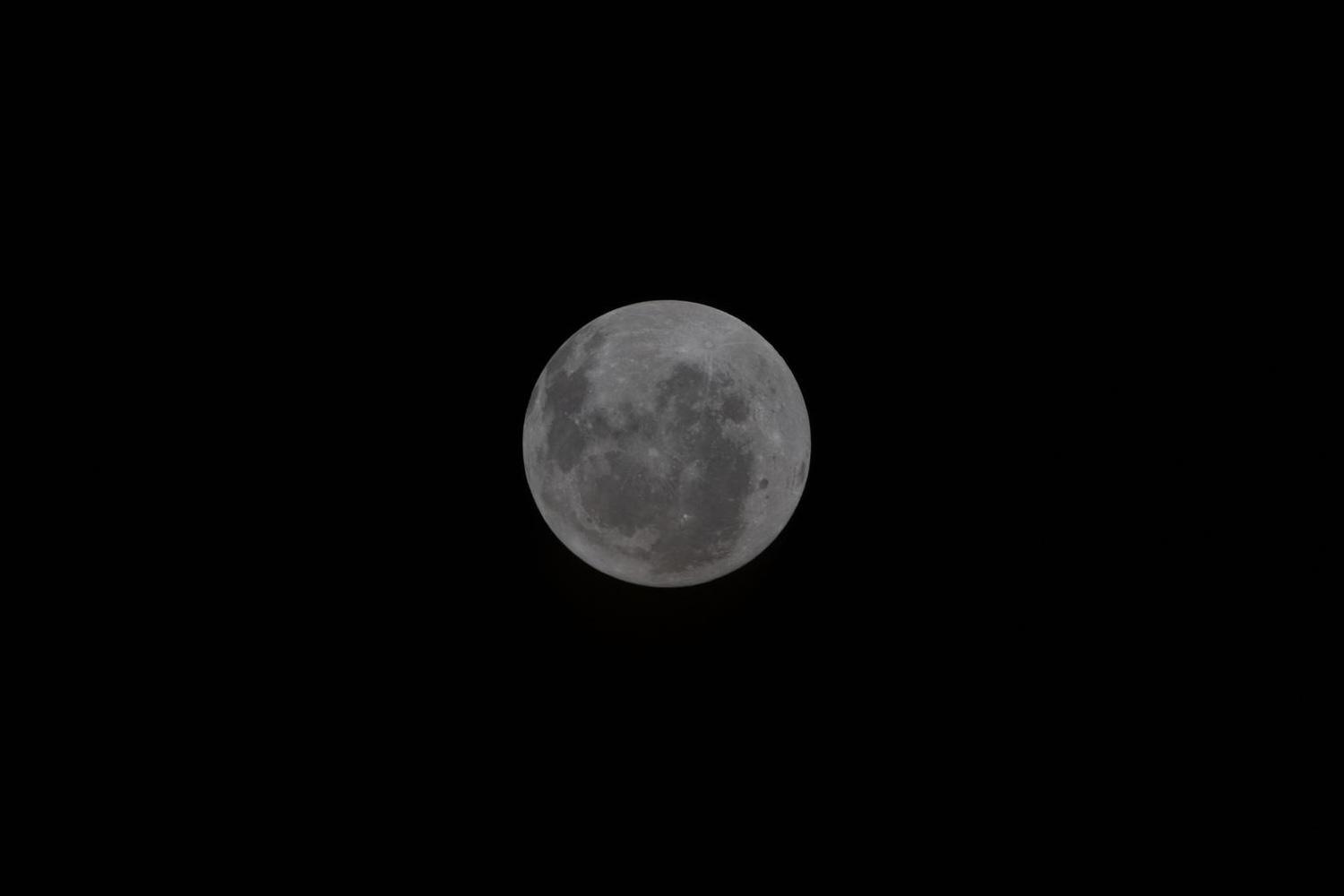
The blackout coincided with a solar eclipse.
Mission control reacquired signals shortly after 7:25 p.m. ET.
Scientific Observations
The astronauts conducted scientific observations focusing on lunar geology.
Victor Glover expressed fascination with the Moon's terminator.
They noted color nuances that can reveal mineral composition.
Path Forward
Artemis II does not include a lunar landing.
It serves as a critical bridge for future surface operations planned for 2028.

The crew is slated to return with a Pacific splashdown around April 10.
More on Technology and Science
Artemis II Becomes First Crewed Lunar Flyby in 54 Years, Sets Distance Record
12 sources compared

Artemis II Sets Distance Record, Observes Unseen Lunar Surface for Seven Hours
38 sources compared

Artemis II Mission Illuminates Deep Space Human Challenges
20 sources compared

Artemis II Astronauts Set Distance Record, Name Lunar Craters in Emotional Tribute
89 sources compared