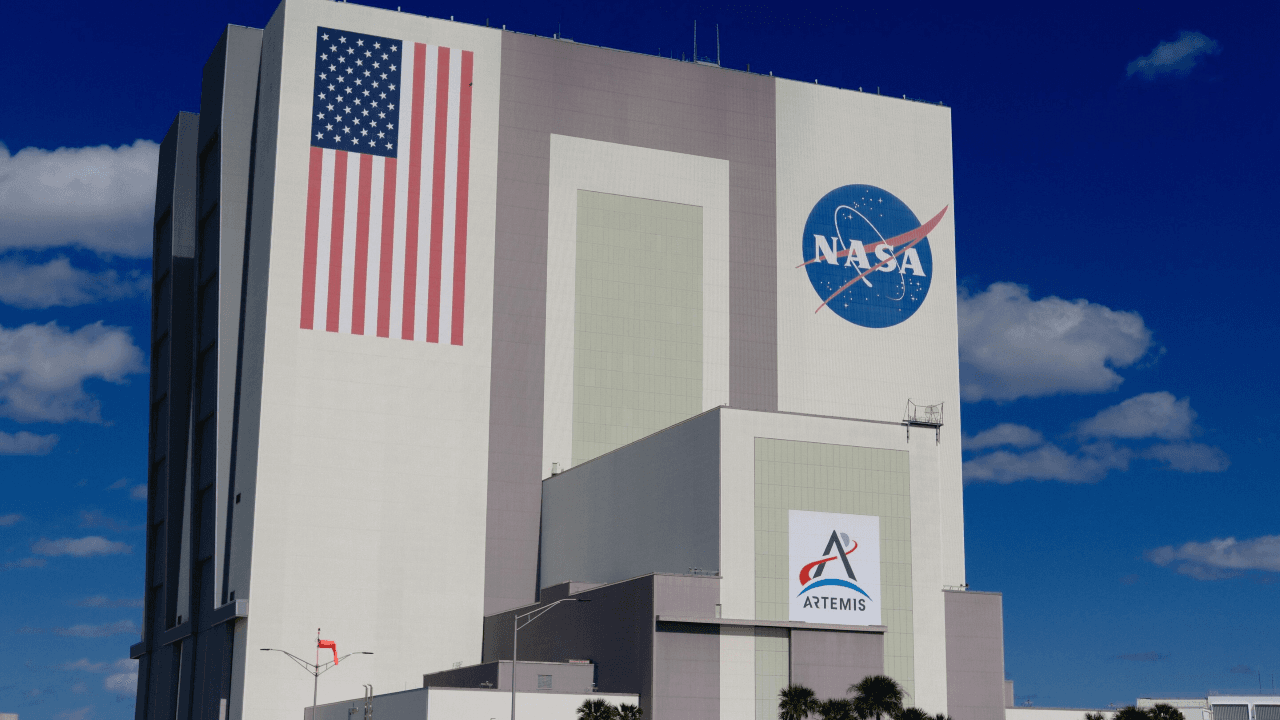
Artemis II Launches After $93 Billion NASA Program Marred by Delays
Key Takeaways
- Artemis II relies on SLS rocket and Orion; a lunar lander remains the missing piece.
- Artemis II will not land because the lunar lander is absent.
- Artemis II is framed as a milestone in the Artemis program to reach the Moon.
Historic Launch
After a 14-year odyssey marked by $93 billion in costs and repeated delays, NASA's Artemis II mission finally launched on February 6, 2026.
“As we have been reporting on Ars, NASA’s Artemis II lunar mission has been going rather well so far”
The mission served as a direct test of the SLS and Orion capsule with humans aboard for the first time since Apollo 17 in 1972.

While Artemis II did not include a lunar landing, the flight demonstrated core capabilities needed for sustained lunar exploration.
The crew represented a diverse group that would travel beyond the Moon's far side.
Program Costs and Challenges
The Artemis program has proven extraordinarily expensive, with $93 billion spent between 2012 and 2025.
The GAO found nearly $7 billion in overruns across three Artemis projects.

Orion alone showed a $360 million overrun in the last year.
Critics questioned whether the SLS was affordable at all.
Human Landing System Revisions
NASA is grappling with how to deliver on the lunar surface exploration promised by the 2019 architecture.
“Artemis: The United States spent $93 billion to reach the Moon before China”
Both SpaceX and Blue Origin have pitched ideas to accelerate delivery.
NASA has removed the Gateway docking requirement.
Lori Glaze told Ars Technica they have brought proposals about simplifying requirements.
More on Technology and Science

Artemis II Astronauts Set Record, Become Furthest Humans from Earth
37 sources compared
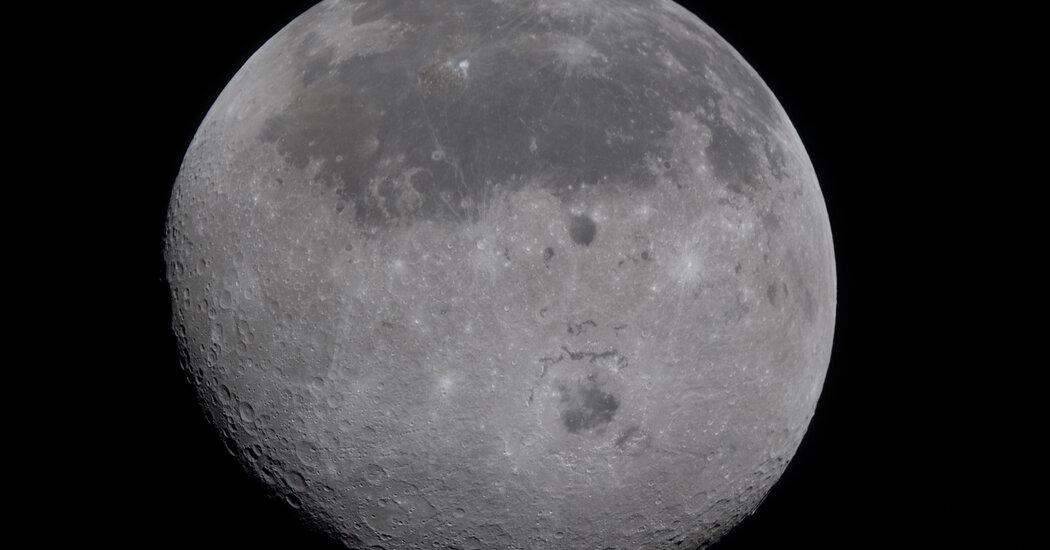
Artemis II Conquers Lunar Distance With Record-Breaking 10-Day Mission
20 sources compared

Artemis II Sets Distance Record, Observes Unseen Lunar Surface for Seven Hours
38 sources compared

Artemis II Mission Illuminates Deep Space Human Challenges
20 sources compared