
As the Iran war upends energy flows, Russia is emerging as the real winner
Key Takeaways
- Russia is shaping up as a major beneficiary of the U.S.-Israel–Iran war
- Higher oil prices and temporary sanctions relief boost Russia's crude export value and volume
- Middle East conflict rattles energy markets, raising oil prices amid Strait of Hormuz disruption fears
Russia as beneficiary
Russia is shaping up to be a major beneficiary of the war between U.S.-Israel and Iran, as higher oil prices and temporary sanctions relief boost the value and volume of its crude exports, analysts told CNBC.
“Russia is shaping up to be a major beneficiary of the war between U”
The Middle East conflict has rattled global energy markets, sending oil prices sharply higher amid fears of supply disruptions in the Strait of Hormuz, one of the world's most critical energy corridors.
Price movements
Oil prices surged over $100 per barrel on Monday as traders priced in the risk that conflict in the Gulf could disrupt shipments through the Strait of Hormuz, a chokepoint that carries roughly a fifth of the world's oil supply.
Even as oil fell about 7% on Tuesday after U.S. President Donald Trump signaled that the conflict with Iran could end soon, prices are still around 27% higher compared to before the war started.
Mechanisms of gain
Saul Kavonic, head of energy research at MST Marquee, said, "Russia stands to gain revenue from higher oil prices, especially as the U.S. has relaxed restrictions on selling Russian crude to India."
“Russia is shaping up to be a major beneficiary of the war between U”
Henning Gloystein, managing director for energy and resources at Eurasia Group, said Russia has "already hugely benefited" from the crisis after Washington granted India a temporary waiver allowing it to continue purchasing Russian crude.
"Cargoes have been sold around $90 per barrel, so this is a large increase in price and sales volume for Russia," he said, compared to around $50 from before the Iran war.
Muyu Xu, a senior analyst at Kpler, echoed that renewed buying from India has helped lift Russian crude prices while clearing a backlog of cargoes that had accumulated at sea.
According to Kpler data, Russian crude held on tankers fell to 118.3 million barrels this week from 132.9 million barrels at the end of February, suggesting cargoes were moving to buyers fast.
Gloystein estimates Moscow could generate tens of billions of dollars in additional state revenue as elevated oil and gas prices persist.
In addition to the temporary waiver granted to India, Trump is also reportedly weighing easing oil sanctions on Russia, according to Reuters.
Limits and constraints
Russia's advantage may also extend beyond crude oil; Gloystein said Europe could increase imports of Russian liquefied natural gas because there are currently no European sanctions on those shipments, at least until the European Union's planned phase-out takes effect in 2027.
Russia's ability to fully capitalize on the situation, however, remains constrained.
Years of sanctions and Ukrainian attacks have damaged parts of Russia's energy infrastructure, limiting the speed at which the country can ramp up production or exports.
"The benefit could be meaningful in the short term because Russia gains both from higher prices and from some easing in the practical enforcement of sanctions," said Carole Nakhle, founder of Crystol Energy.
"But the upside is still constrained."
She added that shipping and insurance restrictions, as well as the concentration of Russian exports to a small pool of buyers such as India and China still limit how fully Moscow can take advantage of supply disruptions.
More on Iran
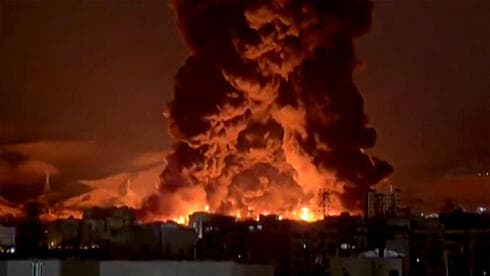
Trump Says U.S. Bombed Military Sites on Kharg Island, Iran's Oil Hub
14 sources compared
FBI Warns of Iranian Drone Plot Based on Unverified Tip; California Says No Credible Threat
10 sources compared

White House Demands ABC Retract Report Claiming Iran Sought To Launch Drone Attacks On California
11 sources compared

Iranian Proxy Claims It Shot Down US Refueling Plane in Iraq; US Military Says Otherwise
17 sources compared