
Assembly of Experts Names Supreme Leader Mojtaba Khamenei After US, Israeli Strikes Kill Ali Khamenei
Iran names new Supreme Leader
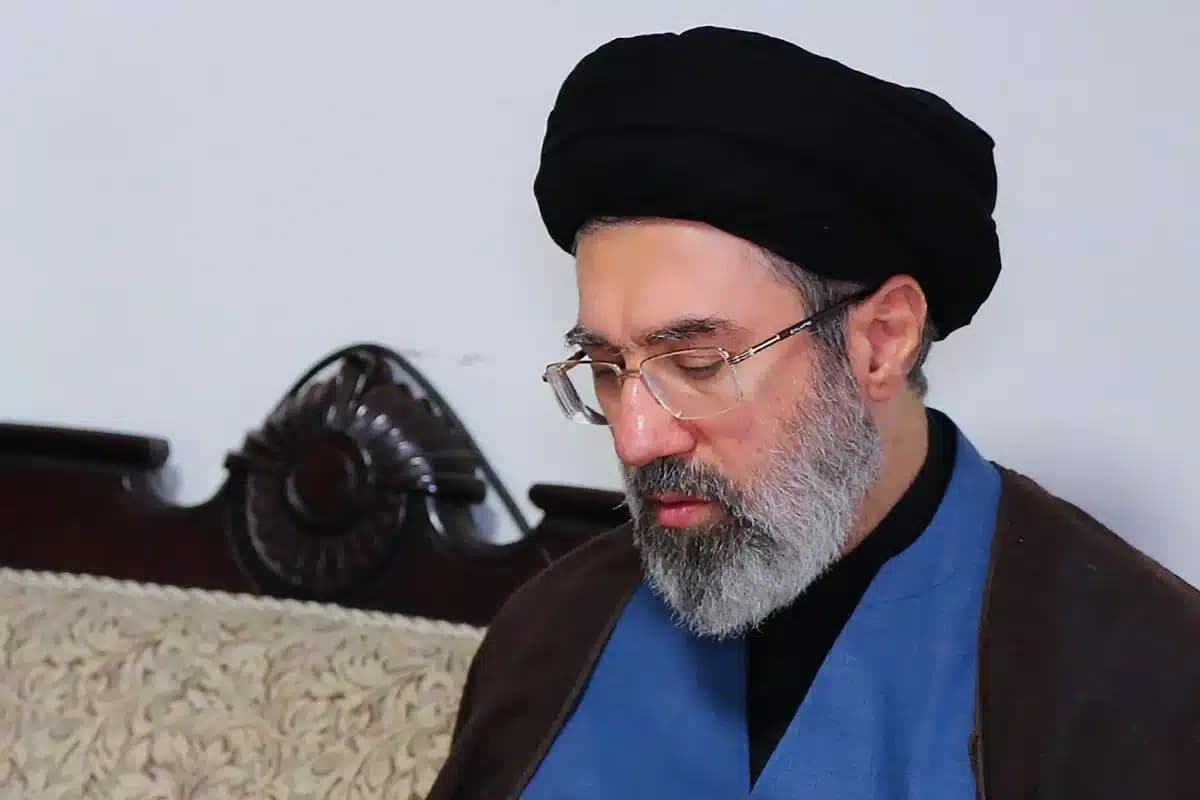
Iran’s Assembly of Experts announced on March 8–9 that Ayatollah Seyyed Mojtaba Khamenei, 56, has been chosen as the country’s new Supreme Leader following the reported death of his father, Ayatollah Ali Khamenei, in strikes described as joint US–Israeli operations.
“DUBAI, March 8 (Reuters) - Iran's Assembly of Experts has named Mojtaba Khamenei to replace his father, Ayatollah Ali Khamenei, as the country's new supreme leader, state media reported on Sunday”
State media and multiple outlets framed the selection as an extraordinary wartime appointment by the clerical body.
Reuters‑cited coverage and regional reporting described the appointment as a "decisive vote" by the Assembly that makes Mojtaba the third supreme leader since the 1979 revolution.
Several reports noted the naming came just over a week after the strike that killed the previous leader and struck Tehran’s institutions.
Profile of Mojtaba
Profiles in regional and international outlets emphasize that Mojtaba is a relatively low-profile, mid-ranking cleric with a background in the Revolutionary Guard and seminary training, rather than a long-time holder of public office.
Multiple reports say he "has no prior formal office or senior clerical rank" yet exerted behind-the-scenes influence, including ties to the IRGC.

State and pro-regime outlets emphasize his wartime service and seminary credentials.
Western coverage highlights U.S. sanctions imposed in 2019 for his links to IRGC elements.
Succession legitimacy concerns
Observers and some outlets highlighted questions about legitimacy and the unconventional nature of the succession.
“The Jerusalem Post said missile fragments struck central Israel, wounding one person”
Several pieces noted that the choice departs from the republic’s longstanding public rejection of hereditary transfer of the supreme leadership.
They added that the appointment was reportedly not on the late leader’s successor list and that the IRGC’s influence played a decisive role amid wartime conditions.
Iran leadership support and tensions
Iranian institutions and state media presented swift consolidations of support.
Analysts warned of potential elite resistance.

The IRGC and the General Staff offered public endorsements and were reported to pledge obedience.
State outlets described celebratory gatherings and calls for unity.
Other commentary warned that choosing a mid-ranking figure under pressure could provoke clerical pushback and factional tensions.
Regional and international reaction
The succession has immediate regional and international implications.
“The clerical body called on citizens,“especially the elites and intellectuals of the seminaries and universities,” to pledge allegiance to the new leadership and support the stability of the Islamic Republic”
The appointment was met with sharp warnings from foreign leaders.
Further military escalation was reported.
Coverage cited U.S. and Israeli threats toward successors.
Former U.S. President Trump criticized the choice.
State outlets said Iran launched missile waves at Israel after the announcement.
International reporting flagged wider escalation in cross-border strikes and civilian harm in neighboring states.
Key Takeaways
- Mojtaba Khamenei was named Iran's new supreme leader by the Assembly of Experts.
- His appointment followed Ayatollah Ali Khamenei's death in a joint US‑Israeli strike on Feb. 28.
- Mojtaba has close IRGC ties, lacks formal government posts, and faces prior US sanctions.
More on Iran
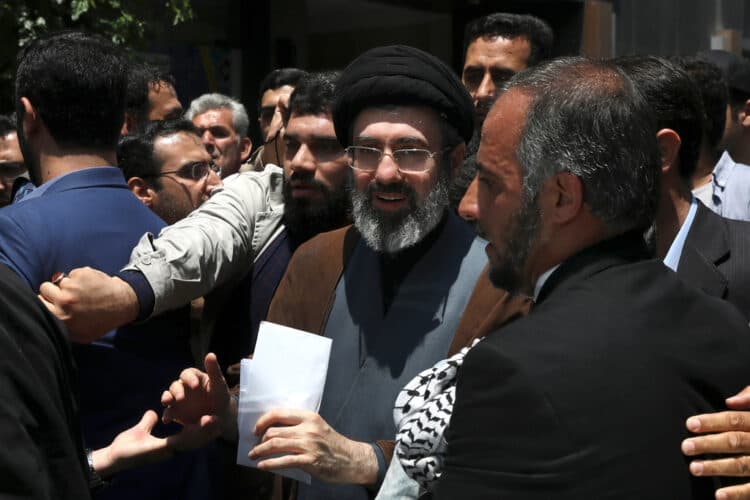
Iran Names Mojtaba Khamenei Supreme Leader
17 sources compared
Iran Names Mojtaba Khamenei Supreme Leader
14 sources compared
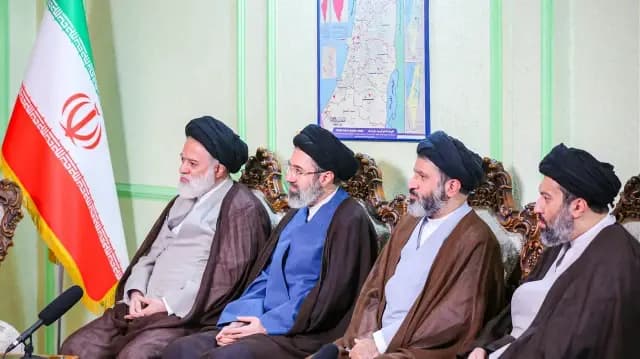
Iran Names Mojtaba Khamenei Supreme Leader After Israeli Strike Killed Ali Khamenei
25 sources compared
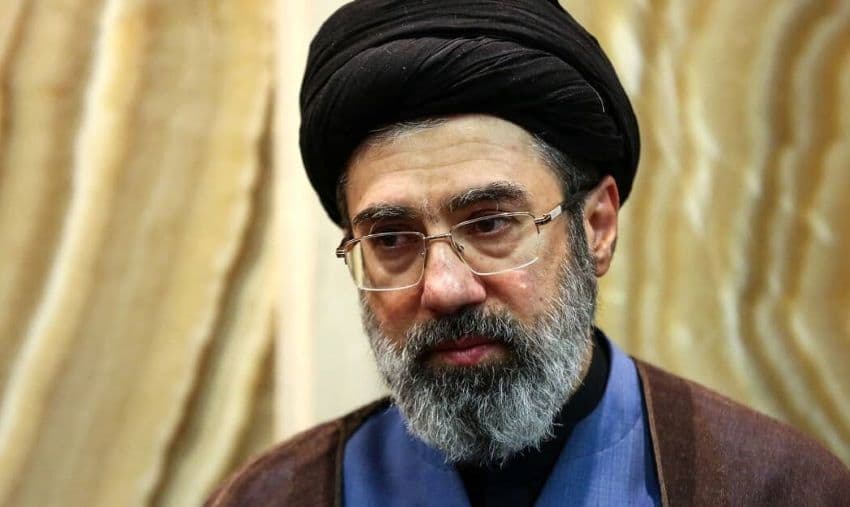
Iran Names Mojtaba Khamenei Supreme Leader After Killing of Ayatollah Ali Khamenei
14 sources compared