
Iran Names Mojtaba Khamenei Supreme Leader
Iran appoints new leader
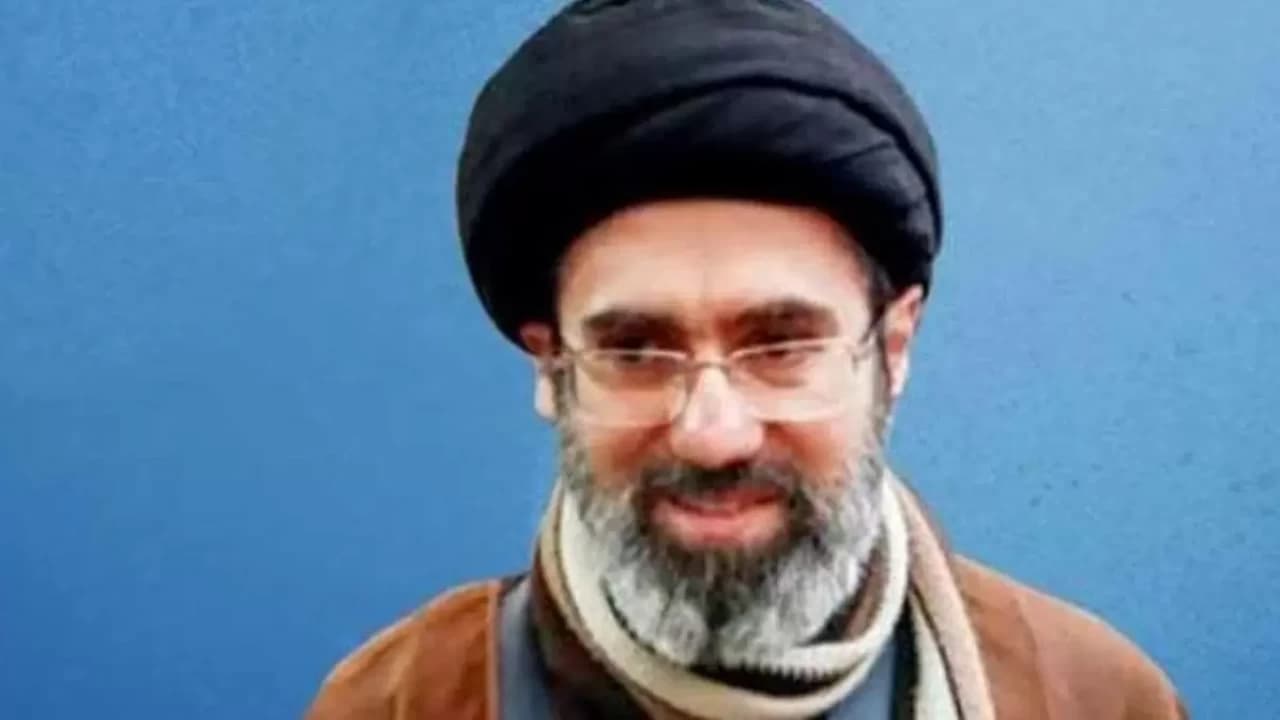
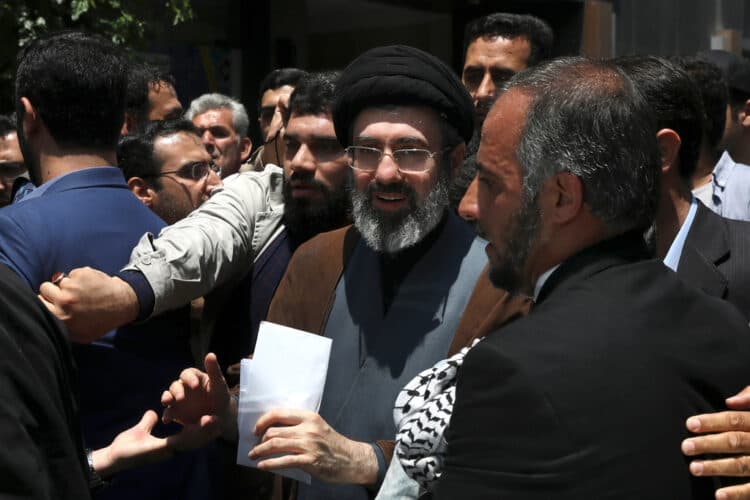
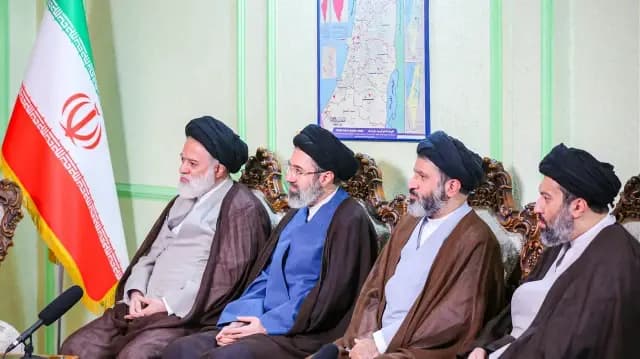
On March 9 Iran’s Assembly of Experts announced it had appointed Seyyed Mojtaba Khamenei as the country's new Supreme Leader following the death of his father, Ayatollah Ali Khamenei.
“8h 20 '%3E%3Cpath%20d='M15”
The development was reported across regional and international outlets amid ongoing hostilities.

The Guardian reported that 'Iran has appointed Mojtaba Khamenei as its new supreme leader following the death of his father, Ayatollah Ali Khamenei, who was killed in a US-Israeli strike on 28 February.'
The New York Times noted clerics 'named Mojtaba Khamenei, 56, as the successor to his slain father... signaling a desire for continuity in Tehran.'
The Free Press Journal summarized the official announcement: 'Tehran, March 9 — Iran's Assembly of Experts has appointed Seyyed Mojtaba Khamenei as the country's new Supreme Leader, prompting celebrations across the country as hundreds took to the streets, Press TV reported.'
Profiles of Mojtaba
Observers emphasize Mojtaba's discreet but powerful background as a 56‑year‑old cleric educated in Qom with deep ties to Iran’s security establishments and little prior public office.
The Guardian said he studied in Qom, has never held elected office, and operated largely behind the scenes as part of his father's inner circle, cultivating ties with conservative clerics and the IRGC.
The New York Times said Mojtaba, known for close ties to the Islamic Revolutionary Guard Corps, now assumes Iran’s top religious and political post and the role of commander in chief.
The Associated Press noted he had long been considered a possible successor.
The Daily Mirror added that Mojtaba, who studied in Qom and holds the mid‑level clerical rank of hojjatoleslam, was described by supporters as more radical than his father.
Reaction to Mojtaba's elevation
Key state institutions and senior officials publicly rallied behind the appointment.
The announcement triggered visible public reaction and social media debate inside Iran.
The Guardian said Mojtaba's elevation has drawn broad public endorsement from Iran's political and security establishments, including the IRGC, the armed forces, the speaker of parliament and senior security officials, who called for unity around the new leader.
Free Press Journal reported that key institutions including the IRGC and the General Staff of the Armed Forces pledged their support, and senior officials such as Supreme National Security Council Secretary Ali Larijani and the parliament speaker called for unity behind the new leader.
Meyka recorded that the announcement sparked intense social media debate, with millions discussing it; supporters praised continuity and critics questioned the selection's legitimacy.
Appointment amid regional violence
The appointment occurred amid heightened regional fighting and immediate international reactions, with reports of missile launches and threats against the new leader.
Free Press Journal reported that Press TV said Iran launched two waves of missiles at Israel shortly after the announcement, and The Jerusalem Post said missile fragments struck central Israel, injuring one person.

The New York Times described the wider violence, saying the announcement came amid intense fighting as Israel said it was attacking Tehran and Beirut and Iran said it had launched additional missiles toward Israel in response to expanding U.S.-Israeli strikes.
The Daily Mirror noted that U.S. President Donald Trump said the successor would need U.S. approval or 'is not going to last long', and that Israel's military warned it would not hesitate to target any replacement.
The Associated Press quoted Trump saying he wants input on who leads Iran after the war and warned a new leader 'is not going to last long' without U.S. approval.
Reactions to Mojtaba's elevation
Analysts and critics offered sharply divergent readings of what Mojtaba’s elevation means for Iran’s future: continuity of the current security‑centered line, or a worrying shift toward dynastic concentration of power.
“Over time, diplomats and analysts believe he developed strong relationships with conservative factions and Iran’s security establishment”
Meyka reported that “experts believe a dramatic short-term shift is unlikely because the Supreme Leader’s office coordinates closely with military and clerical institutions that favor continuity.”
&w=3840&q=75)
The Guardian cautioned that “critics warn it raises concerns about concentrated, potentially dynastic power in a state founded to overturn hereditary rule.”
The Houston Chronicle summed up the criticism, writing “Critics say installing him would create a theocratic hereditary monarchy.”
The Associated Press noted that “As supreme leader, he would control the Revolutionary Guard and have a central role in war strategy.”
Key Takeaways
- Mojtaba Khamenei, son of Ali Khamenei, was chosen by Iran's Assembly of Experts to lead
- Appointment follows Ali Khamenei's death in US-Israeli strikes amid the ongoing regional war
- Mojtaba has close ties with the Islamic Revolutionary Guard Corps, signaling hard-line continuity
More on Iran
Iran names Mojtaba Khamenei supreme leader, elevating hard-line cleric
11 sources compared
Iran Names Mojtaba Khamenei Supreme Leader After Father's Killing Sparks War
18 sources compared
Iran Names Mojtaba Khamenei Supreme Leader, Hard-Liner Succeeds Ali Khamenei
21 sources compared
Iran Names Mojtaba Khamenei Supreme Leader After US, Israel Strike Kills Ali Khamenei
31 sources compared