Iran Names Mojtaba Khamenei Supreme Leader, Hard-Liner Succeeds Ali Khamenei
Succession of Iran's supreme leader
Iran’s Assembly of Experts has formally named Mojtaba Khamenei as the country’s new supreme leader, according to state media and reports from multiple outlets.
The appointment succeeds his father Ayatollah Ali Khamenei.
State outlets and regional papers described the vote by the 88-member clerical body as decisive.
They said the appointment came amid active fighting and the reported death of Ali Khamenei.
Officials urged unity behind the new leader.
Mojtaba Khamenei profile
Mojtaba Khamenei is portrayed across reports as a low-profile but influential cleric with deep ties to Iran’s security apparatus.
He is depicted as having a limited public record in elected office rather than a long history of such posts.

Coverage emphasizes his behind-the-scenes role, limited prior formal government posts, and close connections to the Islamic Revolutionary Guard Corps (IRGC).
Those traits made him a known contender for succession even as he remained little known outside Iran’s power circles.
Iran leadership succession
Analysts and state reports stress that the new leader will inherit the supreme leader’s sweeping powers, including ultimate authority over the military, judiciary and key state institutions.
“Associated Press journalists Melanie Lidman in Tel Aviv, Israel; Matthew Lee in Washington; Christopher Weber in Los Angeles; and Aamer Madhani in Doral, Florida, contributed reporting”
They say his elevation signals continuity of hard-line theocratic governance.
Several outlets noted the appointment gives Mojtaba control over the IRGC’s direction and, per some reports, authority over Iran’s enriched‑uranium stockpile, reinforcing concerns among regional and Western observers about the trajectory of Iran’s policies.
Regional escalation context
The succession unfolded amid an intensifying regional conflict involving Israel, the United States and Iran.
Multiple outlets documented strikes on Iranian infrastructure, cross-border attacks, significant casualties, diplomatic evacuations and oil market disruptions.
Reports place the naming in the larger context of a multi-theatre escalation that has prompted evacuations of diplomatic staff and attacks on critical facilities across the Gulf and Levant.
Appointment controversy and reactions
Critics inside Iran and abroad described the succession as consolidating hard‑liner control or even effectively hereditary.
Israel warned it would target replacements.

Some Western figures reacted with hostility.
Reports noted internal divisions and security pressures on the Assembly of Experts during the vote.
Iranian officials warned that military responses would intensify if attacks continued.
Key Takeaways
- Mojtaba Khamenei, Ali Khamenei's son, was named his father's successor by the Assembly of Experts.
- He is a hard-line cleric long active behind the scenes, signaling continuity of hardline policies.
- The appointment occurred amid escalating regional war, strikes, and surging global oil prices.
More on Iran
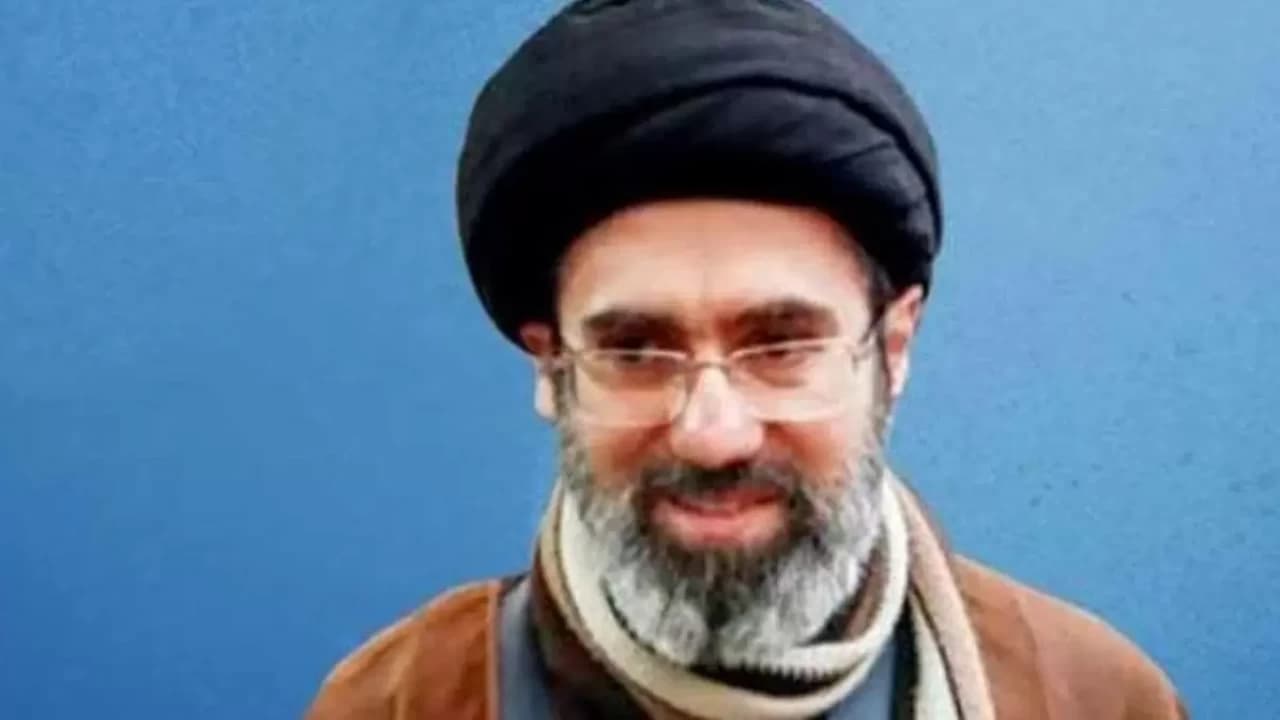
Iran names Mojtaba Khamenei supreme leader, elevating hard-line cleric
11 sources compared
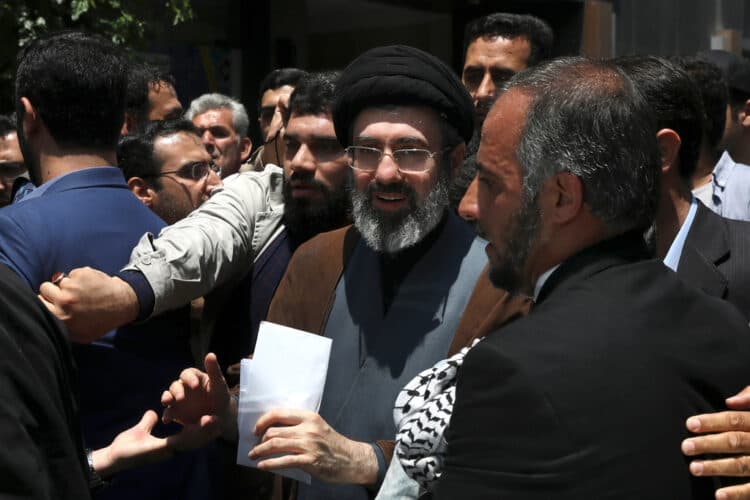
Iran Names Mojtaba Khamenei Supreme Leader After Father's Killing Sparks War
18 sources compared
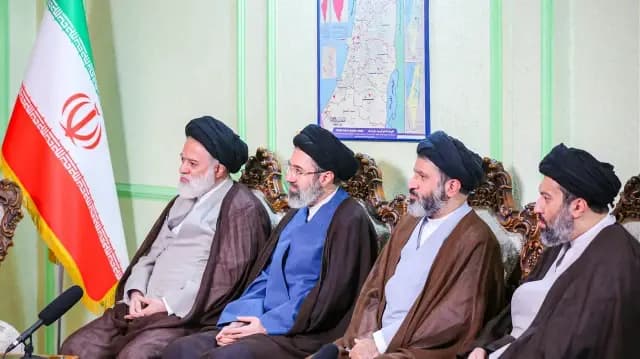
Iran Names Mojtaba Khamenei Supreme Leader After US, Israel Strike Kills Ali Khamenei
31 sources compared

Iran Names Mojtaba Khamenei Supreme Leader
24 sources compared