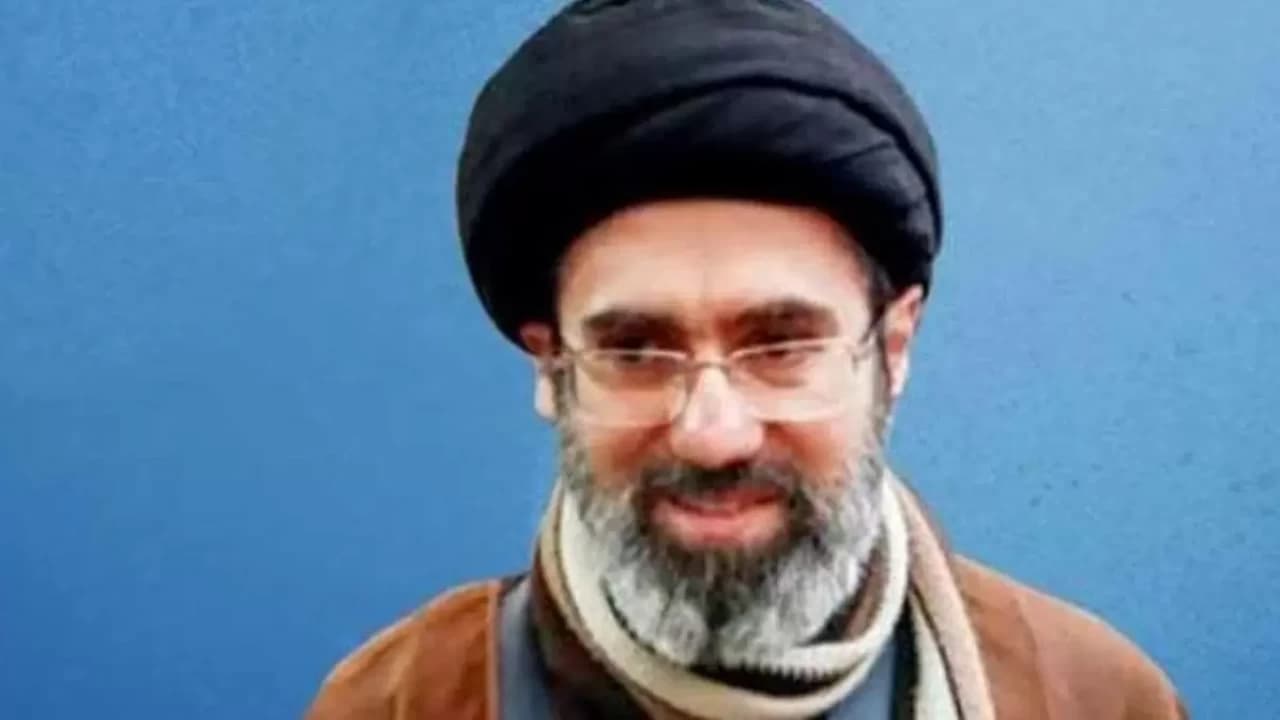
Iran names Mojtaba Khamenei supreme leader, elevating hard-line cleric
Appointment of Mojtaba Khamenei
Iran’s Assembly of Experts has named Mojtaba Khamenei as Iran’s third supreme leader.
“Iran names former supreme leader’s son to succeed him as war sends oil prices soaring Iran names former supreme leader’s son to succeed him as war sends oil prices soaring DUBAI, United Arab Emirates (AP) — Iran named Mojtaba Khamenei, a son of its late supreme leader, the Islamic Republic’s next ruler on Monday, putting a hard-line cleric in charge as the war spreading across the Middle East sent oil prices skyrocketing with Iran launching new attacks on regional energy infrastructure”
The appointment elevates the 56-year-old son of Ayatollah Ali Khamenei to the country’s highest religious and political office.
The New York Times reported that Mojtaba Khamenei, 56, has been appointed Iran’s third supreme leader by the Assembly of Experts.
The Associated Press reported that Iran’s Assembly of Experts on Monday named Mojtaba Khamenei, a 56-year-old son of the late Ayatollah Ali Khamenei, as the country’s new supreme leader.
NBC News recorded that Mojtaba Khamenei has been chosen as the Islamic Republic’s third supreme leader.
Türkgün reported that Mojtaba (Mücteba) Khamenei has emerged as the country’s new religious leader.
The sources contradict each other on whether Ali Khamenei is deceased: the Associated Press calls him 'late' while the other reports do not.
Mojtaba Khamenei appointment
Reporting across outlets emphasized the concentration of authority the role confers.
They sketched Mojtaba Khamenei's profile as a secretive, hard-line cleric with close ties to the Islamic Revolutionary Guard Corps (IRGC).

Observers said the appointment strengthens family and regime control.
The Associated Press called him "A secretive, hard-line cleric with close ties to the Islamic Revolutionary Guard Corps (IRGC)."
The Wall Street Journal framed the move as "consolidation of power within the Khamenei family and the regime’s leadership."
Türkgün added that he was born September 8, 1969 in Mashhad and served on the front during the Iran–Iraq War in 1987–88.
The New York Times underscored the supreme leader's powers, saying the office has "overarching control of politics and the armed forces, power to issue decrees and fatwas, and authority to make senior appointments."
Regional conflict and fallout
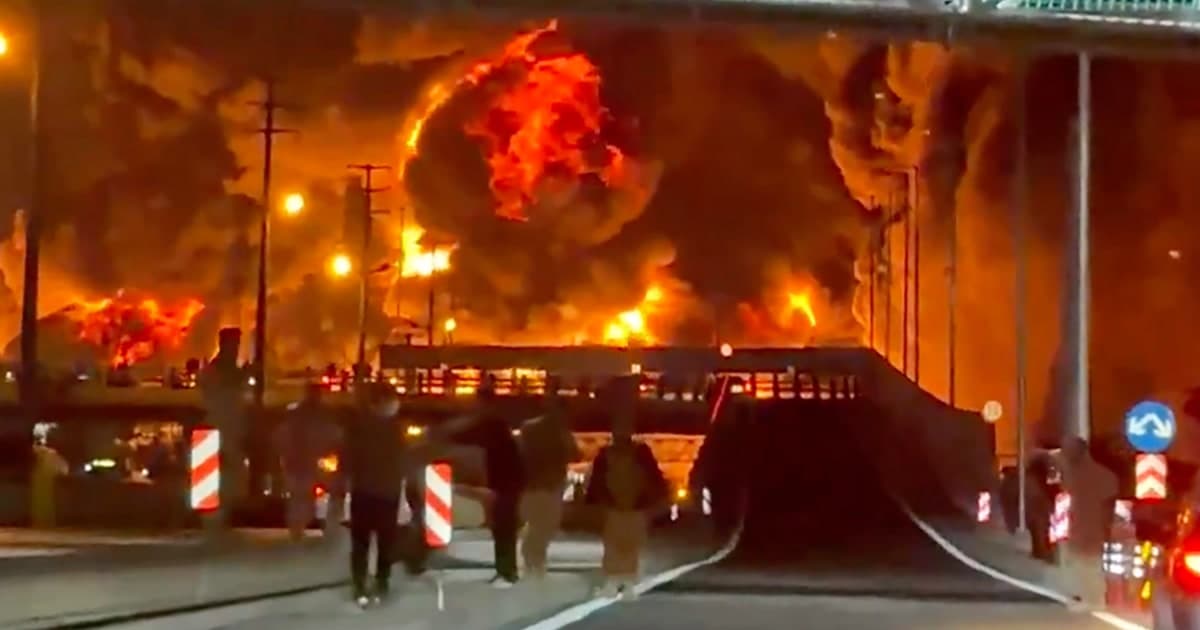
The appointment comes amid an intense regional war and a wave of military activity and economic disruption that several outlets tied to Iran and the IRGC’s operations.
“Critics — particularly in Western capitals — argue that the appointment risks entrenching hardline dominance in Tehran and could hinder prospects for de‑escalation with the United States and its allies”
The Associated Press reported that "Since the war began, Iran and the IRGC have launched missiles and drones at Israel, U.S. bases and Gulf Arab states, increasingly targeting regional energy and water infrastructure."
AP noted incidents that disrupted tanker traffic and helped "drive Brent crude above $114 a barrel."
The Wall Street Journal analysis warned of broader "regional and diplomatic consequences" and increased posturing.
NBC News recorded that "The Israel Defense Forces warned that any successor to the deceased ayatollah would be a target."
The New York Times coverage stressed the supreme leader’s influence over "foreign policy [and] military affairs," situating the succession in that operational context.
Succession reaction and framing
Reports highlighted domestic reaction and the succession process unevenly.
The Associated Press said the choice "drew some domestic criticism for appearing hereditary, but the Assembly and Iran’s security establishment backed him as someone who will prosecute the conflict."
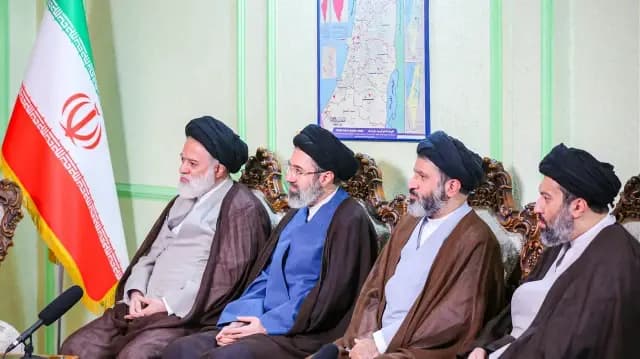
Türkgün and Assembly members conveyed a "reported broad consensus within the body" and said an "official introduction will take place soon."
The Wall Street Journal described the choice as a consolidation that could "strengthen the Supreme Leader’s inner circle and could reduce influence of rival factions."
The New York Times described the office’s long-standing role in "the suppression of dissent," underscoring concerns about how internal opposition may be handled under the new leader.
Concerns over Iran leadership
Analysts and international officials quoted in coverage warned of potential policy continuity toward a harder line and raised specific worries about Iran’s nuclear trajectory and regional posture under Mojtaba Khamenei.
The Associated Press reported that analysts and officials voiced concern that Mojtaba Khamenei could pursue an even more hard-line course, raising fears about Iran’s remaining enriched uranium and the future of the nuclear program.

The Wall Street Journal’s interpretive summary listed policy continuity and the risk of complicating negotiations as likely outcomes.
AP’s reporting on energy markets linked the leadership change to immediate economic effects such as higher oil prices.
The New York Times framed the leader’s broad powers as placing those strategic concerns squarely within the remit of the new supreme leader.
Key Takeaways
- Mojtaba Khamenei, son of slain Ayatollah Ali Khamenei, was selected to succeed him.
- Mojtaba Khamenei is a hard-line cleric whose appointment critics say undermines de‑escalation.
- Selection occurred amid Middle East war that sent oil prices past $100 a barrel.
More on Iran
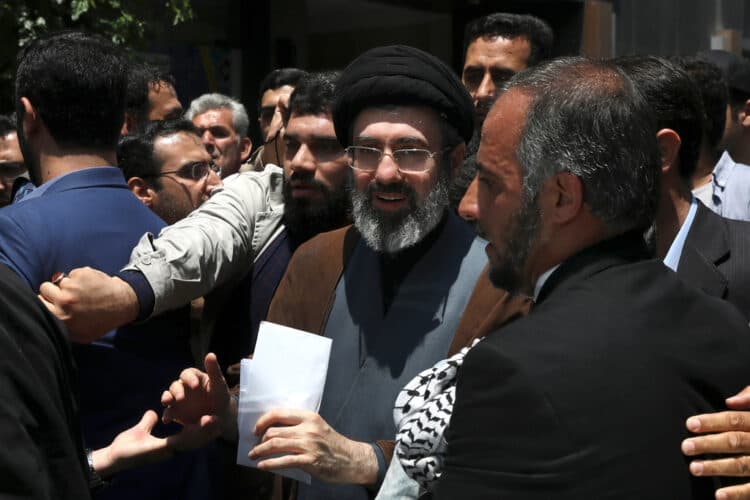
Iran Names Mojtaba Khamenei Supreme Leader After Father's Killing Sparks War
18 sources compared
Iran Names Mojtaba Khamenei Supreme Leader, Hard-Liner Succeeds Ali Khamenei
21 sources compared
Iran Names Mojtaba Khamenei Supreme Leader After US, Israel Strike Kills Ali Khamenei
31 sources compared

Iran Names Mojtaba Khamenei Supreme Leader
24 sources compared