
Australia bans Iranian tourist visa holders from re-entry for six months.
Key Takeaways
- Six-month ban applies to Iranian visitors outside Australia with tourist/visitor visas.
- Policy change implemented under Home Affairs Minister Tony Burke amid Middle East tensions.
- Some affected Iranians may qualify for entry under special consideration.
Travel Ban Overview
The Australian government has implemented a six-month ban preventing Iranian tourist visa holders from re-entering the country.
“Iranian tourists will be banned from entering Australia for the next six months as the visa policy is amended amid ongoing tensions between the U”
The ban affects approximately 7,200 Iranians with valid tourist visas.
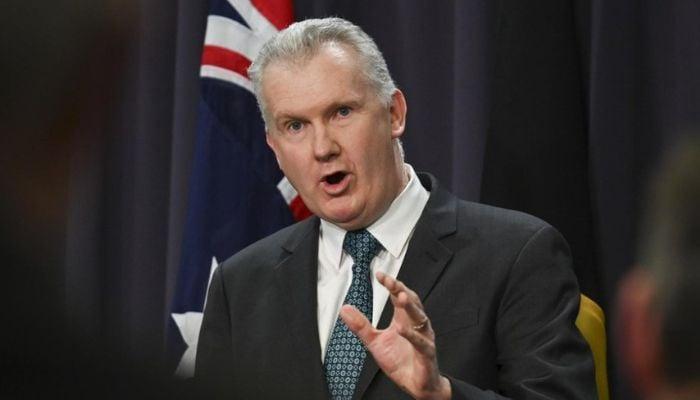
Home Affairs Minister Tony Burke triggered tough new immigration laws to enact this restriction.
The government cites concerns that visitors may not be able to return to Iran amid rapidly changing global conditions.
The restriction applies to people with valid tourist visas (subclass 600) currently outside Australia.
Some exceptions will be made for specific family relationships.
The ban represents a significant shift in Australia's immigration policy toward Iranian nationals.
Government Justification
The Australian government argues the ban is necessary to maintain the integrity of the nation's migration system.
The government claims the measures are in the national interest amid heightened geopolitical uncertainty.

Home Affairs Minister Tony Burke stated many visas were issued before the conflict in Iran and "may not have been issued if they were applied for now."
Burke emphasized that permanent residency decisions should be deliberate rather than accidental consequences of holiday travel.
The government warns the war against Iran has increased the risk that temporary visa holders may be unable to depart Australia.
The measures provide time for thorough case assessment of individual circumstances.
Officials maintain the policy includes "flexibility in limited cases" and allows for permitted travel certificates.
Impact on Visa Holders
The travel restrictions will significantly disrupt the lives of Iranian nationals with valid tourist visas.
“Iranian tourists will be banned from entering Australia for the next six months after the home affairs minister, Tony Burke, triggered tough new immigration laws over concerns visitors may not be able to return to Iran”
People planning to visit Australia or already traveling when the policy was announced are affected.
Visa holders typically allowed to remain in Australia for up to 12 months now face uncertainty about returning.
The ban creates hardships for families separated by the policy.
Only narrow exceptions are permitted for specific family relationships with Australian citizens or residents.
Iranian communities in Australia have expressed disappointment and concern about the sudden restrictions.
Communities fear the policy could lead to long-term family separation and undermine trust in Australia's immigration system.
Criticism and Reactions
The ban has drawn sharp criticism from refugee and humanitarian advocacy groups.
Critics condemn the policy as both unfair and discriminatory.

Nos Hosseini of the Iranian Women's Association called the decision "disappointing but not a surprise."
The decision follows the government's rapid passage of the contentious legislation.
Humanitarian advocates argue the measure unfairly targets individuals who followed visa rules.
The policy potentially punishes people for circumstances beyond their control.
Critics contend the ban risks undermining confidence in Australia's migration system.
The swift implementation raises questions about sufficient consideration of human impact.
Temporary Framework
The Australian government emphasizes the ban is intended as a temporary measure.
“Australia has temporarily banned visitors from Iran, claiming that the United States-Israeli war on the country has increased the risk that Iranian passport holders could refuse or be unable to fly home once their short-term visitor visas expire”
The restriction will remain in place for six months before reassessment.

After six months, the government must decide whether to extend the policy.
Officials are closely monitoring the situation and may adjust policies based on regional developments.
The government is particularly watching the evolving geopolitical climate related to Iran.
Home Affairs Minister Tony Burke stated the government "will adjust settings as required."
The temporary framework allows for potential policy modification during global instability.
More on Iran

Pentagon orders 1,000 82nd Airborne troops to West Asia amid Kharg Island seizure talks
13 sources compared

U.S. Prepares to Deploy 1,000 82nd Airborne to West Asia to Seize Airfields
17 sources compared

Pentagon deploys 3,000 82nd Airborne troops to West Asia to backstop Iran war operations
14 sources compared

US, Israel escalate West Asia strikes as US demands Iran roll back nuclear program
12 sources compared