
US, Israel escalate West Asia strikes as US demands Iran roll back nuclear program
Key Takeaways
- Iran rejected the U.S. 15-point ceasefire plan and demanded its own terms.
- The proposal included sanctions relief, limits on Iran's nuclear program, and Hormuz shipping guarantees.
- Iran launched more attacks on Israel and Gulf Arab countries amid the rejection.
Escalation and troop deployment
West Asia has seen intensified bombardment as the United States and Israel broaden strikes across the region, while Washington moves thousands of troops toward the area, including about 1,000 from the 82nd Airborne Division.
“Iran rejects US ceasefire plan, issues its own demands as strikes land across the Mideast Iran rejects US ceasefire plan, issues its own demands as strikes land across the Mideast DUBAI, United Arab Emirates (AP) — Iran on Wednesday dismissed an American plan to pause the war in the Middle East and launched more attacks on Israel and Gulf Arab countries, including strikes that hit a fuel tank at Kuwait International Airport, sparking a fire”
The Pentagon is also sending about 5,000 more Marines trained in amphibious assaults and thousands of sailors to the region.

Analysts describe this as escalation rather than a pause in the fighting.
Ceasefire plan and Iran’s rejection
Pakistan- and Egypt-brokered reporting on a US-backed 15-point ceasefire plan describes a package that would address sanctions relief, a rollback of Iran’s nuclear program, limits on missiles, and reopening the Strait of Hormuz.
Iran has rejected the proposal and offered its own terms as part of the diplomatic push.

The arrangement has sparked ongoing diplomatic maneuvering even as fighting continues.
Iranian stance and diplomacy
Iran has long said it will not discuss its ballistic missile program or its regional militias, and state actors have publicly mocked Washington’s push.
Some Iranian officials and media have suggested that talks are unlikely, while others point to ongoing mediation that could shape future exchanges.
Casualties and displacement
Casualties and displacement have mounted across the region, with reports of thousands killed and many more displaced as fighting persists.
New tallies from multiple outlets show substantial tolls on both sides and across civilian populations in West Asia.

Oil, shipping, and markets
The broader economic and strategic stakes are sharpening as shipping routes and energy markets respond to the heightened conflict.
“LiveNow US President Donald Trump sent a peace plan to Iran, expressing confidence about ending nearly a month-long war”
Market observers note that disruptions and prospective controls over key passages, notably the Strait of Hormuz, are driving oil prices higher and prompting policymakers to consider what concessions or de-escalation steps could unlock calmer markets.

More on Iran
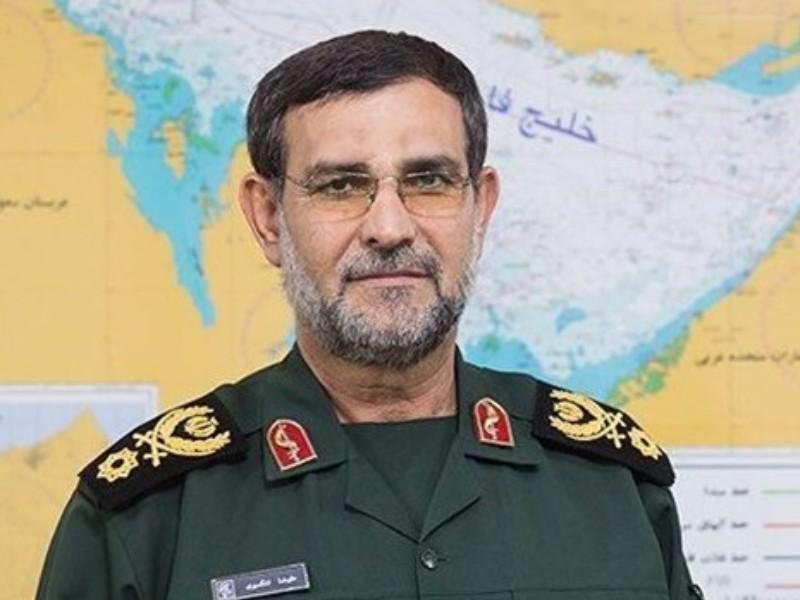
Israel says it killed IRGC Navy commander Alireza Tangsiri in Bandar Abbas to reopen Hormuz
27 sources compared

Pentagon orders 1,000 82nd Airborne troops to West Asia amid Kharg Island seizure talks
13 sources compared

U.S. Prepares to Deploy 1,000 82nd Airborne to West Asia to Seize Airfields
17 sources compared
Israel Intensifies West Asia Offensive, Bombs Southern Lebanon and Triggers Renewed Ceasefire Talks
21 sources compared