
Israel Intensifies West Asia Offensive, Bombs Southern Lebanon and Triggers Renewed Ceasefire Talks
Key Takeaways
- Trump urges Iran to get serious in negotiations to end the war.
- Israel says it killed IRGC Navy commander linked to Strait of Hormuz blockade.
- Ceasefire push falters as U.S. and Iran harden positions.
Offensive escalation in West Asia
Israel's West Asia offensive has intensified, triggering renewed ceasefire talks as the region endures ongoing strikes and conflicting signals about diplomacy.
“Live updates: Trump tells Iran to ‘get serious soon’ on negotiations after Tehran dismisses ceasefire plan Major developments we’re following: - U”
An attack in southern Tehran killed at least 12 people and injured 28, while Iran and Hezbollah launched a new wave of missile strikes toward Tel Aviv and northern Israel, leaving casualties on both sides.
Israel also stepped up bombing in southern Lebanon, with at least 33 people reported killed in the past day.
The flare-up drew broader economic repercussions, with QatarEnergy declaring force majeure on LNG contracts with multiple buyers.
Trump pressure and diplomacy efforts
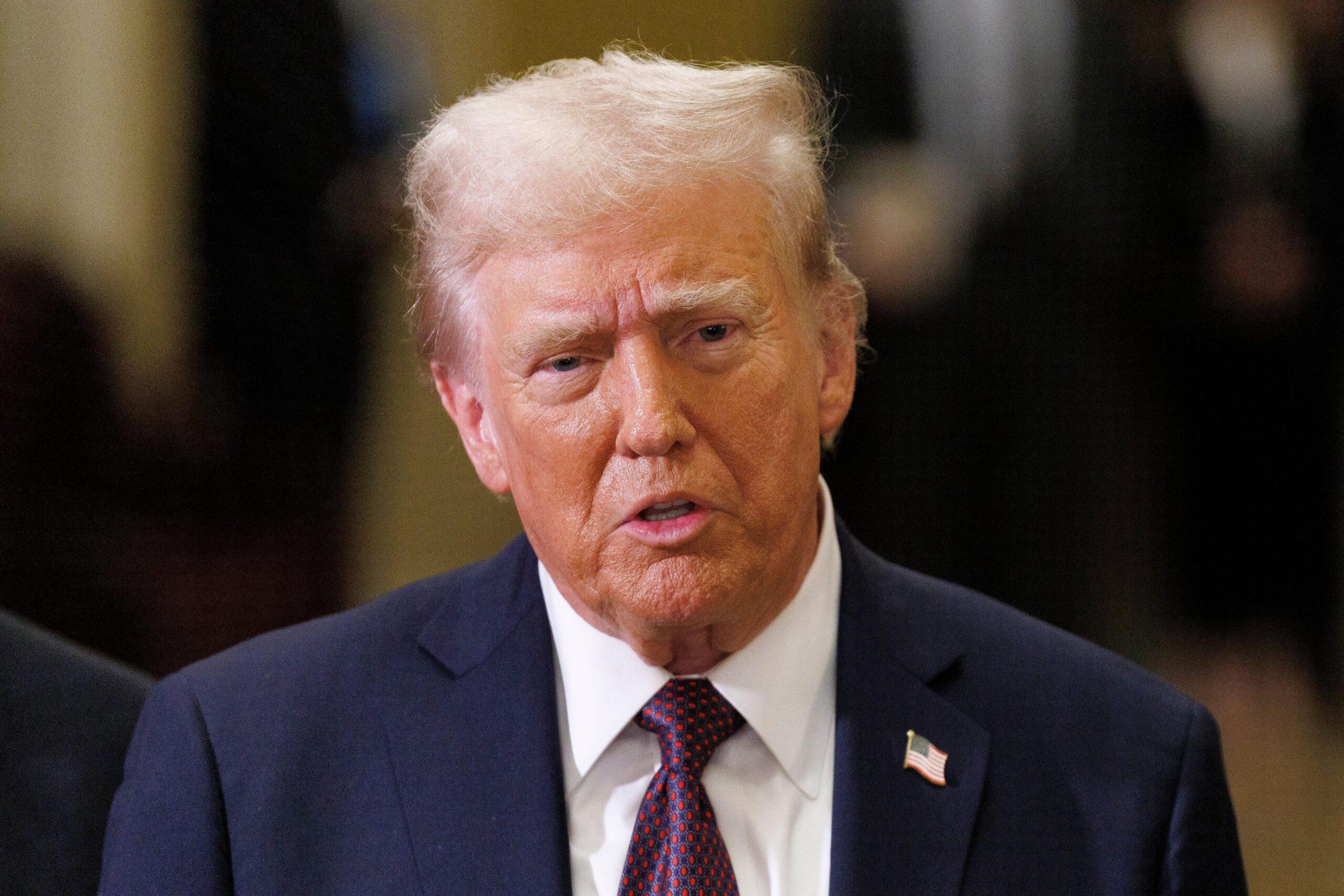
Trump has pressed Tehran to get serious in negotiations, framing the U.S. push as time-sensitive and warning of consequences if no deal is reached.
U.S. mediators—Pakistan, Egypt, and Turkey—are reportedly seeking a high-level meeting this week to discuss a proposed end to the war.

Iran’s state media reported that Tehran rejected the Trump administration’s 15-point plan, calling some terms 'excessive' while saying messages are being conveyed through friendly states rather than direct negotiations.
White House officials say talks remain productive, with indirect channels continuing even as the U.S. maintains military pressure.
Trump himself posted on Truth Social that Iranian negotiators were 'begging' for a deal but that Iran needs to 'get serious soon' or face consequences.
Mediation push and venues
Pakistan has emerged as a key interlocutor between the US and Iran, with Islamabad signaling readiness to host meaningful discussions.
Reports note that Islamabad is being discussed as a potential venue for face-to-face talks, with Prime Minister Shehbaz Sharif publicly backing mediation and Pakistan’s leadership engaging in backchannel diplomacy.
The New York Times has reported that Pakistan delivered a 15-point US peace plan to Iran, which Tehran has rejected, fueling speculation about an Islamabad-hosted summit.
Media outlets in South Asia also describe backchannel diplomacy involving Egypt and Turkey, while Washington has publicly downplayed formal Islamabad-hosted talks as a definite arrangement.
Casualties, straits, and risks
Israel reported the killing of Iran's IRGC Navy chief, a major escalation in the naval dimension of the war.
Iran has warned that ground warfare would be dangerous for the enemy, while observers discuss Kharg Island as a potential flashpoint for any intervention.
The death toll across West Asia continues to mount, with thousands killed in Iran and Lebanon and U.S. service members among those casualties.
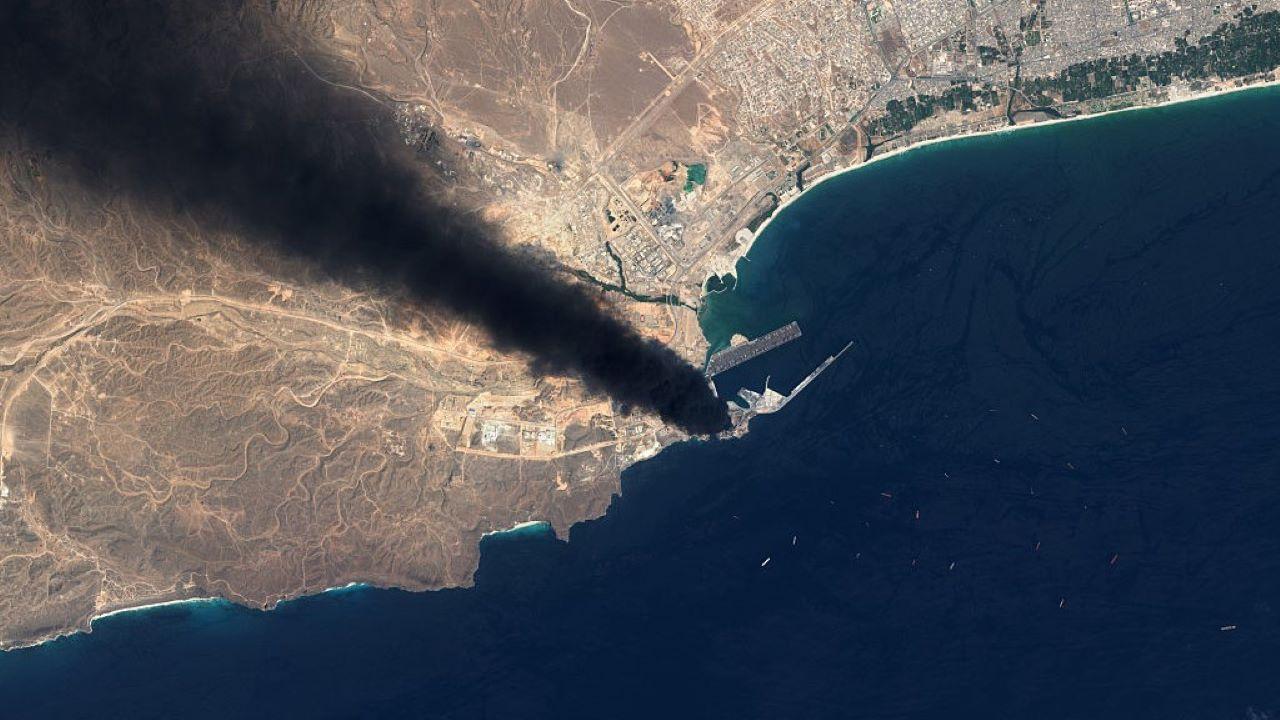
GCC officials have accused Iran of charging ships to pass through the Strait of Hormuz, complicating shipping in a critical energy corridor.
Environmental analyses warn of long-term damage from burning depots and wreckage around the region.
Narratives, context, and sources
Across a range of outlets, the framing of de-escalation efforts and diplomatic backchannels reveals divergent narratives about who is driving the talks and what a settlement would require.
“Published on By United States President Donald Trump has issued a stern warning to Iran, urging its leaders to urgently engage in negotiations aimed at ending the ongoing Middle East conflict”
Western coverage highlights Trump’s threats to unleash further force if Tehran does not concede, while West Asian media emphasizes Iran’s demand for sanctions relief, security guarantees, and a reopening of the Strait of Hormuz as prerequisites.
Several outlets note Pakistan’s possible mediating role, while Tehran and its allies push back against perceived coercion and stress that talks should proceed through preferred channels.
The overall reporting landscape shows both pressure for a ceasefire and concern about whether durable terms can be achieved given the asymmetries and ongoing hostilities.
More on Iran

US and Israel Launched War; Americans Demand They Halt Escalation as Gas Fears Rise
15 sources compared

U.S. Demands Iran Dismantle Nuclear Program, Halt Enrichment, Cap Missiles, End Proxy Funding
16 sources compared
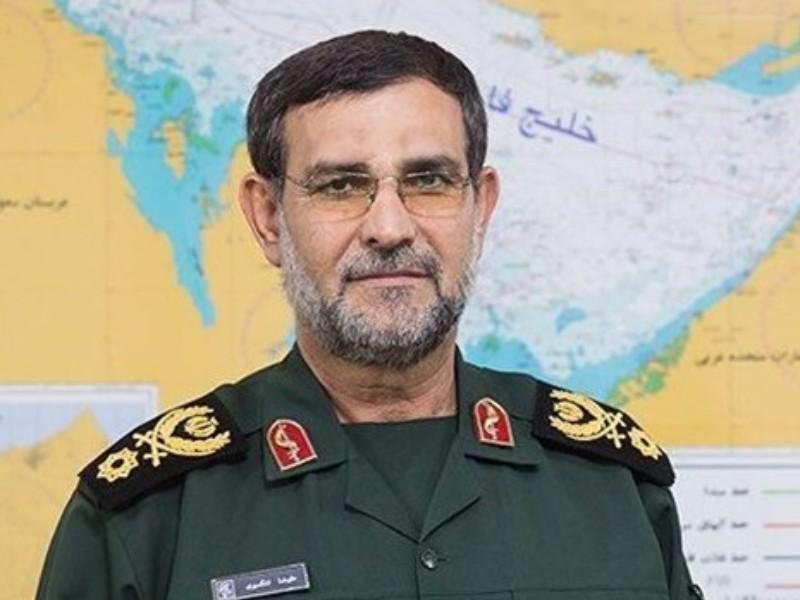
Israel says it killed IRGC Navy commander Alireza Tangsiri in Bandar Abbas to reopen Hormuz
27 sources compared

Pentagon orders 1,000 82nd Airborne troops to West Asia amid Kharg Island seizure talks
13 sources compared