
Australia Grants Asylum to Two More Iranian Women's Soccer Team Members
Key Takeaways
- Australia granted humanitarian visas to five players, then two more were later granted asylum.
- Protesters blocked a bus and tried to stop the team leaving their Gold Coast hotel.
- Home Affairs Minister Tony Burke confirmed visas and officials relocated players to secure, undisclosed locations.
Asylum granted and reunion
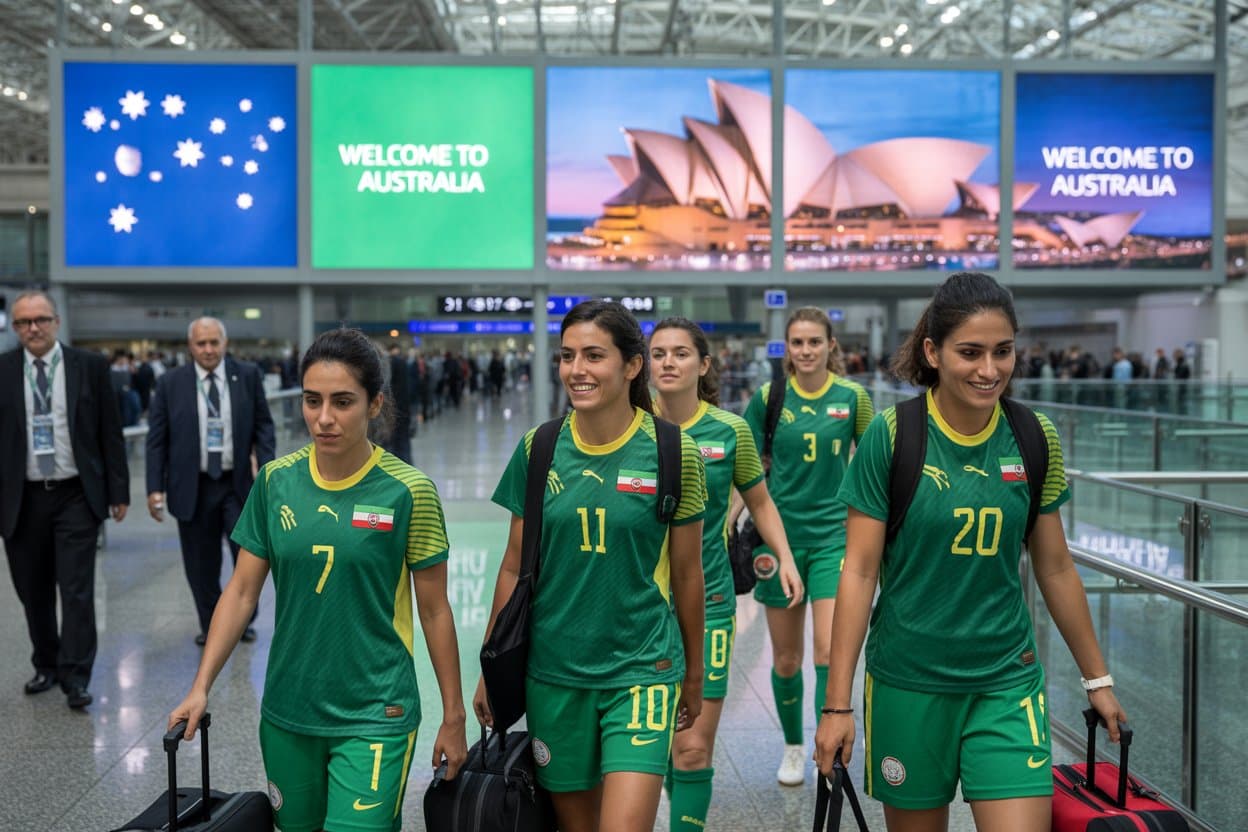
Australia granted asylum to two additional members of the Iranian women’s soccer team, officials said, and those two were reunited with five teammates who had received humanitarian visas a day earlier after a days-long operation that involved federal police and other agencies.
“Two more members of the Iranian women's soccer team were granted asylum in Australia before their teammates departed, the country's Home Affairs Minister Tony Burke said Wednesday”
Australian Home Affairs Minister Tony Burke confirmed the two further grants and said the pair rejoined five players who had been given visas the night before, part of an effort that Australian leaders described as providing safety and a home.
Media accounts tied the asylum decisions to a sensitive, tightly managed response by authorities amid intense public attention and diplomatic pressure.
Operation and protections
Australian officials and police managed the extraction and visa process with close protections: as the women passed through security they were taken aside individually by Australian officials and interpreters and later moved to a safe location under police protection while visas were processed.
Home Affairs Minister Tony Burke said offers of asylum were made without minders present and that authorities ensured there was no rushing or pressure, while officials described moving the players to a safe house and finalising paperwork late at night.

Reasons for seeking asylum
Officials and media linked the asylum requests to fears the players faced if they returned to Iran: the team had attracted attention after some players declined to sing the national anthem at a match, and the broader context included a violent crackdown on protests and the death of a teammate.
“Protesters have briefly blocked a bus taking the Iranian women's football team out of their Gold Coast hotel”
Reports cited concerns that players could face persecution over anthem-related actions, and some commentators and political figures publicly warned for their safety — with one post quoted saying they would "most likely be killed" if forced to return.
Political reactions
Australian political leaders publicly framed the decision as humanitarian: Prime Minister Anthony Albanese said Australians had been moved by the players' plight and noted that they were safe in Australia, while Home Affairs Minister Tony Burke described the government's efforts and posted photos with the women as visas were finalised.
U.S. political figures also weighed in: media cited public urging from Donald Trump and an offer of U.S. protection if Australia did not act, and Albanese spoke with him by phone as officials coordinated the response.

Uncertainties and departures
Key details remained unclear and contested: reports differed on how many delegation members sought help, the exact mechanics of the women's departure, and the fate of those who left Australia.
“They have all been granted asylum in Australia”
Officials said it was not clear exactly how many people were in the delegation though an official squad list named 26 players, some protesters tried to block the team at hotels and the airport, and the government noted some individuals were not offered asylum because of alleged links to Iran's paramilitary forces.

More on Australia
Australia Grants Asylum to Seven Iranian Women's Football Team Members
22 sources compared
Police Charge Two Men With Kidnapping, Torturing and Murdering 85-Year-Old Pensioner in Mistaken Identity Case
14 sources compared
Australian PM Albanese Refuses to Repatriate 34 Women and Children Linked to IS — Reports Conflict on Whether They Left or Were Sent Back to Roj Camp
33 sources compared

Australia Bars Citizen Returning From Roj Camp, Issues Temporary Exclusion Order Citing Security Advice
14 sources compared