
Australia Halves Fuel Tax to Curb Prices as Oil Surges Above $116
Key Takeaways
- Australia halves fuel excise for three months to ease petrol and diesel prices.
- Fuel excise cut by 26.3 cents per litre.
- Move follows crude above $116 due to Iran war.
Tax Cut Amid Oil Surge
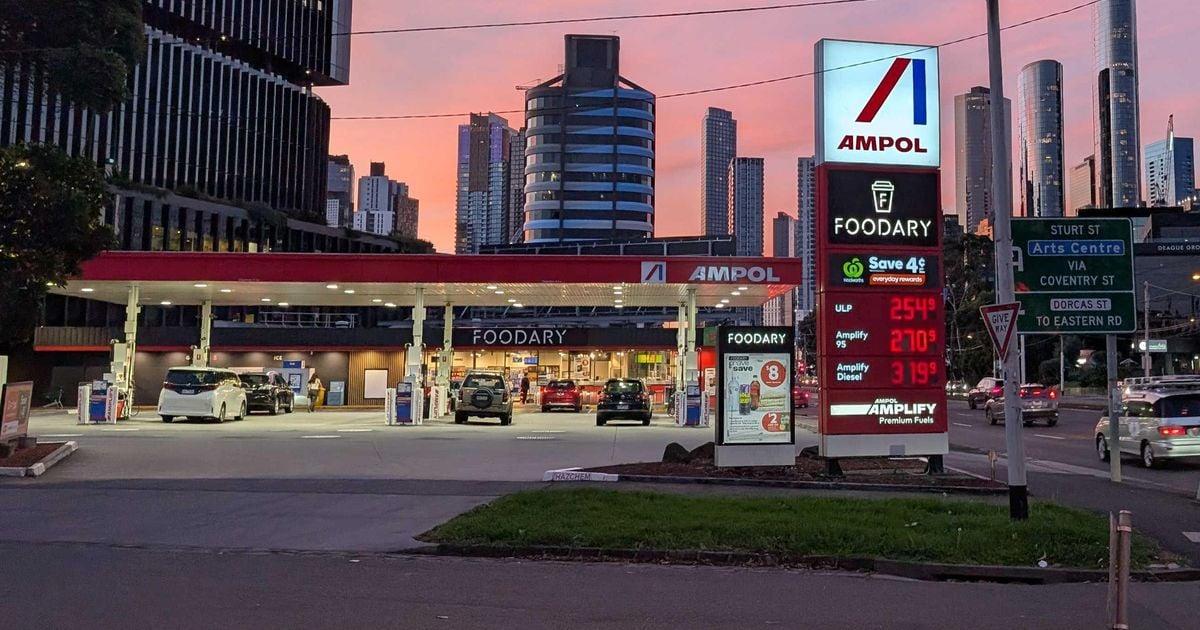
Australia's government announced a three-month halving of the fuel excise tax.
“Australia’s government will slash petrol and diesel taxes by half amid a surge in fuel prices prompted by the US-Israel war on Iran”
Prime Minister Albanese said the move would save motorists nearly $19 on a 65-litre tank.

Average prices rose 10 percent for diesel and 8 percent for petrol in the week to March 25.
Heavy Vehicle Charge Suspended
The government suspended the heavy vehicle road user charge for three months.
The tax cut is estimated to cost the budget A$2.55 billion.
Opposition Leader Scott Morrison criticized the move as a short-term political fix.
Experts Warn of Inflation Risks
Economists warned the fiscal move collides with the Reserve Bank's tightening cycle.
“Damion Smy Record fuel prices spark gouging probe as government threatens crackdown 59 Minutes Ago The Australian federal government will halve the current fuel excise for at least three months as part of a national fuel security plan, following a cabinet meeting in Canberra this morning”
The RBA views broad-based stimulus as counterproductive when inflation remains sticky.
Opposition Calls for Long-Term Plan
Opposition Leader Morrison criticized the excise cuts as a political fix.
Market analysts say elevated crude prices could limit retail pass-through.
More on Finance

Attorney General Nick Brown Sues Kalshi To Shut Down Washington Operations, Compel User Disclosures
14 sources compared

SK hynix Confidentially Files For U.S. ADR Listing To Raise Up To $14 Billion
10 sources compared
CRFB Proposes Cap on Social Security to Slow Trust Fund Insolvency: $100,000 Couples, $50,000 Individuals
15 sources compared

American Senators File Bill to Ban Sports Betting on Polymarket and Kalshi
42 sources compared