
American Senators File Bill to Ban Sports Betting on Polymarket and Kalshi
Key Takeaways
- Bipartisan bill would ban sports and casino-style contracts on Kalshi and Polymarket.
- The proposal targets CFTC-registered platforms from listing sports contracts, aiming to curb insider trading concerns.
- Supporters call it the first bipartisan Senate effort; passage is uncertain.
Bipartisan Legislative Action
US Senators Adam Schiff (D-CA) and John Curtis (R-UT) have introduced bipartisan legislation known as the 'Prediction Markets Are Gambling Act' that would prohibit CFTC-regulated entities from listing contracts related to sporting events or casino-style games.
The bill specifically targets prediction market platforms like Kalshi and Polymarket, which have grown rapidly by offering sports betting contracts under the guise of financial derivatives rather than gambling products.
Schiff argued that 'sports prediction contracts are sports bets—just with a different name' and that they violate state and federal gambling laws by being offered in all fifty states without proper licensing or consumer protections.
Curtis emphasized the need to clarify jurisdiction, stating the legislation is about 'respecting states' authority, protecting families, and keeping speculative financial products out of spaces where they don't belong.'
Federal vs State Jurisdiction
The legislation reflects a growing regulatory battle between federal oversight by the Commodity Futures Trading Commission (CFTC) and state gambling authorities.
Prediction markets have operated under CFTC jurisdiction as 'designated contract markets' rather than traditional gambling operations, allowing them to bypass state licensing requirements, tax obligations, and consumer protections.
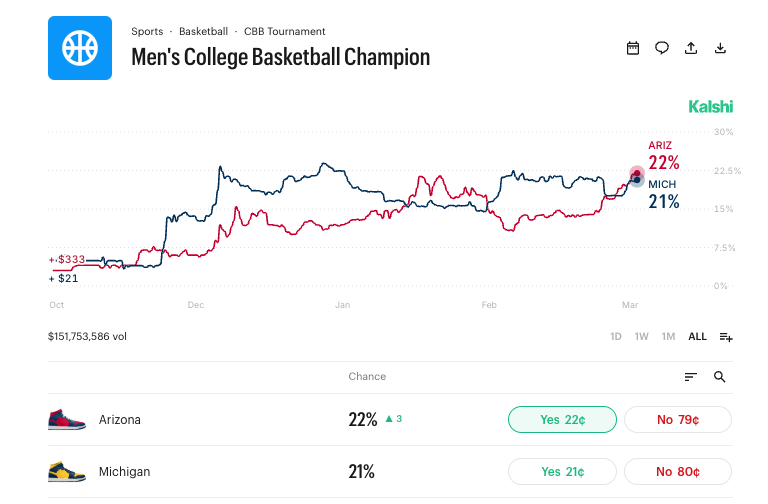
This has created significant tension with state regulators who argue these platforms are essentially offering illegal sports betting under a different technical name.
The CFTC, under chairman Michael Selig, has asserted 'exclusive jurisdiction' over these markets and has even filed court briefs defending this position, though states continue to challenge this authority in courts across the country.
The Trump administration has shown support for these platforms, with President Trump's son Donald Trump Jr. having invested in Polymarket and serving as a strategic advisor to Kalshi, creating potential conflicts of interest as regulatory decisions could benefit the president's family.
Economic Impact and Industry Response
The sports betting industry has become a major revenue driver for prediction market platforms, with sports-related contracts accounting for 47.7% of Polymarket's weekly notional volume and 78.8% for Kalshi according to Dune data.
“Schiff told the WSJ that the CFTC is effectively “greenlighting” these prediction markets, even “promoting their growth” and that Congress must eliminate the “backdoor” into gambling which violates consumer protections”
Sports betting generated $1.2 billion in weekly notional trading volume for Polymarket and $2.6 billion for Kalshi, making this a significant business line that the legislation would directly impact.
Traditional sports betting companies like DraftKings and FanDuel would likely benefit from this legislation as it would eliminate a major competitor, with DraftKings stock rising 7.2% and Flutter Entertainment (FanDuel's parent company) gaining 9.4% following the news.
Kalshi has responded by arguing that the bill is 'motivated by casino interests that are threatened by competition' and that banning sports on regulated prediction markets would 'just push this behavior offshore, where no regulation exists.'
The company maintains that their 'sports trading on regulated prediction markets offer a fairer choice to consumers, with no house that restricts winners and hooks people the more they lose.'
Youth Exposure and Addiction Concerns
Lawmakers have expressed particular concern about youth exposure to gambling through prediction market platforms, with Curtis specifically noting that 'too many young people in Utah are getting exposed to addictive sports betting and casino-style gaming contracts that belong under state control, not under federal regulators.'
Research from the University of California San Diego's Qualcomm Institute and School of Medicine found that when online sportsbooks became available, searches for help with gambling addiction increased by 61% and have continued growing since.

This raises questions about whether prediction markets, which often have fewer age restrictions and event limitations than traditional sportsbooks, could exacerbate gambling addiction problems.
The legislation aims to address these concerns by bringing sports-related betting under the same regulatory frameworks as traditional gambling, which typically include age verification, responsible gambling tools, and addiction prevention measures that the federally regulated prediction markets currently lack.
Legal Challenges and Integrity Measures
The prediction market platforms have faced increasing legal challenges from states seeking to enforce their gambling laws.
“Meanwhile, decentralized sport betting platforms have also become a popular venue among traders”
Arizona became the first state to file criminal charges against Kalshi, accusing the company of operating an illegal gambling business.

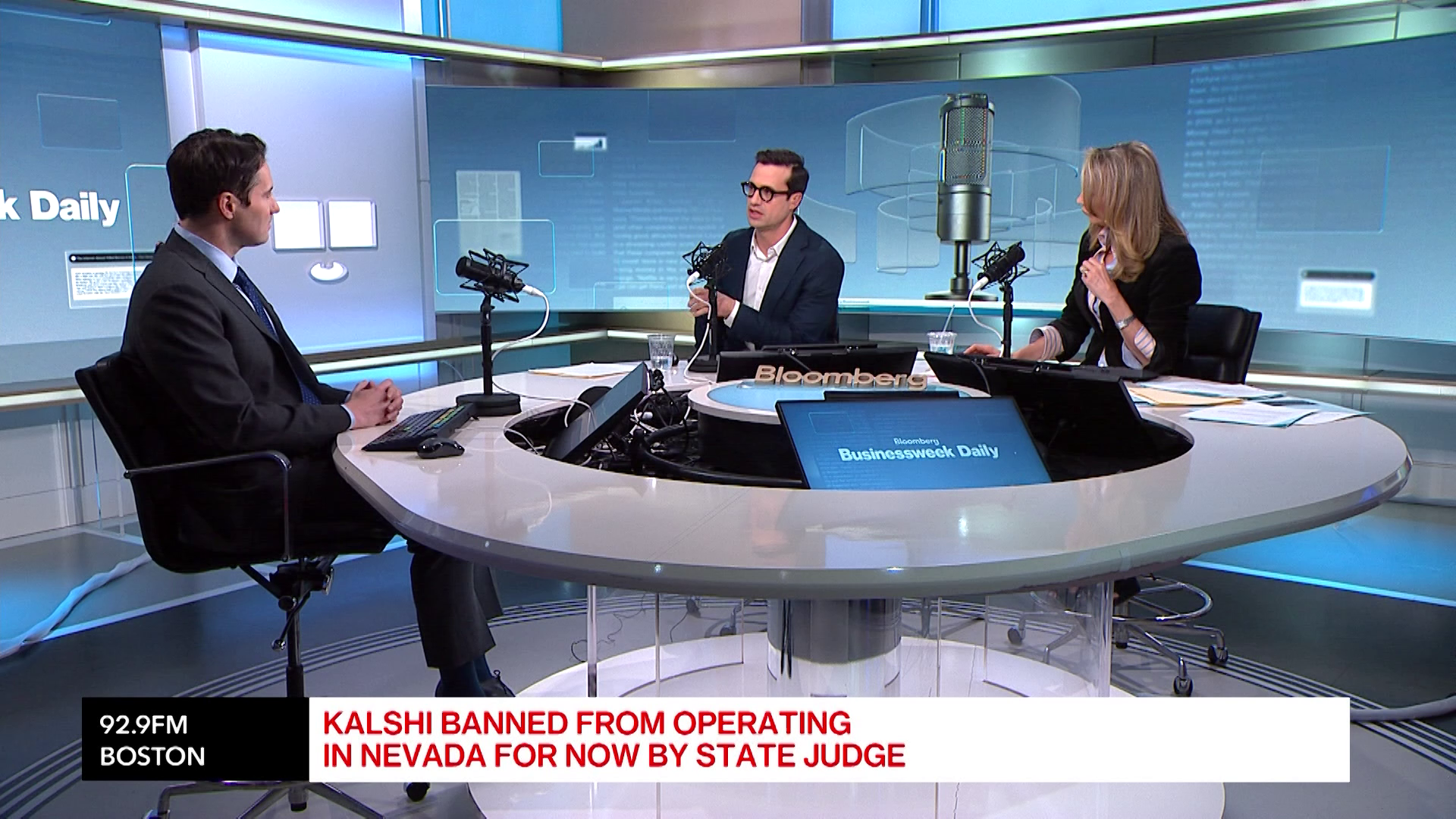
Nevada secured a temporary restraining order preventing Kalshi from offering contracts on sports, elections and entertainment events, and has since been joined by other states in legal challenges.
The platforms have responded by suing several states, arguing that federal law preempts state regulations on these types of financial contracts.
In response to the mounting regulatory pressure, both Kalshi and Polymarket have announced new integrity measures.
Kalshi said it would ban political candidates from trading on their own campaigns and would block college and professional athletes from betting on markets related to their sports.
Polymarket updated its rules to prohibit trading on events where users might possess confidential information or could influence the outcome, addressing concerns about insider trading that have plagued the industry.
Broader Regulatory Context
The bill represents one of multiple legislative efforts targeting prediction markets, which have grown from niche financial instruments to mainstream platforms with billions in trading volume.
Schiff previously introduced the 'DEATH BETS Act' targeting contracts related to war, terrorism, and assassination, while other lawmakers have proposed restrictions on insider trading and participation by government officials.
The prediction market industry has grown rapidly since the 2018 Supreme Court decision that allowed states to legalize sports betting, with total sports wagers growing from $4.9 billion in 2017 to $121.1 billion in 2023.
This legislative push comes as professional sports leagues have had mixed responses to prediction markets, with MLB signing a licensing agreement with Polymarket while other leagues remain concerned about potential game manipulation and insider trading risks.
The outcome of this regulatory battle could significantly shape the future of both prediction markets and the broader online gambling industry in the United States.
More on Finance

President Donald Trump Threatens to Obliterate Iran's Power Plants as Oil Prices Rise
12 sources compared

Jury Rules Elon Musk Misled Twitter Investors in $44B Acquisition Case
20 sources compared
Judge Jason Woodbury Blocks Kalshi From Operating in Nevada
24 sources compared

Coinbase Launches Stock Perpetual Futures for Non-U.S. Users
12 sources compared