Finance20 March, 20264 min read
Jury Rules Elon Musk Misled Twitter Investors in $44B Acquisition Case
Jury finds Musk misled Twitter investors ahead of the acquisition. Verdict: statements about bots intentionally misled investors.

Verdict Overview
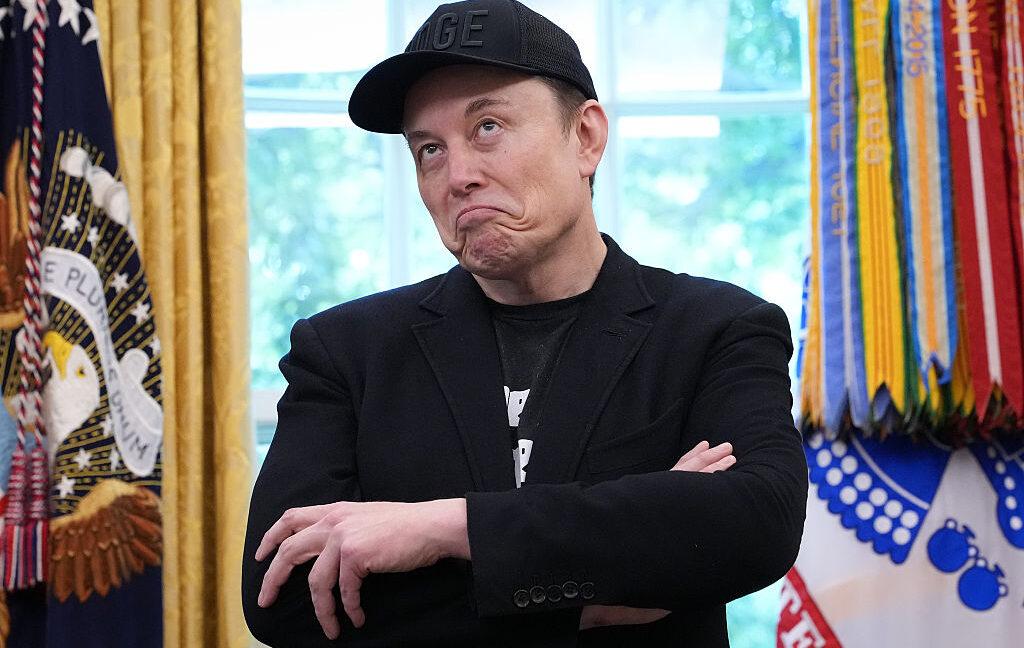
A California civil jury ruled on Friday, March 20, 2026, that Elon Musk intentionally misled Twitter shareholders during his tumultuous $44 billion acquisition of the social media platform in 2022. The nine-person jury unanimously found Musk liable for making false and misleading statements that artificially drove down Twitter's stock price, causing investors to sell shares at values below the final $54.20 per share acquisition price. However, the jury rejected broader fraud allegations, finding that Musk did not engage in a coordinated scheme to defraud shareholders.
“A civil jury in California on Friday ruled that Elon Musk intentionally misled Twitter investors when he tried to back out of his $44 billion acquisition of the platform in 2022.”
The verdict came after a three-week trial where Musk testified about his concerns regarding Twitter's bot problem, which he claimed represented 20% of users rather than the 5% disclosed in regulatory filings. The jury deliberated for three to four days before reaching their decision, marking a rare legal defeat for the world's richest person.
 Mediaite
Stock Impact
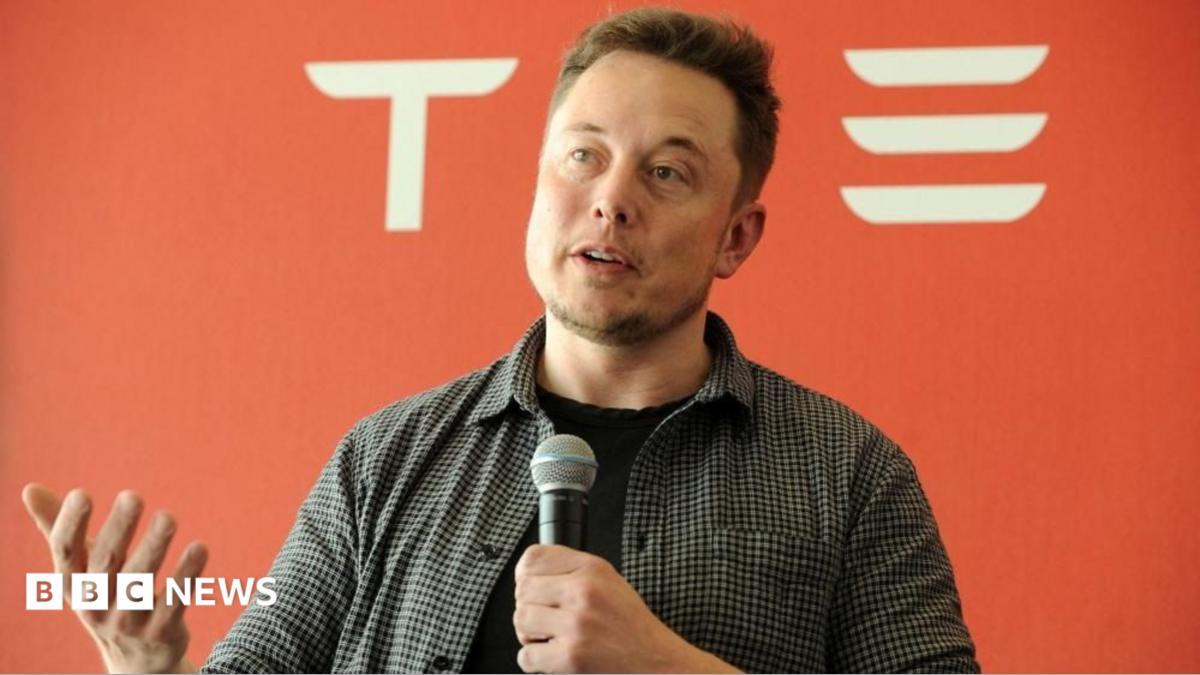
The jury specifically identified two tweets posted by Musk on May 13 and May 17, 2022, as materially false or misleading statements that caused Twitter's stock to plummet. On May 13, Musk wrote: 'Twitter deal temporarily on hold pending details supporting calculation that spam/fake accounts do indeed represent less than 5% of users.' Following this and subsequent statements, Twitter shares declined approximately 8-10% in a single session, with some sources reporting an even steeper 17% drop over two days.
The jury calculated that Musk's statements influenced the decline in Twitter's stock price by a range of roughly $3 to $8 per share between May and October 2022. This caused many investors to sell their shares at significant losses - some at about a 30% loss relative to the price Musk ultimately paid. One investor testified that he sold thousands of Twitter shares in July 2022, believing Musk would not complete the acquisition, resulting in his shares selling for less than he paid and significantly less than the final $54.20 per share.
Legal Context
The legal battle represented a significant challenge to Musk's courtroom reputation, as the billionaire has often been called 'Elon the Teflon' for his ability to emerge unscathed from lawsuits that many expected him to lose. This case followed a pattern of Musk's courtroom conflicts, including his 2023 victory in San Francisco over Tesla shareholders who accused him of deceiving them with a 2018 tweet about taking Tesla private at $420 per share. In that case, a jury exonerated Musk within hours, but the Twitter case dragged on for weeks and resulted in a different outcome.
“Musk has often chosen to battle shareholders in court rather than settle. This included a 2023 trial in San Francisco over whether he defrauded Tesla shareholders who claimed to suffer losses after he falsely claimed in 2018 to have 'funding secured' to take the electric car company private.”
The Twitter shareholders' lawsuit was filed in October 2022 by Giuseppe Pampena on behalf of other former investors who sold shares between May 13 and October 4, 2022. The civil complaint accused Musk of violating securities laws by making false statements to artificially drive down Twitter's stock price, giving him leverage to renegotiate the purchase price or back out of the deal completely. Twitter had previously sued Musk in Delaware to force him to honor the original $44 billion agreement after he attempted to withdraw.
Damages & Response
Damages in the case could reach substantial figures, with estimates ranging from $2.5 billion to $2.6 billion according to plaintiffs' attorneys.
Francis Bottini, one of the shareholders' lawyers, estimated damages could rise to about $2.5 billion, while other attorneys representing the plaintiffs cited potential damages as high as $2.6 billion according to CNBC.

The jury indicated compensation of between roughly $3 and $8 per share, per day, for affected investors during the class period.
Many of those shareholders are major institutional players, raising the stakes of the ruling far beyond individual claims.
However, the financial implications are minimal considering Musk's net worth, which is estimated at over $650 billion by Bloomberg and around $814 billion by other sources.
Musk's attorneys at Quinn Emanuel Urquhart & Sullivan called the verdict 'a bump in the road' and announced plans to appeal.
'We view today's verdict, where the jury found both for and against the plaintiffs and found no fraud scheme, as a bump in the road. And we look forward to vindication on appeal,' they stated in a joint statement.
Plaintiffs' attorneys estimate it will be about 90 days before claims administration is set up, with additional months required for processing and investors to begin recouping losses.
Broader Implications
The case has broader implications for corporate governance and social media accountability, particularly regarding the power of influential figures to move markets through their online statements. Monte Mann, a trial attorney focused on business litigation, said the verdict against Musk 'sends a clear message': 'If you move the market with your words, you own the consequences.' The case highlights the ongoing tension between Musk's free speech approach on his X platform (formerly Twitter) and legal accountability for statements that have financial consequences.
“Monte Mann, a trial attorney focused on business litigation at Armstrong Teasdale, said the verdict against Musk 'sends a clear message'. 'If you move the market with your words, you own the consequences.'”
Musk has since renamed Twitter X and folded it into his artificial intelligence company xAI, then merged it with SpaceX, his reusable rocket manufacturer. The legal proceedings come as Musk is separately in talks with the SEC to settle a January 2025 lawsuit over alleged securities violations tied to his Twitter acquisition, where the SEC alleges Musk delayed disclosing his 5%+ stake, allowing him to buy shares at artificially low prices. This case represents a significant moment in the intersection of social media influence, corporate law, and celebrity accountability in the digital age.
