Iran10 March, 20263 min read
Australian Protesters Block Bus Carrying Iran's Women's Football Team
This article is an automated aggregation of coverage from news outlets. Our editorials offer in-depth analysis curated by the NewsCord team.
Protesters blocked the team's bus leaving a Gold Coast hotel en route to the airport Australia granted asylum or humanitarian visas to five team members

Bus blockade and crowd
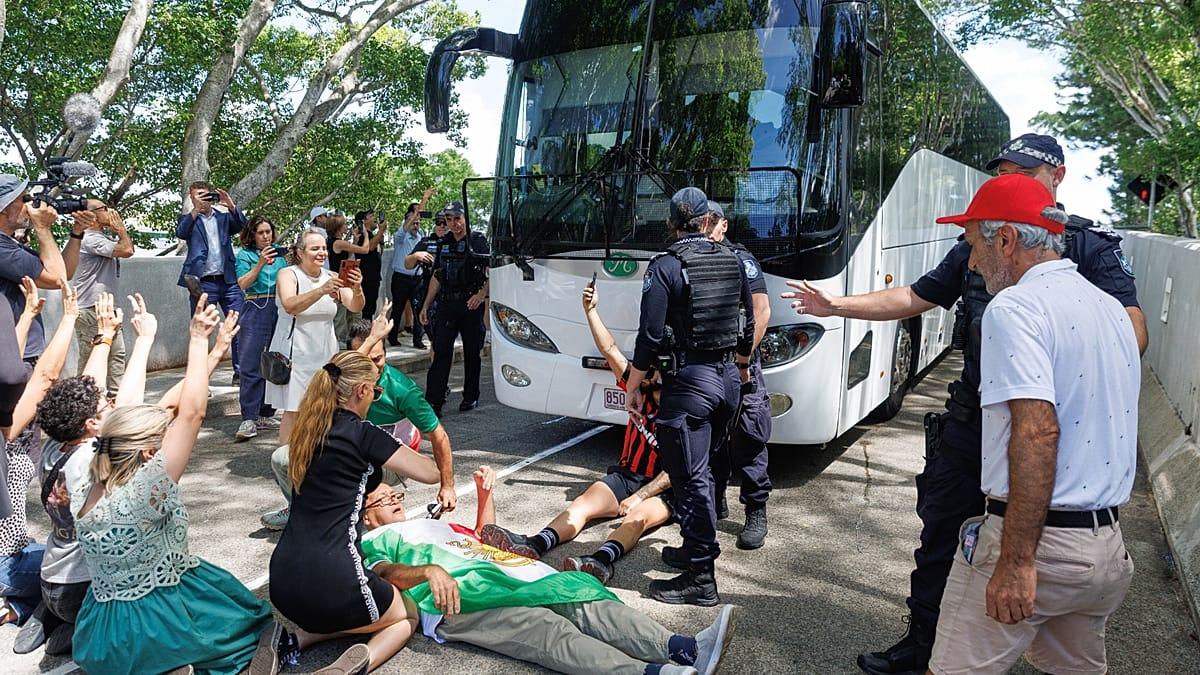
Protesters on Australia’s Gold Coast physically blocked a vehicle carrying Iran’s women’s national football team as it attempted to leave its hotel and head to the airport, with chants of “save our girls” heard at the scene. Reports vary on crowd size: The Guardian described the action as a brief blockade by “a group of a few dozen” who “chanted 'save our girls'” and saw at least one player “in tears”; Business Standard said “around 200 demonstrators surrounded the vehicle, beating drums and chanting slogans including ‘let them go’ and ‘save our girls’”; MARCA gave a smaller figure, reporting “Around 50 demonstrators, some waving the Lion and Sun flag, blocked the bus as it left the stadium on the Gold Coast on Sunday night.” Al Jazeera’s headline captured the core event as “Protesters block Iran’s women’s football team bus en route to airport.”
“Around 50 demonstrators, some waving the Lion and Sun flag, blocked the bus as it left the stadium on the Gold Coast on Sunday night, and the incident highlighted growing concern that the women could face severe repercussions in Iran.”
Evacuation and visas
Immediate safety measures and evacuation steps followed amid high concern for the players’ welfare: Australian police moved some players to a secure location after they “escaped the Royal Pines Resort,” and Immigration Minister Tony Burke later confirmed that five women were “granted humanitarian visas” following urgent discussions.
Media accounts said five players slipped away to seek asylum and were subsequently protected; the Daily Mail reported the names of those five and that officials moved them to safety, while NBC noted an online petition and appeals from community groups urging Australian authorities to ensure any player seeking protection “can do so safely, privately, and without interference.”
Hostile media and threats
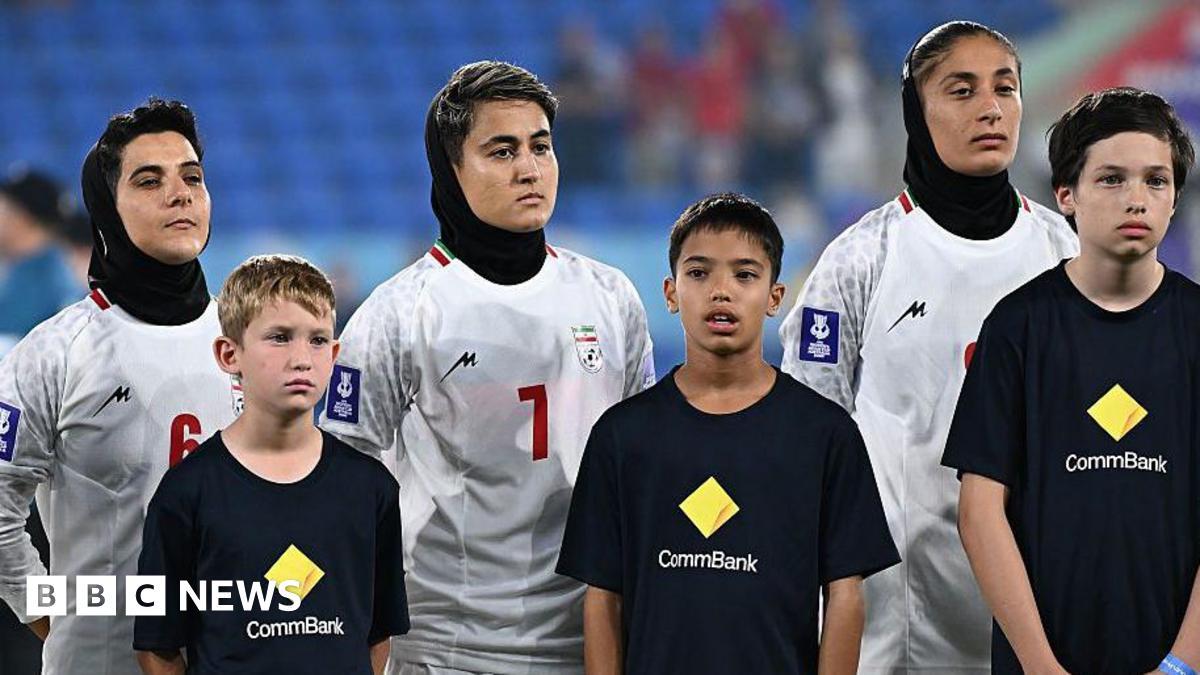
Sources on and off the team described a fraught atmosphere back in Iran that helps explain fears for the players: Iranian state media condemned the squad after members initially refused to sing the national anthem, with Business Standard reporting state television had labelled the players “wartime traitors” and “the pinnacle of dishonour.” France 24 also recorded the phrase, noting that a state TV presenter “branded the side 'wartime traitors'.” NBC and Business Standard cited players and team officials expressing concern for family members and threats that may already have been made against relatives back home.
“Iranian state television responded sharply, labelling the players as ‘wartime traitors’ and describing the team as ‘the pinnacle of dishonour.’”
Calls for protection
International figures and human-rights groups amplified calls for Australian protection: Reza Pahlavi urged Canberra to “ensure their safety and give them any and all needed support,” France 24 reported, while J.K. Rowling pleaded on social media “Please, protect these young women.”
Amnesty International and other campaigners warned of possible severe punishments on return; Business Standard quoted Amnesty campaigner Zaki Haidari saying “Some of these team members probably have had their families already threatened. Them going back, who knows what sort of punishment they will receive?”
Team wishes and uncertainty
Despite international concern and activist pressure, team officials repeatedly said the squad wanted to return home, creating an unresolved picture: head coach Marziyeh Jafari told AAP “We want to come back to Iran as soon as we can. I want to be with my country and home Iranians inside Iran. We are eager to come back.”
“We want to come back to Iran as soon as we can. I want to be with my country and home Iranians inside Iran. We are eager to come back.”
Australian officials including Foreign Minister Penny Wong said only that Australia “stands in solidarity” and declined to confirm direct contact with individuals.
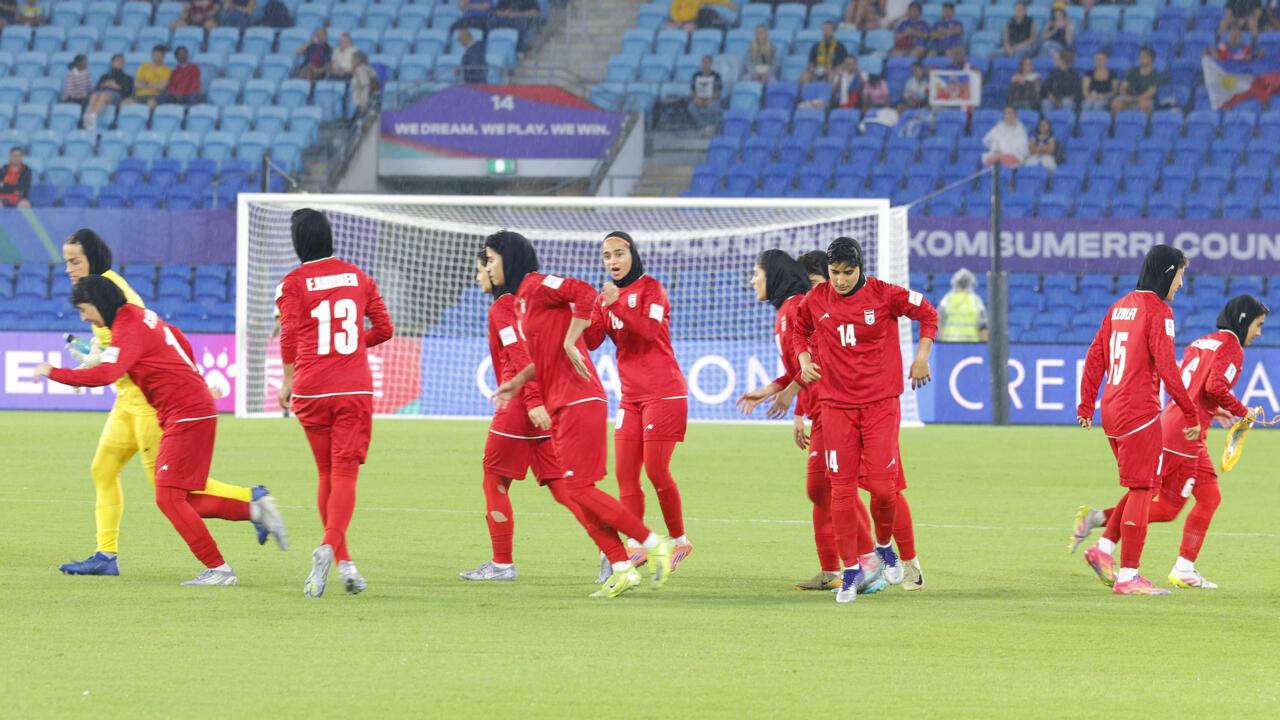
Media accounts flagged uncertainty over whether remaining team members would seek asylum and noted Australian authorities would not comment publicly on individual circumstances.