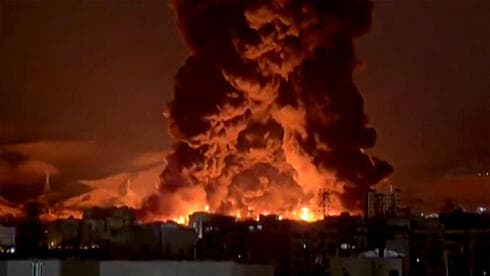
Trump Says U.S. Bombed Military Sites on Kharg Island, Iran's Oil Hub
Key Takeaways
- Trump announced U.S. bombed all military targets on Kharg Island, Iran's oil hub.
- The operation spared Kharg Island's oil infrastructure for now.
- He warned any disruption to Strait of Hormuz shipping would prompt reconsideration.
U.S. Strike Announcement
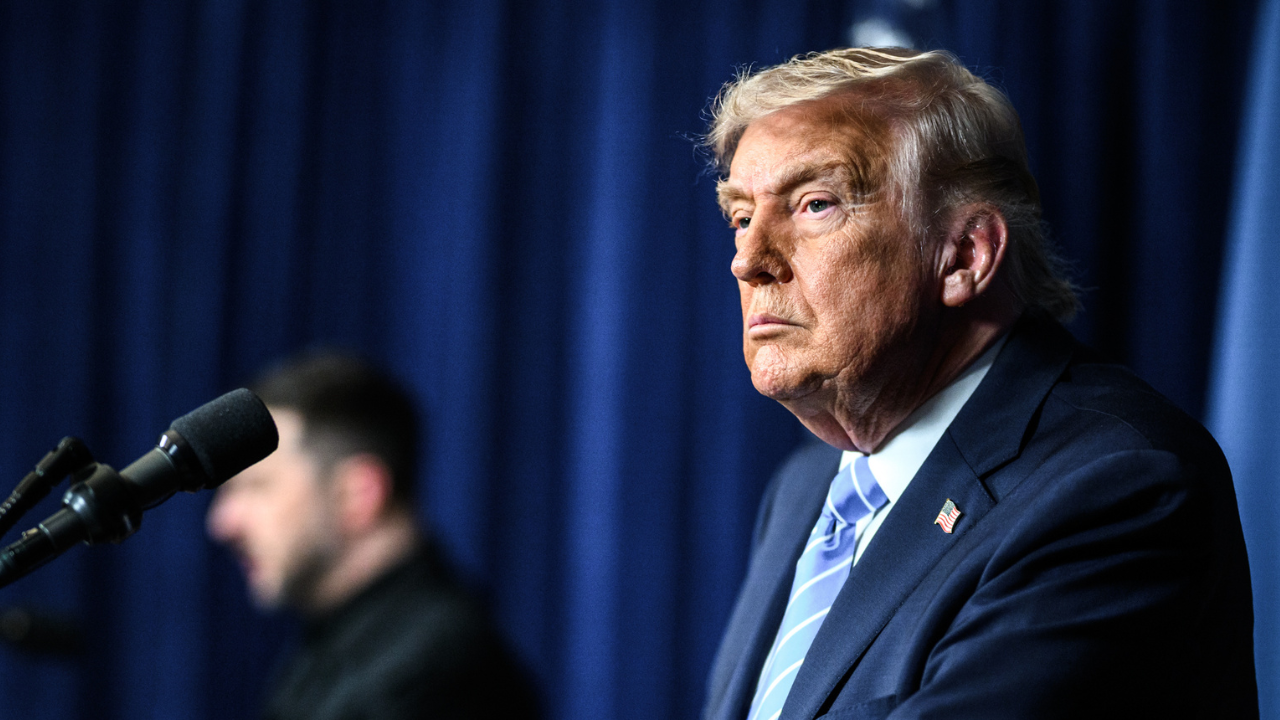
President Donald Trump announced on Friday that U.S. military forces had conducted extensive bombing raids on Iran's Kharg Island.
“Israel suspects Khamenei was wounded at the start of the war”
In a post on his Truth Social platform, Trump claimed that U.S. Central Command had executed 'one of the most powerful bombing raids in the history of the Middle East.'

The president stated that forces had 'totally obliterated every MILITARY target' on the strategically vital island.
Trump justified his decision to avoid damaging oil facilities 'for reasons of decency,'
While warning that any interference with shipping through the Strait of Hormuz could prompt immediate reconsideration of this approach.
Strategic Importance
Kharg Island holds immense strategic and economic significance for Iran, serving as the country's primary oil export terminal.
Approximately 90% of Iran's crude exports pass through the island's facilities.
The small island, located about 25 kilometers west of Iran's coast in the Persian Gulf, became a massive oil terminal during Iran's oil boom in the 1960s.
It was once the largest oil terminal of its kind in the world.
Analysts estimate Iran could export up to 7 million barrels of oil per day through Kharg, making it an economic lifeline for Tehran.
The island's vulnerability was demonstrated during the Iran-Iraq war in the 1980s when it was repeatedly attacked.
Its strategic importance has made it a long-standing potential target in regional conflicts, with reports suggesting Israel had considered targeting it during previous conflicts but had held off until now.
Regional Military Response
The U.S. military escalation on Kharg Island was accompanied by significant regional military deployments.
“"I mean, I have my own idea, but what good does it do”
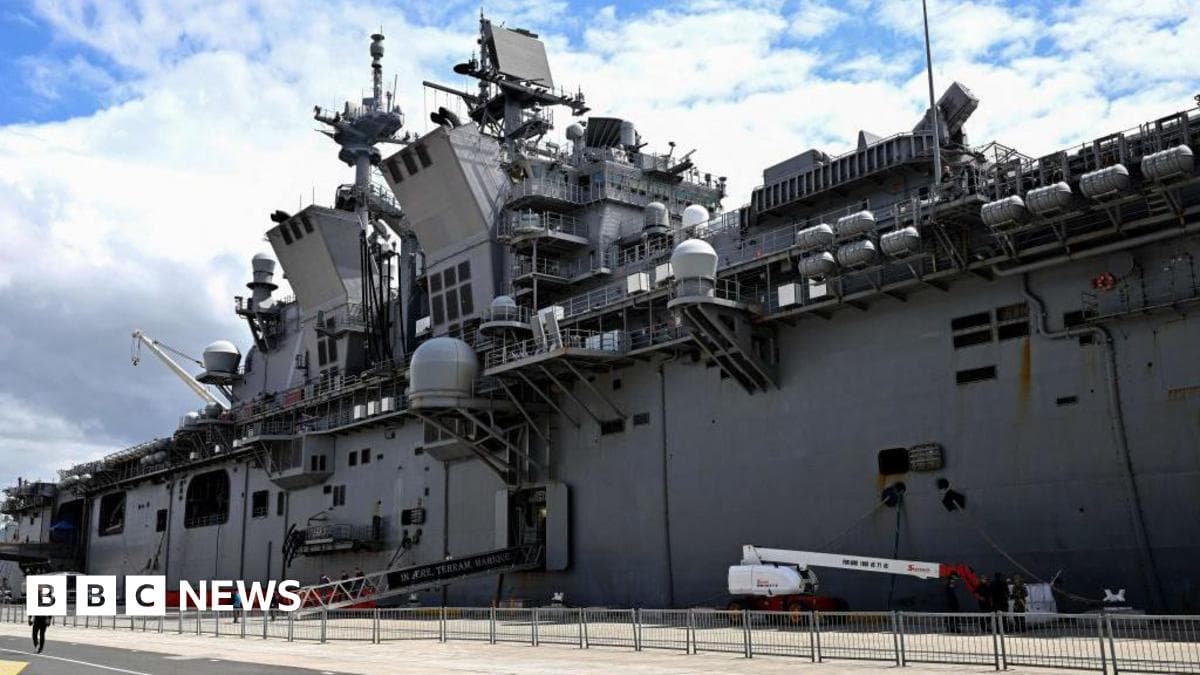
U.S. officials confirmed that the Pentagon had dispatched the Japan-based amphibious assault ship USS Tripoli to the region along with its complement of approximately 2,500 Marines.
Additional reports suggested the deployment of a full Marine expeditionary unit typically comprising around 5,000 Marines and sailors across several warships.
This amphibious capability suggests Washington is considering expanded military options in the region.
Meanwhile, Iran and its allies responded with intensified attacks, with Iranian strikes targeting Israel and Gulf neighbors.
Iran launched missiles that prompted air raid sirens in Israel, Bahrain, Qatar, and Saudi Arabia.
Qatar's defense ministry confirmed intercepting missiles targeting the Gulf state.
Saudi Arabia reported intercepting dozens of drones, and NATO forces shot down a ballistic missile launched from Iran.
Oil Market Impact
The U.S. strikes on Kharg Island occurred against a backdrop of severe economic disruption in global energy markets.
Oil prices surged by 40 percent since the United States and Israel began their war with Iran last month.

Benchmark oil prices punched back above $100 a barrel for the first time since 2022.
This underscores the rapid impact of geopolitical shocks on the energy complex.
Trump addressed the market turmoil by announcing that the US Navy would 'soon, very soon' begin escorting tankers through the Strait of Hormuz.
The Strait of Hormuz is a critical waterway through which a fifth of global crude oil and liquefied natural gas normally pass.
Iranian strikes had all but halted maritime traffic in the strategically important strait, creating significant economic pressure.
The president's warning that he would reconsider sparing Kharg Island's oil infrastructure if shipping lanes were interfered with added further uncertainty to global energy markets.
Iranian Response
Iran responded to the intensified U.S. military campaign with defiant public displays and continued military actions across the region.
“President Donald Trump said Friday that the U”
Iranian authorities held pro-government rallies in Tehran where officials marched alongside demonstrators waving banners reading 'Death to America' and 'Death to Israel,'
Demonstrating the regime's determination to present itself as remaining in control despite the U.S.-Israeli campaign.
Iran's new supreme leader, Mojtaba Khamenei, who was named after his father Ali Khamenei was killed at the start of the US-Israeli campaign on February 28, has reportedly been absent from public view and said to be wounded.
The US government responded by unveiling a $10-million reward for information about Mojtaba Khamenei's whereabouts.
Meanwhile, the war between Israel and Hezbollah in Lebanon continued to escalate,
With the Lebanese health ministry reporting that an Israeli strike on a primary healthcare center in southern Lebanon had killed at least 12 medical personnel,
Bringing the total killed by Israeli attacks in Lebanon to at least 773 people.
More on Iran
FBI Warns of Iranian Drone Plot Based on Unverified Tip; California Says No Credible Threat
10 sources compared

White House Demands ABC Retract Report Claiming Iran Sought To Launch Drone Attacks On California
11 sources compared

Iranian Proxy Claims It Shot Down US Refueling Plane in Iraq; US Military Says Otherwise
17 sources compared

U.S. and Israel Launch Airstrikes on Iran, Shake Beirut and Tehran
18 sources compared