
U.S. and Israel Launch Airstrikes on Iran, Shake Beirut and Tehran
Key Takeaways
- U.S. and Israeli airstrikes struck Iran, causing explosions in Tehran and Beirut
- Pentagon estimates the Iran war’s first week cost the U.S. $11.3 billion
- U.S. KC-135 refueling plane crashed in western Iraq during operations, killing four crew
Strikes on Iran
U.S. and Israeli forces have launched sustained air and missile strikes across Iran’s major cities, with both sides describing wide-scale operations and extensive targeting of military and energy infrastructure.
“Air Force investigation”
Israel’s military said it had begun a “wide-scale wave of strikes” in Tehran, and CNN reported that “Israel said its fighter jets struck 200 targets in Iran.”
The New York Times said “The U.S. and Israeli militaries continued to bombard Iranian military targets and energy facilities,” and the Guardian reported that “Israel launched intense strikes against Tehran and areas surrounding the Iranian capital.”
U.S. political rhetoric has been hawkish: the Yakima Herald quoted President Donald Trump saying he promised to “finish the job,” even as Iran is “virtually destroyed.”
Lebanon toll and displacement
Israel’s bombardment of Lebanon has inflicted heavy civilian casualties and mass displacement, with multiple strikes across Beirut and southern Lebanon.
The New York Times reported that “Israel’s bombardment has killed more than 600 people in Lebanon, according to Lebanese officials,” while another New York Times piece said “Nearly 700,000 people have been driven from their homes in Lebanon.”

The Yakima Herald noted that “authorities in Lebanon say 800,000 have been forced from their homes as Israel’s military destroys buildings linked to Iran-backed Hezbollah militants,”
Outlets reported specific deadly strikes: The Mirror said a “Missile strike on Beirut kills two university staff” and the Guardian noted that a “fresh strikes on Beirut included one that hit a car in the coastal neighbourhood of Jnah, killing one person.”
Hezbollah and Beirut fighting
Hezbollah has responded with rocket and drone strikes into northern and central Israel, and Israel has conducted repeated strikes across Beirut’s Dahiya district and other Hezbollah-linked targets.
The New York Times said “Hezbollah began firing rockets at Israel last week in retaliation for the U.S.-Israeli war on Iran,” and quoted the Israeli military explaining it struck the Dahiya because of Hezbollah’s “deliberate decision to attack Israel on behalf of the Iranian regime.”
AP noted that “Israel’s military also said it was targeting Hezbollah with strikes and raids in various parts of Lebanon,”
CNN and The Mirror documented strikes in Beirut and reported that Israel “struck an apartment building in central Beirut” and “bombed a busy residential and commercial district in central Beirut.”
Regional fallout
The fighting has widened regional risks by disrupting shipping and targeting civilian infrastructure across the Gulf and adjacent states, prompting air-defence responses and NATO deployments.
The New York Times said the fighting “has slowed ship traffic in the Strait of Hormuz, the conduit for about one-fifth of the world’s oil,” and reported attacks on oil depots and desalination plants.

Saudi and Gulf states reported multiple incoming drones and missiles; the Yakima Herald said “Saudi Arabia says its air defenses downed 38 drones in just a few hours,” and the New York Times noted the U.A.E. and Bahrain intercepted or were affected by strikes.
NATO has reinforced defences in the region, with the Independent reporting that it deployed “a US Patriot air defence system to the southeastern Turkish province of Malatya.”
Rhetoric and leadership
Political and leadership shifts have intensified rhetoric: U.S. and Israeli leaders have issued hardline statements as Iran named a successor and vowed retaliation.
“US says 4 crew members confirmed killed in loss of KC-135 refueling aircraft over Iraq [](https://subscribe”
The Guardian quoted Donald Trump saying the US was “totally destroying” Iran’s ruling regime, while the Mirror reported that “Netanyahu says Israeli attacks have killed top Iranian nuclear scientists.”

Iran’s political succession was highlighted by the New York Times: “Iran named Mojtaba Khamenei, a son of the country’s slain supreme leader, as his father’s successor,” and the Mirror included the new supreme leader’s pledge that “I assure everyone that we will not refrain from avenging the blood of your martyrs.”
On diplomacy, the Associated Press reported Russia’s U.N. envoy saying “there are no negotiations to end the war in Iran.”
More on Iran
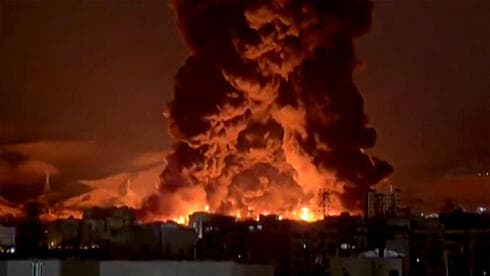
US obliterates military targets on Iran’s Kharg Island, Trump warns
13 sources compared
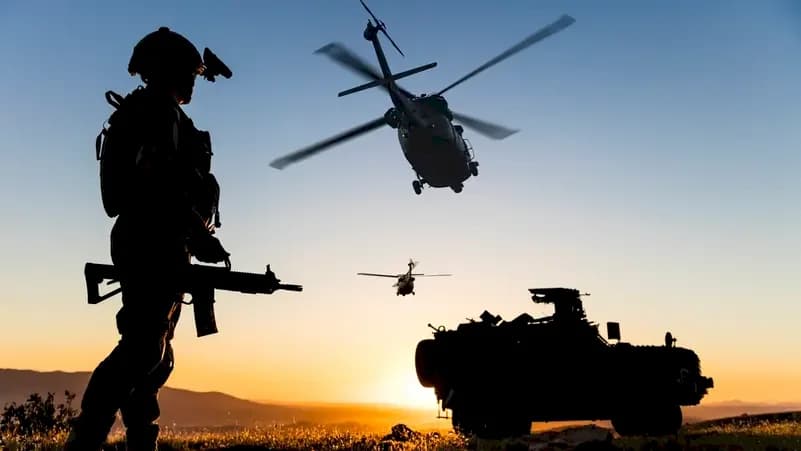
US Deploys About 2,500 Marines to Middle East After Iran Attacks Gulf Shipping
33 sources compared
FBI Warns of Iranian Drone Plot Based on Unverified Tip; California Says No Credible Threat
10 sources compared

White House Demands ABC Retract Report Claiming Iran Sought To Launch Drone Attacks On California
11 sources compared