Austria's Ruling Coalition Agrees To Ban Social Media For Children Under 14 Nationwide
Key Takeaways
- Austria plans nationwide ban on social media for under-14s.
- Draft legislation by June to ban under-14 social media.
- Plans new compulsory 'Media and Democracy' subject in schools.
New 14-year ban initiative
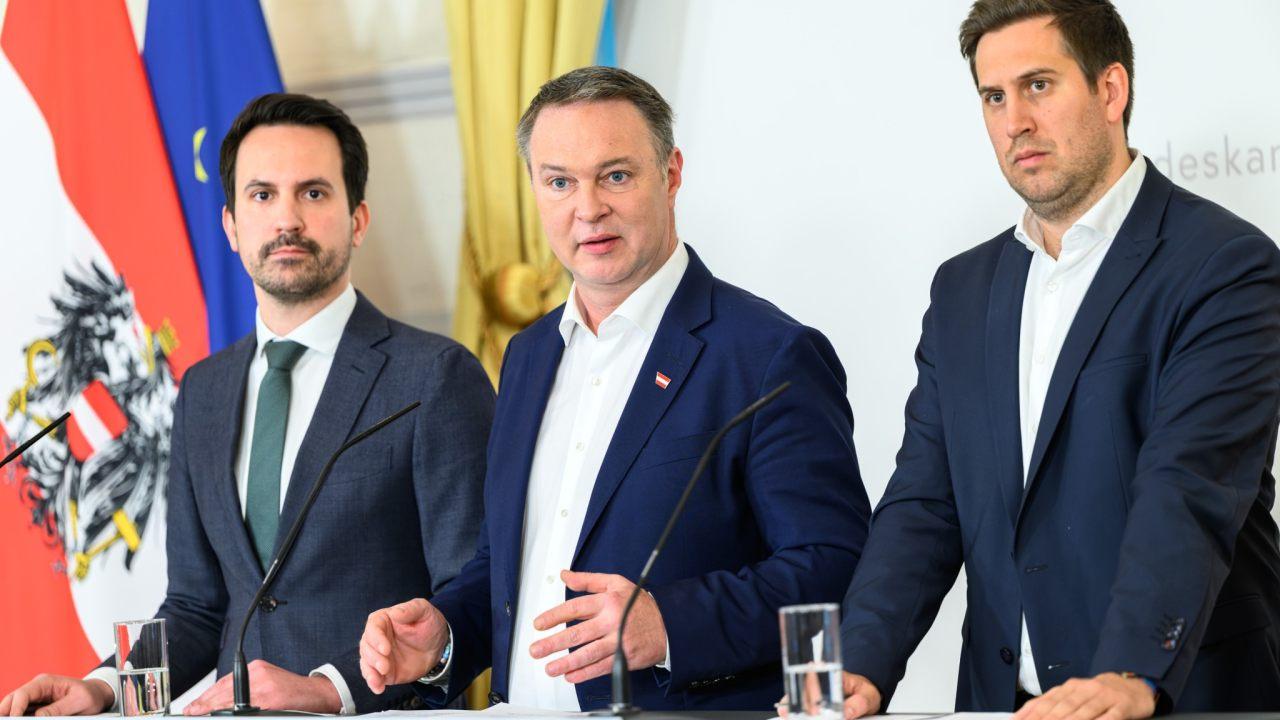
Austria’s ruling coalition has agreed to a nationwide ban on social media use for children under 14, signaling the most concrete step yet by a West European government to set a minimum age for accessing digital platforms.
“Austria plans to ban children under 14 from using social media, with an official saying certain online sites are addictive and making young people “sick””
The government says a draft law, with technical details on how to verify ages and enforce the rule, will be drawn up by the end of June, and it plans to present the bill in time for a potential summer entry into force.

Importantly, the plan eschews listing specific platforms; instead it will assess platforms by how addictive their algorithms are and what content minors are exposed to, aiming to apply the rule to platforms that are most harmful.
This move aligns with a broader European trend and is paired with a new compulsory school subject on media literacy called “Media and Democracy.”
Implementation mechanics & platform scope
On implementation, the plan centers on how to verify a child’s age and determine which platforms fall under the ban without requiring a universal real-name regime.
Authorities say a forthcoming legislative text will outline the technical implementation of the age limit and the verification methods designed to confirm users’ ages without compromising privacy.

Officials say they will not publish an exhaustive list of platforms; instead they will base inclusion on the addictiveness of algorithms and the presence of harmful content.
Verification methods are to be privacy-preserving, potentially involving two-step or EU-level identity checks as a future option.
EU momentum & global responses
Proto Thema notes that several EU states, including France, Spain, and Denmark, have publicly signaled plans or intentions to establish a digital majority for social networks.
“- Published Austria has announced plans to ban social media for children aged under 14, becoming the latest country to consider introducing restrictions for children online”
France’s lower house approved a ban for under-15s in January, illustrating cross-country adoption of age-based limits.
Australia has already banned social media access for under-16s, reinforcing a trend toward protective age limits.
Rights groups caution about privacy and effectiveness, but supporters argue these measures reflect a necessary shift in youth online exposure.
Education, literacy & safeguards
Beyond the policy text, the plan foregrounds a broader cultural shift in Austria: the education sector will introduce a compulsory upper-secondary course called ‘Media and Democracy’ to improve media literacy and help students distinguish truth from misinformation.
The reform also signals broader digitization goals, with informatics updates and AI education to prepare students for a digital environment.

Critics— including some opposition voices—warn about potential censorship, privacy concerns, and practical challenges of enforcing an age-verified system across platforms domiciled abroad.
The combined legal and curricular approach represents a holistic push toward digital citizenship, whose success will depend on implementation detail and cross-border cooperation.
More on Europe
Volkswagen Seeks to Convert Osnabrück Plant to Make Iron Dome Components If Workers Opt In
21 sources compared

Frederiksen seeks to stay as Denmark's prime minister after election amid Social Democrats' decline
13 sources compared

Drones from Russia Enter Estonia and Latvia; One Hits Power Station Chimney, Crashes in Latvia
31 sources compared
Rasmussen's Moderates Decide Whether Mette Frederiksen Forms Government
66 sources compared