Drones from Russia Enter Estonia and Latvia; One Hits Power Station Chimney, Crashes in Latvia
Key Takeaways
- Drone from Russia struck Auvere power plant chimney in Estonia; no injuries.
- Latvia reported a drone entering its airspace from Russia and crashing on Latvian soil.
- Incidents occurred amid the Ukraine war, with authorities attributing drones to Russia.
Baltic Drone Incidents
On March 25, 2026, two drones entered the airspace of NATO member states Estonia and Latvia from Russian territory, causing security incidents in both Baltic nations.
“A drone that entered Estonian airspace from Russia struck the chimney of the Auvere power plant in Ida-Viru County early on March 25, 2026, in the latest drone-related incident to spill into the Baltic states from the war in Ukraine”
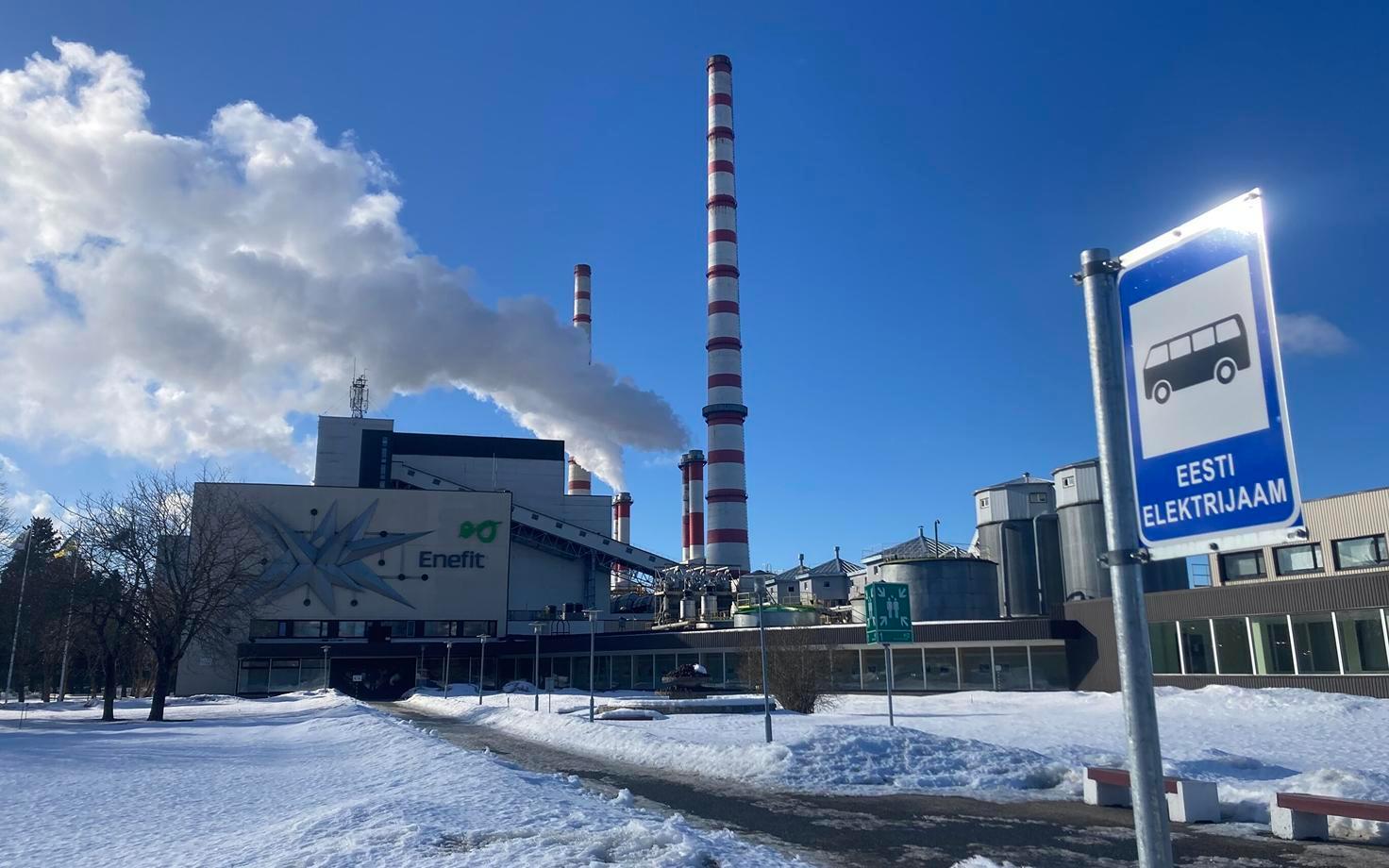
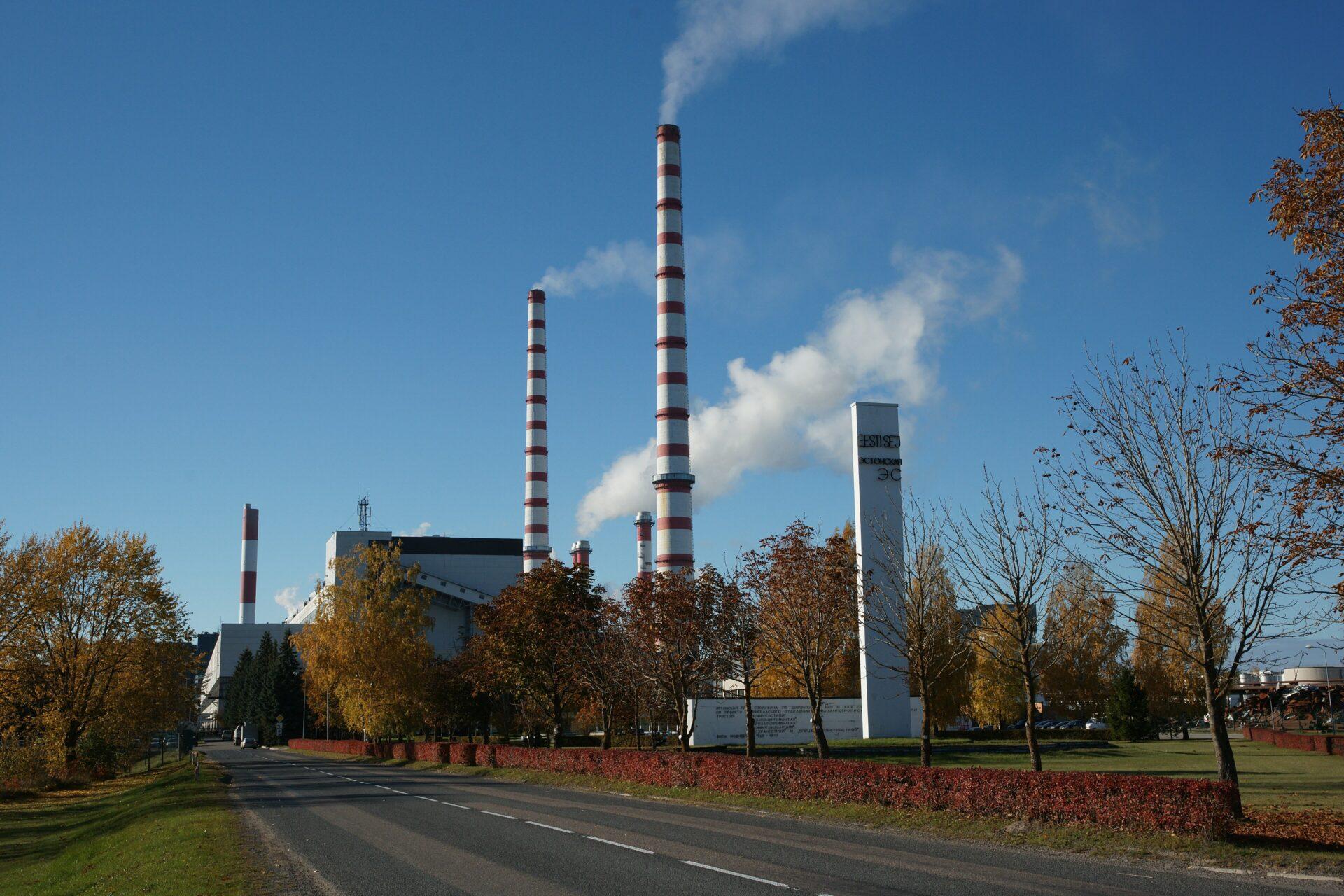
In northeastern Estonia near the border city of Narva, a drone struck the chimney of the Auvere power plant operated by Enefit Power.
Meanwhile, in southeastern Latvia, another drone crashed in the Krāslava region near the Belarus border.
Estonian authorities confirmed the drone entered from Russian airspace and hit the power plant chimney at 3:43 a.m. local time, causing no injuries or significant damage to the facility.
Latvian military detected an unmanned aerial vehicle entering from Russia, with early warning systems recording an explosion-like sound in the crash area.
The incidents occurred amid heightened tensions in the region as Ukraine intensified drone attacks against Russian targets, particularly focusing on Baltic Sea port infrastructure.
Both countries launched investigations into the incidents, with Estonia's Internal Security Service and Latvia's National Armed Forces coordinating their responses.
Estonian Power Plant Strike
The Estonian drone incident specifically targeted the Auvere power plant, a critical energy infrastructure facility located just 2 kilometers from the Russian border in Ida-Viru County.
The power plant operator, Enefit Power, confirmed that while the drone struck the chimney, the facility suffered no direct damage and the incident would not significantly impact Estonia's electricity system.

Estonian Chief of Defense Major General Andrus Merilo characterized the drone as likely being a military attack or decoy drone carrying explosives, linking it to Ukrainian strikes against Russia's Leningrad region.
He suggested that Russian air defenses and electronic warfare measures may have pushed the drone off course into Estonian airspace.
The Estonian Prosecutor General's Office initially stated that according to available information, the drone was not deliberately directed at Estonia, though investigations continued to determine the precise circumstances of the incident.
Rescue teams from the Estonian Rescue Board were dispatched to handle explosive ordnance disposal at the scene.
Latvian Crash Investigation
In Latvia, the drone incident unfolded in the Krāslava municipality, located in the southeastern corner of the country bordering Belarus, a key Russian ally.
“Kyiv — NATO members Estonia and Latvia said Russian drones entered their territory Wednesday morning on the heels of one of Russia's biggest daytime drone attacks on Ukraine since Vladimir Putin launched four years ago”
Latvian authorities confirmed that the drone entered Latvian airspace from Russian territory, with early warning systems detecting a sound similar to an explosion in the area.
Latvian Prime Minister Evika Siliņa stated on her X account that elements suggested the crashed drone could have been Ukrainian in origin, referencing similar incidents in neighboring Lithuania.
The Latvian National Armed Forces reported that they identified 'an unmanned aircraft in Latvian airspace coming from Russia' and that remains of the drone had been recovered from the crash site.
A second unidentified aerial object was also detected entering Latvian airspace from Belarus, though it briefly changed course and flew back toward Russia.
Defense Minister Andris Spruds cut short a visit to Ukraine following the incident and returned to Riga to oversee the response.
No injuries or damage to civilian infrastructure was reported in the Latvian incident.
Ukrainian-Russian Drone War
The drone incidents in the Baltic states occurred against the backdrop of intensifying Ukrainian drone warfare against Russian targets and massive Russian retaliation.
Ukraine had launched one of its largest-scale aerial assaults in over four years, firing nearly 1,000 drones at Ukraine in a 24-hour period according to Kyiv's Air Force.

The Russian Defense Ministry claimed to have intercepted and destroyed 389 Ukrainian drones between 8:00 p.m. GMT Tuesday and 4:00 a.m. GMT Wednesday, with strikes targeting regions including Bryansk, Belgorod, and Kursk that border Ukraine.
The drone attacks specifically focused on Russian Baltic Sea port infrastructure, with strikes hitting the important port of Ust-Luga in the Gulf of Finland and causing fires at oil facilities in Primorsk port.
These ports are major export hubs located near Estonia and Finland, with Ukraine attempting to weaken Russia's war economy through attacks on refineries and export routes.
The incidents came as peace talks brokered by Washington remained stalled, and Ukrainian President Volodymyr Zelenskyy had called the airspace violations an escalation threatening all of Europe.
Security Responses
Estonian and Latvian authorities responded to the drone incidents with heightened security measures and official statements emphasizing the connection to Russia's ongoing war in Ukraine.
“A drone struck a power plant in NATO member Estonia, and another crashed in Latvia”
Estonian ISS Director General Margo Palloson stated, 'These are the effects of Russia's large-scale war of aggression,' expressing concern that 'incidents like this will occur in the future.'
Both countries activated their defense systems, with Estonia deploying additional units outside their normal peacetime locations and imposing a temporary no-fly zone over eastern Estonia for several days.
The Baltic Air Policing mission was activated, with Italian fighters airborne to monitor the situation.
Estonia's interior minister, Igor Taro, acknowledged that the country remained in peacetime conditions but emphasized that critical sites were being protected using available capabilities.
He also noted that Estonia had abandoned the term 'drone wall' because dangerous drones might not approach only from the border, and Russia's use of countermeasures like GPS jamming could cause aerial objects to stray into Estonian territory.
Both countries summoned Russian diplomatic representatives to protest the airspace violations and demanded explanations for the incidents.
Security Vulnerabilities
The drone incidents highlighted growing security concerns in the Baltic states and exposed vulnerabilities in their air defense systems amid the ongoing Ukraine conflict.
Security analysts criticized Estonia's surveillance capabilities, with former Defense Forces commander Riho Terras stating that 'Estonia's surveillance systems failed' and that 'drones must be detected before they reach their target.'
He emphasized that the country's counter-drone capability was inadequate and needed urgent investment.
Similarly, security analyst Meelis Oidsalu argued that Estonia's drone defense was still not strong enough, noting that while monitoring and counter-drone systems were being strengthened, a more substantial peacetime capability was not expected before 2027 or 2028.
The incidents also raised questions about the potential for escalation, with Estonia's Defense Forces stating they would not shoot down drones near the border if there was any risk that the effects could spill into Russian territory, aiming to avoid unintended escalation.
The events occurred amid a pattern of Russian airspace violations, with Estonia reporting 18 violations by Russian aircraft during 2025, three times more than in 2024, indicating a concerning trend of regional instability as the Ukraine war continues.
More on Russia

Trump Administration Waives Iranian Oil Sanctions for 30 Days to Ease Global Energy Prices
14 sources compared

Russian intelligence-linked hackers target Signal users, accessing thousands of accounts
10 sources compared

U.S. and Israel strike Iran, triggering West Asia crisis, Strait of Hormuz closure, energy shocks
52 sources compared

Wally Liaw, Super Micro co-founder, charged in $2.5B AI chip smuggling scheme to China
12 sources compared