U.S. and Israel strike Iran, triggering West Asia crisis, Strait of Hormuz closure, energy shocks
Key Takeaways
- Trump will visit Beijing May 14-15 to meet Xi Jinping.
- Dates set after postponement due to Iran war and Middle East tensions.
- White House confirmed rescheduled dates and a reciprocal Washington visit.
West Asia conflict backdrop
U.S. and Israel launched military strikes against Iran on February 28, triggering a West Asia crisis that has widened into March as Tehran’s response and regional spillovers unfold.
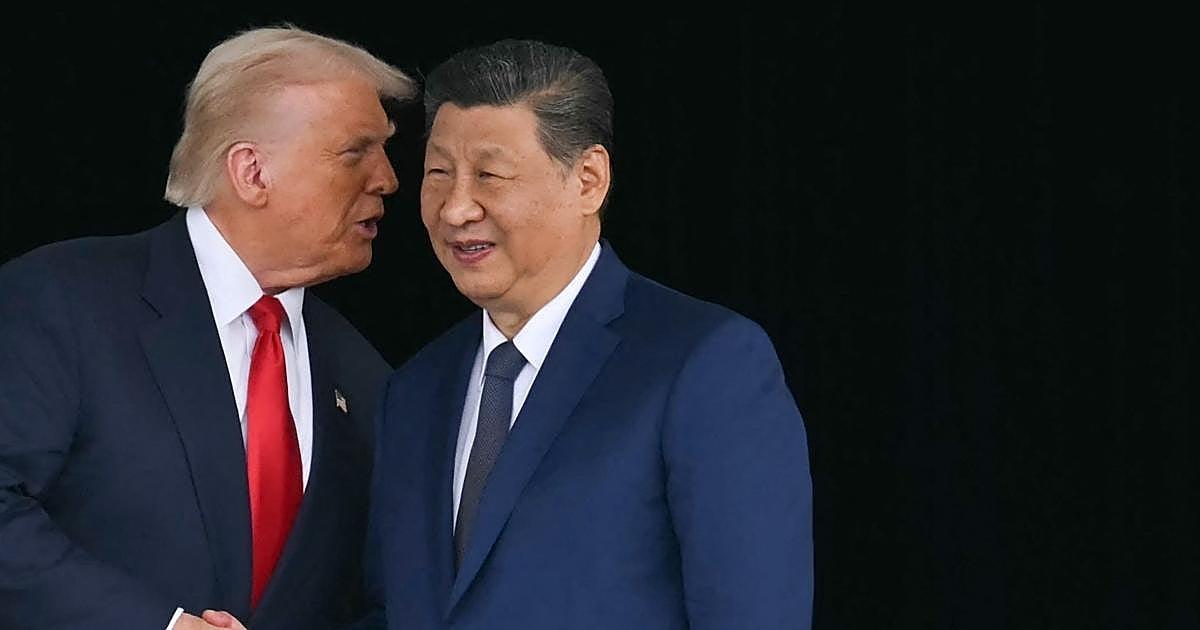
“Donald Trump will finally travel to Beijing on May 14 and 15 to meet Xi Jinping, in a visit that had been left in limbo because of the war with Iran and that the White House now regards as rescheduled”
The campaign has disrupted energy routes, with Iran effectively closing the Strait of Hormuz and sending shocks through global energy markets.
Western outlets describe the war as ongoing with no clear end in sight, while observers note Beijing's interest in how the conflict reshapes power dynamics.
Analysts emphasize that Beijing’s leverage includes rare-earth supply chains and China’s role as a major importer of Iranian oil, factors that could influence Washington’s calculations as the fighting persists.
The broader context of the conflict has drawn in global powers and heightened attention to how China might position itself amid Western military actions.
Rescheduled Beijing summit
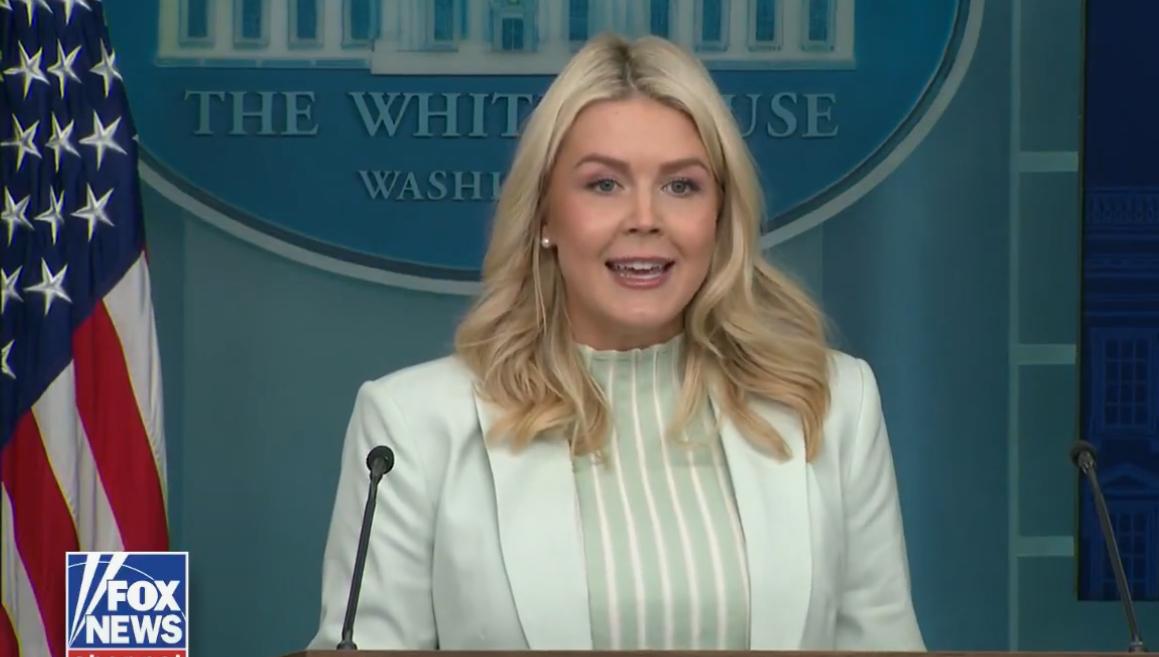
White House Press Secretary Karoline Leavitt announced that President Trump will travel to Beijing on May 14-15 for a state visit with Xi Jinping, with Xi and his wife later hosted for a reciprocal visit in Washington this year.
Trump posted on Truth Social that his representatives are finalising preparations for these historic visits, signaling ongoing efforts to reset ties despite the Iran conflict.

Officials emphasized that the rescheduling was tied to the war in West Asia, not a precondition tied to ending the fighting.
Leavitt stressed that Washington has been estimating the war would run about four to six weeks, a timeline cited by multiple outlets.
Beijing has not publicly responded with a timetable for Xi’s schedule, and the White House reiterated that preparations are proceeding in parallel with broader strategic goals.
Beijing’s strategic leverage
Analysts say the Iran war offers Beijing a chance to present itself as a more reliable great power on the international stage.
“Originally scheduled between the end of March and the beginning of April, the long-awaited summit between the presidents of the world's two leading powers, Donald Trump and Xi Jinping, has been postponed due to escalating tensions in the Middle East”
China’s leverage includes rare earth supply chains and its status as a major importer of Iranian oil, which could influence Washington’s bargaining position.
Beijing’s stance has been cautious, with China calling for de-escalation while engaging with Washington on strategic issues.
Multiple outlets describe Beijing as potentially gaining temporary strategic advantage as the U.S. concentrates on the Gulf and West Asia crisis.
Agenda and expectations
CNBCTV18 notes that goodwill agreements on agriculture and airplane parts are possible, with Taiwan remaining a major topic.
The Times of India highlights agriculture and aircraft components as likely focal points, while flagging Taiwan as a persistent disagreement.

Zee Business mentions the possibility of a rare earth minerals deal accompanying discussions on broader trade issues.
Bloomberg describes the Beijing talks as a blend of ceremonial diplomacy with substantive negotiations and notes the potential for limited breakthroughs.
CNBC or other outlets emphasize that the Iran war adds a backdrop that could influence the scope of negotiations on energy and strategic sectors.
Implications and risks
Analysts warn that the ongoing West Asia conflict could push energy prices higher and raise inflation risks.
“The US-Israeli war on Iran shows divergent implications for China, as analysts say this conflict offers Beijing a chance to present itself as a more reliable great power on the international stage, while the United States is preoccupied with the war's fallout”
West Asia-focused outlets highlight that prolonged fighting risks destabilizing energy markets and complicating global diplomacy.

Some observers caution that China’s leverage may be time-limited if the war drags on and energy costs spike further.
Other analyses emphasize China’s desire to avoid a complete rupture with Washington, preferring a managed engagement.
The rescheduled Trump–Xi summit is framed as a test of how Beijing and Washington manage competition amid a volatile security environment.
More on China

US Demands Mexico End Cuban Medical Missions
14 sources compared
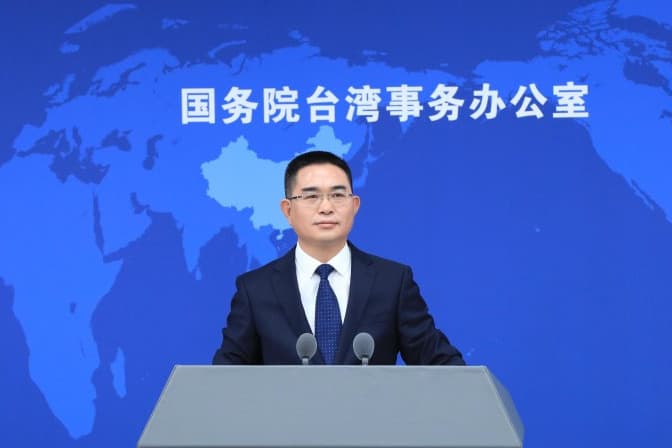
China Offers Taiwan Energy Lifeline If It Accepts Reunification; Taiwan Rejects Proposal
10 sources compared
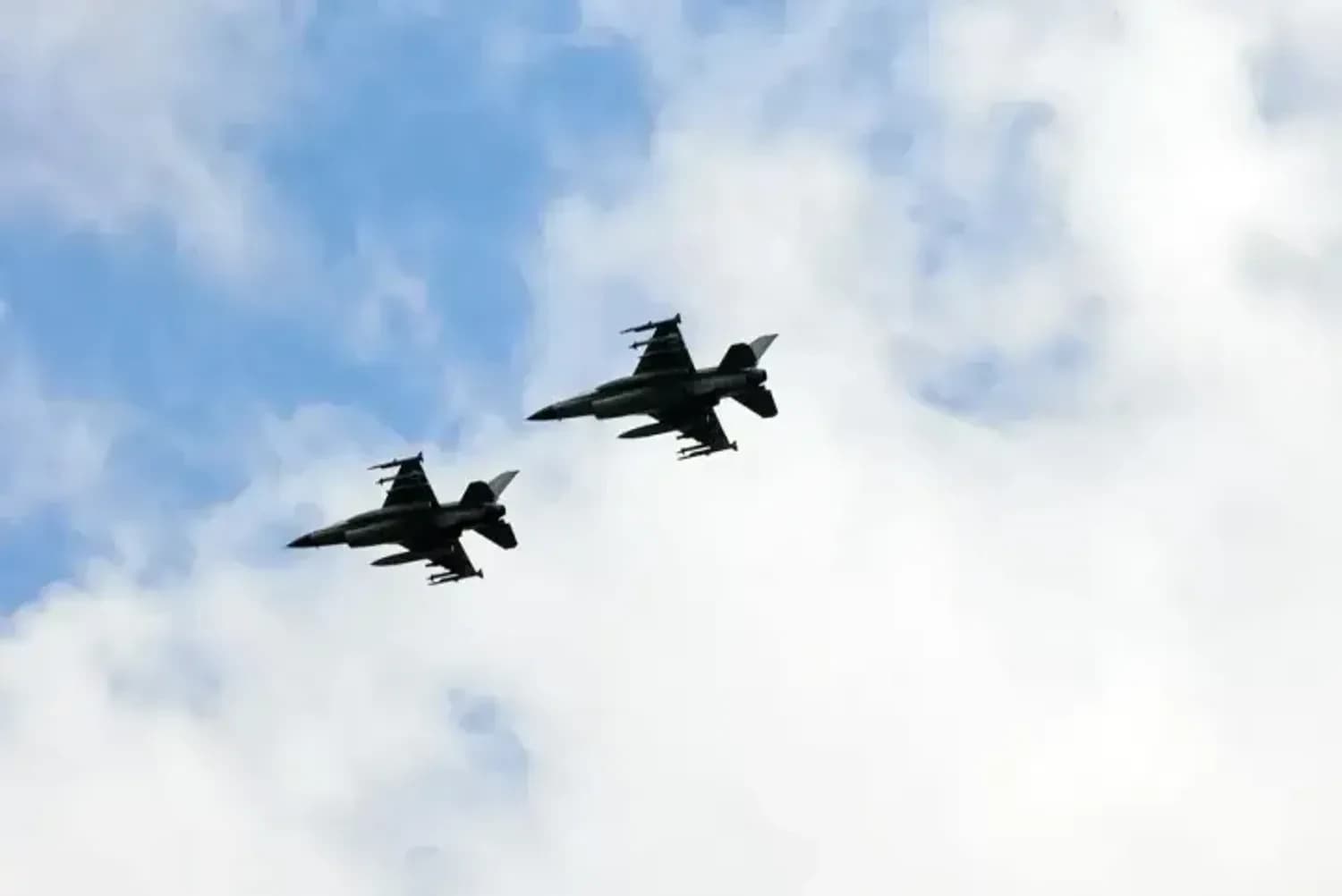
China Resumes Large Scale Military Flights Around Taiwan, Taiwan Reports 26 Aircraft in 24 Hours
14 sources compared

Apple Cuts China App Store Commissions to 25% After Regulator Pressure
25 sources compared