Technology and Science26 March, 20263 min read
US Demands Mexico End Cuban Medical Missions
Mexico will maintain the Cuban doctors program despite U.S. pressure Several Latin American nations, including Honduras and Guatemala, canceled their programs

US pressure vs Mexico stance
Under mounting U.S. pressure to end Cuba's medical missions, Mexican President Claudia Sheinbaum publicly reaffirmed that Mexico will continue hosting Cuban doctors. Al Jazeera reports Sheinbaum describing the arrangement as 'a bilateral agreement that’s been very beneficial for Mexico' while thousands of Cuban medical workers have deployed there since 2022 to work largely in poor, rural areas. The Associated Press frames the issue as part of Washington's bid to isolate Havana, noting that U.S. officials have labeled the program 'forced labor' and pressed other Latin American governments to terminate it.
“We have a very good agreement that’s also been a great help to us. It’s a bilateral agreement that’s been very beneficial for Mexico.”
Reuters-based coverage via 104.1 WIKY notes that several regional partners— Bahamas, Honduras, Guatemala, Jamaica and Guyana—have ended their participation under U.S. pressure. Devdiscourse adds that the United States’ campaign frames these deployments as exploitative, reflecting a broader effort to pressure Havana.
Mexico defends bilateral care
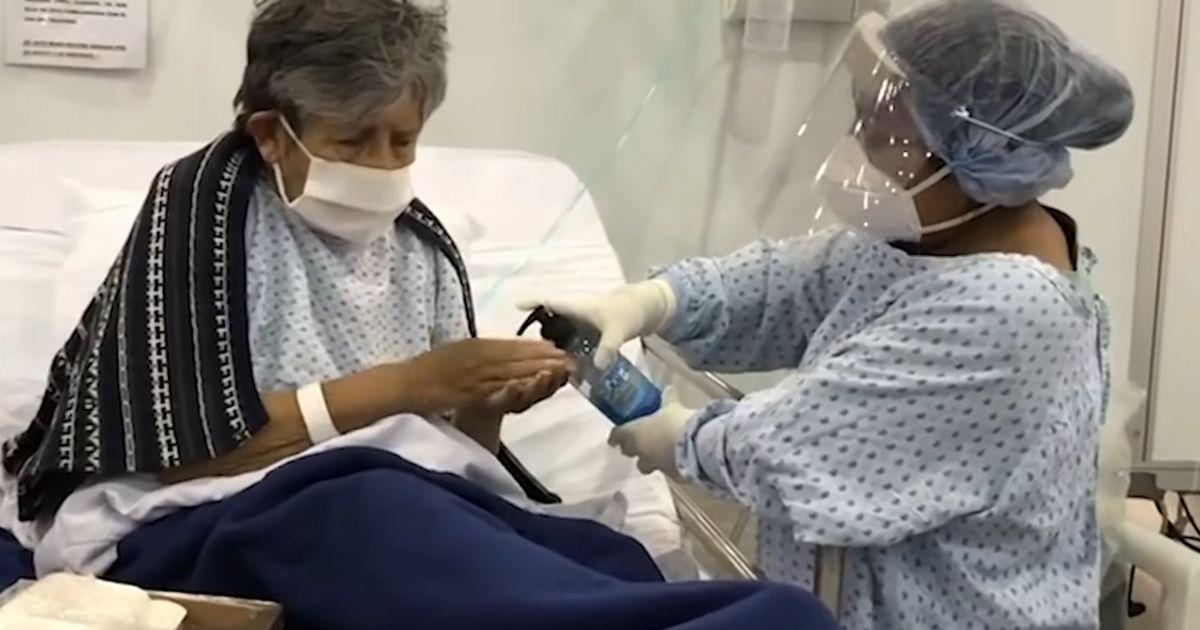
Sheinbaum argues the Cuban doctors fill critical gaps in Mexico's health system, especially in remote regions, describing the bilateral arrangement as a 'very good agreement' and 'great help' for Mexico.
Agencia EFE quotes her: 'We have a very good agreement that also helps us a lot. That is, it is a bilateral agreement of great help for Mexico.'
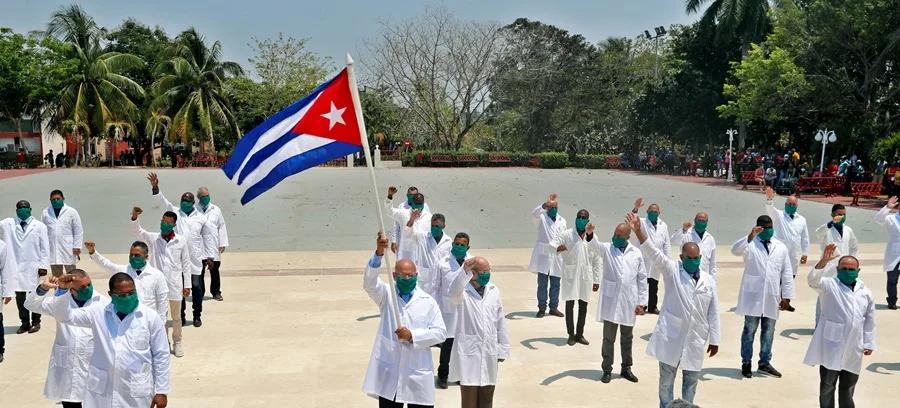
El Informador emphasizes that she rejects claims of irregular employment and asserts that Cuban professionals 'receive direct remuneration' and that they are paid directly.
Plano Informativo notes, 'They are paid what they are due to be paid; that is, they receive their salary.'
CubitaNOW highlights that the program is 'very helpful to the Mexican health system' and especially critical in rural areas.
Regional dynamics & sanctions
Regional pressure on Cuba’s medical missions escalates as Washington presses partners to drop the program. Al Jazeera notes the U.S. law that 'opens the door to sanctions on countries that continue to participate in the programme' and that the broader campaign aims to topple Havana, with Rubio describing the system in terms of 'forced labor'. Associated Press coverage adds that the White House pointed to Rubio’s remarks on the June 'forced labor scheme,' underscoring U.S. demands.
“The U.S. passed a law that opens the door to sanctions on countries that continue to participate in the programme.”
Devdiscourse and 104.1 WIKY (Reuters) reference the wider regional push, with several neighbors including the Bahamas, Honduras, Guatemala, Jamaica and Guyana ending the missions under this pressure. Agencia EFE also highlights that Honduras, Guatemala and Jamaica canceled their medical service agreements following Washington's campaign labeling them as 'forced labor'.
Humanitarian framing & pay
Sheinbaum argues that the Cuban doctors fill essential gaps in rural Mexico, framing the arrangement as humanitarian solidarity rather than exploitation. Nación321 quotes Sheinbaum: 'We must not forget first that it was the Cuban doctors who came to help us during the pandemic.' La Unión de Morelos notes the doctors are 'paid as established' and deny irregular schemes.
El Heraldo de San Luis Potosí reports Sheinbaum stating that Cuban doctors are 'paid directly' and that the cooperation is beneficial. CubitaNOW reiterates that the program is 'very helpful to the Mexican health system' and vital in rural areas.
Broader implications & future
Mexico’s stance signals a broader pattern in which Cuba monetizes its doctors while supporters frame the missions as essential aid and solidarity. CubitaNOW contends that Mexico’s position reopens a regional debate, noting that for some governments the missions are a practical solution to staffing shortages while others view them as exploitative for the Cuban regime.
“Mexico’s decision again brings the debate over these medical missions to the forefront: for some governments they are a practical solution to the shortage of health personnel; for others they represent a model of exploitation that mainly benefits the Cuban regime.”
CiberCuba emphasizes the financial dimension, arguing that Mexico’s payments to Cuban doctors amount to systemic support for Havana and fueling forced-labor criticisms. The Associated Press and Al Jazeera describe Mexico as a steadfast defender of cooperation with Cuba, alongside Lula da Silva, illustrating how this issue intersects with broader foreign-policy alignments.