
NASA Pauses Gateway to Focus on Building Permanent Moon Base
Key Takeaways
- NASA paused Gateway and redirected resources to build a lunar base on the Moon.
- $20 billion over seven years to build a lunar base and repurpose Gateway hardware.
- Plan aims for sustained lunar presence with crewed missions by 2028, including nuclear propulsion.
Policy Shift Announcement
NASA Administrator Jared Isaacman announced on March 24, 2026, that the agency will pause development of the Gateway lunar orbital station.
“01:00 01:04 01:43 02:32 02:24 01:56 01:12 01:30 02:31 04:37 01:12 20 Minutes with AFP Published March 24, 2026 at 4:37 PM • Updated March 24, 2026 at 5:00 PM The new head of NASA, Jared Isaacman, announced on Tuesday that the project to build a space station around the Moon has been put on hold”
The Gateway project, which would have created a space station in orbit around the Moon, is being suspended 'in its current form' as NASA redirects its focus.
The agency is shifting priorities toward establishing infrastructure that supports sustained surface operations on the Moon.
This major strategic change marks one of the most significant redirections in American space policy in decades.
The announcement came during an 'Ignition' event at NASA headquarters, where officials outlined a comprehensive new vision for lunar exploration.
Three-Phase Development Plan
NASA's lunar base development will unfold through a structured three-phase plan spanning the next decade with significant investment of $20-30 billion.
Phase 1 (2026-2028) focuses on increasing the tempo of robotic and crewed missions, including expanded Commercial Lunar Payload Services (CLPS) operations.

During Phase 1, NASA aims to establish reliable access through up to 21 uncrewed landings plus one crewed landing while conducting ground truth assessments.
Phase 2 (2029-2031) will begin building semi-habitable infrastructure and enable regular astronaut operations, targeting up to two crewed missions per year.
Phase 3 (2032-2036) will establish the long-term permanent human presence with routine logistics and delivery of heavier infrastructure.
International Partnerships
The decision to pause Gateway creates uncertainty for international partners who had committed components to the orbital station.
“NASA has unveiled a sweeping overhaul of its space exploration strategy, shifting focus from orbital infrastructure to building a sustained human presence on the Moon, while accelerating plans for nuclear propulsion and commercial expansion in low Earth orbit”
Partners include the European Space Agency (ESA), Japan Aerospace Exploration Agency (JAXA), Canada, and the United Arab Emirates.
NASA officials emphasized that 'despite difficulties with some existing equipment, we can repurpose equipment and international partner commitments'.
The Power and Propulsion Element is being reallocated to support a new Space Reactor-1 Freedom mission concept aimed at Mars.
Carlos Garcia-Galan, formerly deputy manager of the Gateway Program, has been appointed as Program Executive for the new Moon Base effort.
Strategic Drivers
The strategic shift toward building a permanent lunar base is driven by multiple factors including geopolitical competition with China.
NASA faces pressure from China's lunar program, which aims to land astronauts around 2030, while emphasizing permanent infrastructure to maintain space leadership.
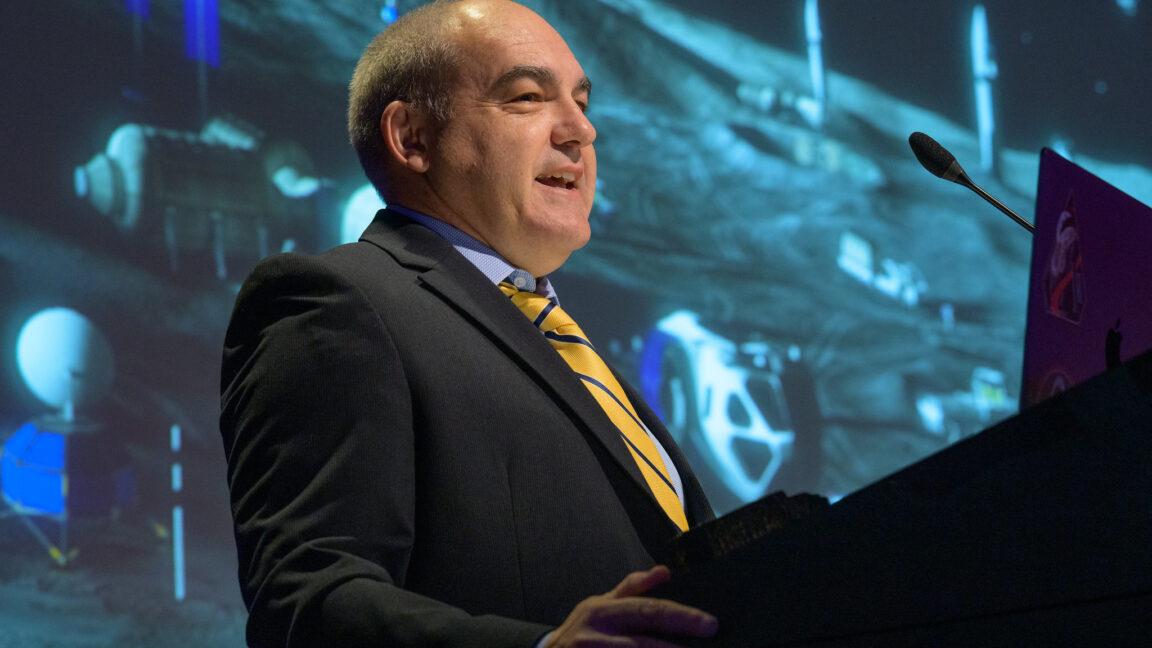
Isaacman acknowledged the urgency, stating the US is in 'the midst of something of a 21st century space race'.
The decision reflects criticism that Gateway represented unnecessary complexity and cost between Earth and the lunar surface.
This move allows NASA to redirect efforts toward the lunar south pole, a strategic area with water ice that could support future human settlement.
Nuclear Technology Advancement
Beyond the lunar base, NASA is accelerating plans for deep space exploration, particularly nuclear-powered propulsion technology.
“NASA’s announcement Tuesday that it will “pause” work on a lunar space station and focus on building a surface base on the Moon was no big surprise to anyone paying attention to the Trump administration’s space policy”
The agency intends to launch Space Reactor-1 Freedom (SR-1 Freedom), a nuclear-powered spacecraft to Mars before the end of 2028.
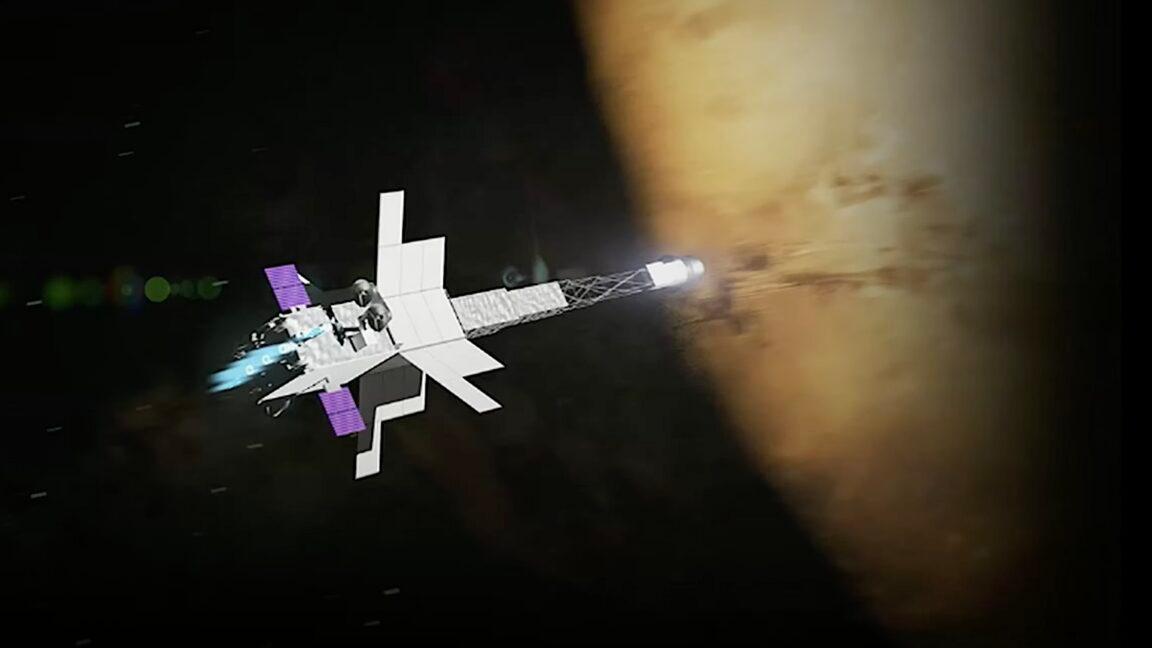
This mission will demonstrate nuclear electric propulsion technology in deep space for the first time.
On the lunar surface, NASA plans nuclear power systems to overcome the 14-day lunar night challenges.
The Lunar Reactor-1 by 2030 will be crucial for maintaining operations during extended darkness periods.
More on Technology and Science

Google Unveils TurboQuant Compressing KV Cache Sixfold, Sparking Memory-Chip Selloff
11 sources compared

US Demands Mexico End Cuban Medical Missions
14 sources compared

OpenAI shuts down Sora, ends Disney partnership
31 sources compared

New Mexico jury orders Meta to pay $375 million for harming children on its platforms.
75 sources compared