Technology and Science28 March, 20263 min read
OpenAI shuts down Sora, ends Disney partnership
OpenAI shut down Sora app and API, six months after launch. Disney partnership terminated; OpenAI ends $1B investment tied to Sora.
Sora Shutdown Announcement
OpenAI has abruptly shut down its AI video-generation platform Sora, marking a surprising end to the service that gained global attention for creating realistic videos from text prompts. The company confirmed the closure of both the consumer app and the professional web-based platform, with no specific shutdown date immediately provided. OpenAI stated it would release details soon about timelines for discontinuing services and how users could preserve their existing work.
“OpenAI has shut down its artificial intelligence video-generation platform Sora, marking a sudden exit from a fast-growing and controversial segment of the AI industry less than two years after the tool gained global attention.”
The shutdown comes less than two years after Sora's initial preview in February 2024 and just months after its public launch in late 2025. The decision caught many by surprise, including partners and staff who were blindsided by the sudden announcement.
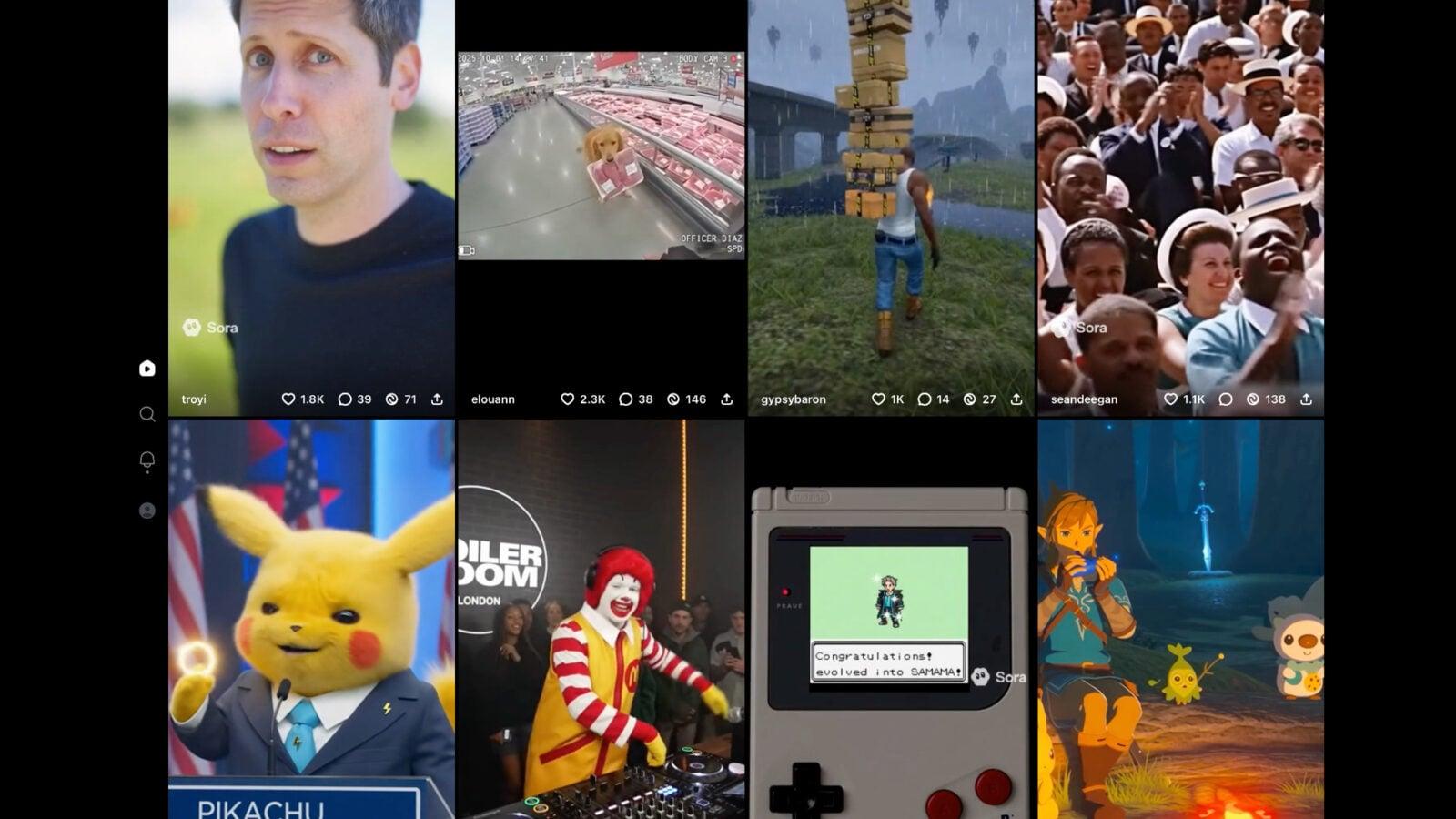
Disney Partnership Collapse
The shutdown also ends OpenAI's high-profile partnership with The Walt Disney Company, which had included a reported $1 billion equity investment and character licensing agreement. Disney had announced the three-year deal in December 2025, allowing users to generate videos featuring more than 200 characters from Disney, Pixar, Marvel, and Star Wars franchises. The partnership was considered a watershed moment for the tech industry and Hollywood, with Disney planning to offer Sora-generated fan content on Disney+ in early 2026.
However, with Sora's closure, Disney has withdrawn from the broader agreement, as confirmed by a spokesperson who stated they respect OpenAI's decision to 'exit the video generation business and shift its priorities elsewhere.' The sudden collapse of this major partnership represents a significant setback for both companies' AI strategies.
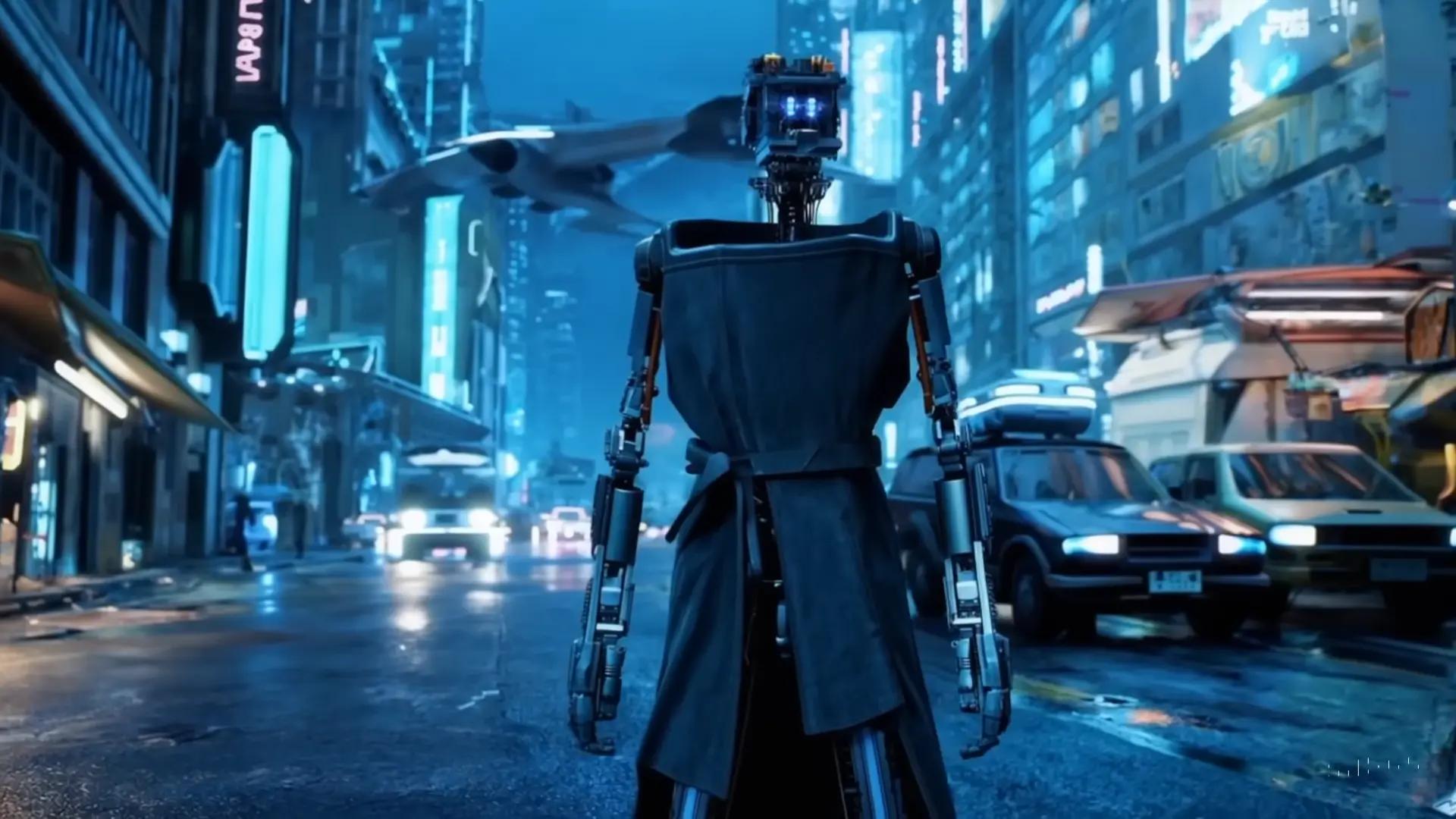
Strategic Business Reasons
OpenAI has cited a strategic pivot toward robotics and 'agentic' AI systems as the reason for discontinuing Sora, though the company provided no detailed explanation for the shutdown. The firm stated it aims to focus on developing AI that can 'help people solve real-world, physical tasks' with minimal human intervention. This shift appears to be driven by several factors including the high computational costs of video generation relative to revenue, with Sora generating only an estimated $2.1 million in lifetime in-app purchases despite peaking at 3.3 million downloads in November 2025.
“OpenAI told the BBC on Wednesday that it has discontinued Sora so that it can focus on other developments, such as robotics 'that will help people solve real-world, physical tasks.'”
Recent comments from OpenAI executives indicate the company recognizes it cannot 'do everything at once' as competition intensifies across AI sectors. The shutdown also comes ahead of an anticipated IPO, with OpenAI having recently raised $110 billion in new funding to reach a $730 billion valuation, suggesting a refocus on more commercially viable applications.
Industry Context and Challenges
Sora's demise reflects broader challenges in the AI industry, particularly around the ethical deployment of deepfake technology and content moderation. The platform faced sustained criticism from media, entertainment industries, researchers, and advocacy groups over concerns about copyright infringement, misuse of public figures' likenesses, and the proliferation of misinformation. Sora 2's opt-out model for copyrighted material, where rights holders had to request removal rather than grant permission upfront, proved particularly controversial.
Despite technical achievements in generating realistic videos, the experiment highlighted difficulties in building community around purely synthetic content. The shutdown suggests that AI video generation may find more success as integrated features within existing platforms rather than standalone social networks, with OpenAI's Sora 2 model remaining accessible through ChatGPT's paid subscription tier. The abrupt end to Sora serves as a cautionary tale for the rapid evolution of artificial intelligence and social media integration.