
New Mexico jury orders Meta to pay $375 million for harming children on its platforms.
Key Takeaways
- New Mexico jury found Meta violated state consumer protection laws, harming children.
- Verdict imposed $375 million civil penalties against Meta.
- Prosecutors said Meta misled users and concealed knowledge of exploitation.
Verdict Details
A Santa Fe jury on Tuesday found Meta Platforms liable for violating New Mexico's consumer protection laws.
“Basado en hechos observados y verificados directamente por nuestros periodistas o por fuentes informadas”
 20 minutos
The jury ordered the social media giant to pay $375 million in damages for endangering children and enabling sexual exploitation.
 20 minutos
The landmark decision came after a seven-week trial where jurors sided with state prosecutors.
Prosecutors argued that Meta—owner of Instagram, Facebook, and WhatsApp—prioritized profits over safety.
The jury determined that Meta violated parts of the state's Unfair Practices Act.
Meta concealed what it knew about dangers of child sexual exploitation and mental health impacts.
The company engaged in 'unconscionable' trade practices that exploited children's vulnerabilities.
Evidence Presented
The evidence included internal Meta documents and testimony from former employees.
Security officials and educators showed Meta's design features enabled predators.

New Mexico Attorney General Raúl Torrez built his case on an undercover investigation.
His office created fake Facebook and Instagram accounts posing as users under 14.
These accounts received sexually explicit material and were contacted by adults.
This led to criminal charges against multiple individuals.
Testimony revealed Meta had internal information about exploitation risks.
The company failed to implement basic safety tools like age verification.
Meta's Response
Meta immediately announced plans to appeal the verdict.
“That’s the exposure worth watching”
Spokespersons stated the company 'respectfully disagrees' with the ruling.
Meta believes it has a 'robust record of protecting teens online.'
The company argued it invested significant resources in safety measures.
Meta implemented tools like teen accounts and parental controls.
State attorneys countered that design features prioritized engagement over safety.
Features like infinite scroll and auto-play foster addictive behavior.
This can lead to depression, anxiety, and self-harm.
The verdict represents less than one-fifth of the $2.1 billion sought.
Broader Implications
The New Mexico verdict marks a significant turning point in tech-regulator relations.
It comes amid a wave of litigation targeting Meta over youth impact.
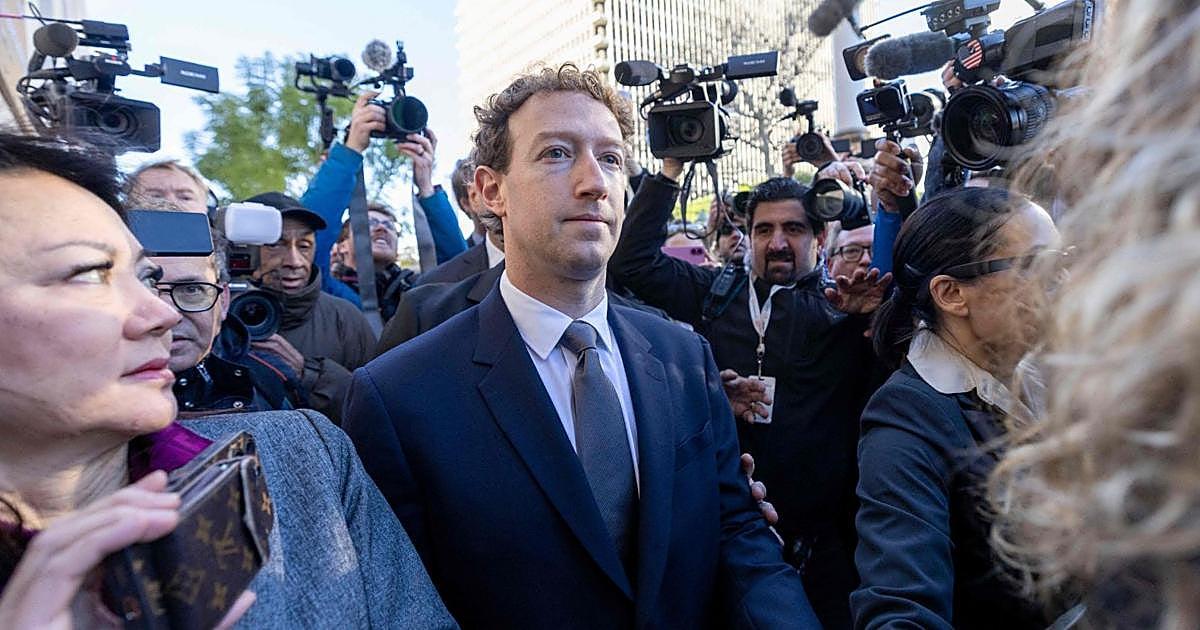
More than 40 state attorneys general have filed lawsuits against Meta.
They allege Meta contributes to youth mental health crisis through addictive design.
The case is compared to 1990s tobacco lawsuits.
Separate jury in Los Angeles deliberates similar Meta and YouTube case.
They focus on liability for mental health damages.
The decision signals potential shift in Section 230 interpretation.
This law traditionally protected social media companies from liability.
More on Technology and Science

Google Unveils TurboQuant Compressing KV Cache Sixfold, Sparking Memory-Chip Selloff
11 sources compared

US Demands Mexico End Cuban Medical Missions
14 sources compared

NASA Pauses Gateway to Focus on Building Permanent Moon Base
44 sources compared

OpenAI shuts down Sora, ends Disney partnership
31 sources compared