Trump Administration Waives Iranian Oil Sanctions for 30 Days to Ease Global Energy Prices
Key Takeaways
- 30-day waiver authorizes sale and delivery of Iranian oil already at sea.
- Waiver could add about 140 million barrels to global supply to ease prices.
- This is the third temporary waiver in two weeks amid the US-Israel war with Iran.
Sanctions Waiver Scope
The Trump administration has issued a temporary 30-day waiver allowing the sale of Iranian oil already loaded on tankers.
“TRUMP’S SURPRISE IRAN OIL U-TURN: 30-Day Waiver Unlocks 140M Barrels: Will IT LOWER OIL PRICES”
US Treasury Secretary Scott Bessent announced the authorization permits purchases of sanctioned Iranian crude until April 19, 2026.
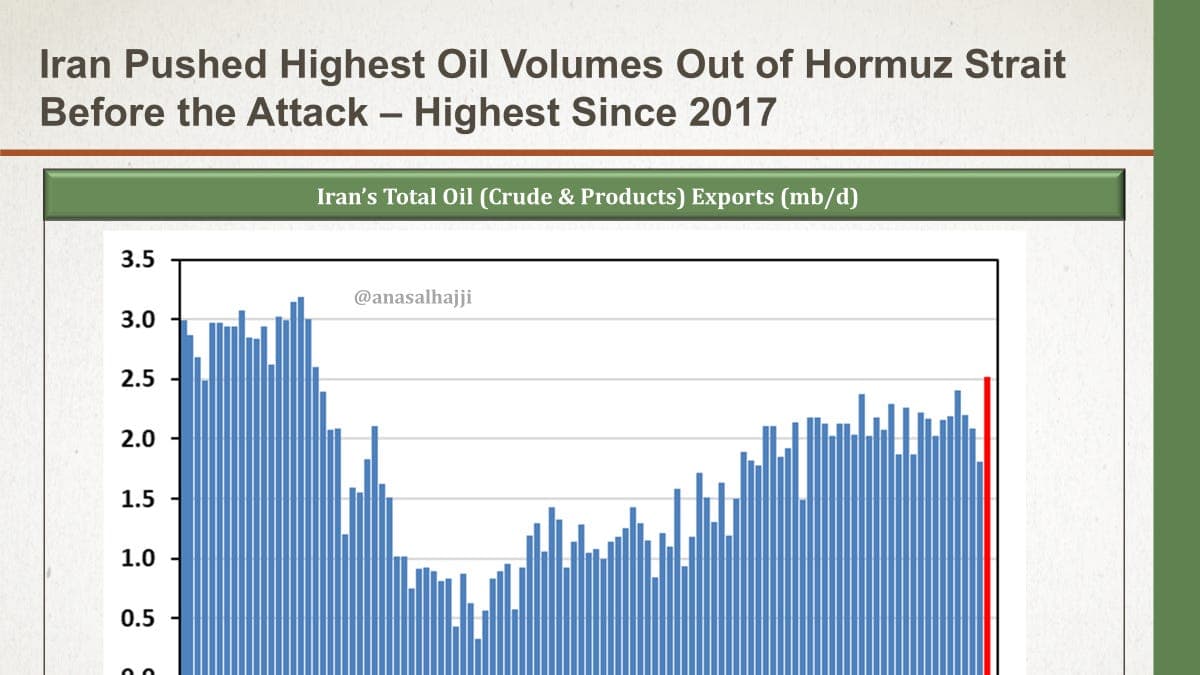
The waiver applies exclusively to oil that was loaded before March 20, representing a narrow exception to sanctions.
The measure is expected to unlock approximately 140 million barrels of Iranian oil currently in floating storage and transit.
This provides a temporary boost to global energy markets while maintaining Washington's broader sanctions framework.
Energy Market Pressures
The waiver comes amid escalating energy market pressures driven by the ongoing conflict in the Middle East.
Oil prices have surged above $100 per barrel since late February, representing approximately a 50% increase.
The Trump administration framed the decision as a response to supply disruptions caused by Iran's actions around the Strait of Hormuz.
The Strait of Hormuz handles roughly 20% of global oil and liquefied natural gas supplies.
Treasury officials emphasized the move was narrowly tailored to address immediate market concerns while continuing military operations.
Bessent declared that 'we will be using the Iranian barrels against Tehran to keep the price down as we continue Operation Epic Fury.'
Strategic Sanctions Approach
The waiver represents a pragmatic shift in US sanctions enforcement that mirrors recent flexibility shown toward Russian oil.
“WASHINGTON - The Trump administration on Friday (March 20) issued a 30-day sanctions waiver for the purchase of Iranian oil at sea to ease energy supply pressures since the start of the US-Israeli war on Iran, US Treasury Secretary Scott Bessent said”
It marks the third sanctions relaxation in roughly two weeks, indicating a pattern of strategic compromise.
The measure is carefully circumscribed to avoid undermining Washington's broader 'maximum pressure' campaign against Iran.
Treasury officials stressed that the authorization does not permit new purchases or production.
The waiver excludes deliveries to Cuba, North Korea, and Russian-occupied areas of Ukraine.
It maintains restrictions on Iran's access to international financial systems.
Analysts suggest the move could provide modest, short-term relief to Iran's oil revenues.
The administration demonstrates willingness to balance geopolitical objectives with economic stability concerns.
Iranian Response & Market Impact
Iran has quickly disputed the US characterization of 'unlocking' surplus supplies.
Oil Ministry spokesperson Saman Ghoddoosi rejected the claim that Tehran has 'no surplus crude oil left on the water'.

Iranian officials dismissed the Treasury announcement as merely 'giving hope to buyers'.
They suggested Washington was overstating the available supply to justify the waiver.
Market analysts question the waiver's effectiveness given ongoing disruptions in global energy flows.
The shutdown of the Strait of Hormuz and attacks on regional infrastructure remain major concerns.
Global oil benchmarks strengthened following the announcement but remained below $120-per-barrel.
Brent crude settled 3.26% higher at $112.19 and West Texas Intermediate rose 2.27% to $98.32.
Geopolitical Balancing Act
The waiver reflects the complex balancing act faced by the Trump administration in managing energy markets.
“Gift this articleShare to FacebookPrint article Article printing is available to subscribers only Print in a simple, ad-free format Subscribe Comments: SaveZen Reading Zen reading is available to subscribers only Ad-free and in a comfortable reading format Subscribe”
Treasury Secretary Bessent highlighted that China has been building up discounted Iranian oil supplies.

The stranded cargoes represent a temporary buffer for other markets.
The move follows earlier steps by the Trump administration to release oil from US strategic reserves.
It also includes easing restrictions on Russian oil and accelerating domestic crude flows.
These efforts aim to stabilize global energy prices ahead of the November midterm elections.
The administration maintains Iran will face difficulties accessing meaningful revenue from these transactions.
The waiver demonstrates limits of sanctions enforcement when facing immediate economic and political pressures.
More on USA

California lawmakers rename Cesar Chavez Day to Farmworkers Day amid sexual abuse allegations.
17 sources compared

Robert Mueller Dies at 81; Former FBI Director
73 sources compared
Trump threatens to deploy ICE to airports amid DHS shutdown
13 sources compared

U.S. Deploys 2,500 Marines, 3 Warships to the Middle East as Iran Escalates
13 sources compared