USA21 March, 20262 min read
U.S. Deploys 2,500 Marines, 3 Warships to the Middle East as Iran Escalates
Three U.S. warships are being sent to the Middle East. About 2,500 Marines are being deployed to the region.

Military Deployment Escalation
The United States has deployed a significant military force to the Middle East amid escalating tensions with Iran. The USS Boxer and two other amphibious assault ships are carrying 2,500 Marines from the 11th Marine Expeditionary Unit. This deployment represents a major escalation in the ongoing conflict, occurring approximately three weeks ahead of schedule.
“The US has sent additional naval assets, including the USS Boxer, along with two other amphibious ships from San Diego. These vessels are carrying nearly 2,500 Marines from the 11th Marine Expeditionary Unit, a rapid-response force designed for combat and crises.”
The Marines, historically nicknamed 'Devil Dogs,' are part of a rapid-response force designed for combat and crises. This brings the total number of Marines recently ordered to the region to nearly 5,000. The accelerated deployment signals a strategic shift from aerial bombardments to establishing physical maritime presence.

Strategic Hormuz Focus
The US military deployment is strategically focused on reopening the Strait of Hormuz. Iran has effectively closed this critical oil shipping lane since the U.S.-Israel strikes nearly three weeks ago. Military analysts suggest the Marine forces could secure strategic territory like Iran's Kharg Island oil terminal.
Kharg Island handles approximately 90% of Iran's oil exports. According to Axios, the US is considering plans to occupy Kharg Island to pressure Iran.

Oil prices have risen about 50% since the start of the war. The US military has intensified assaults against Iranian drones and naval vessels in the contested sea lanes.
Trump's Contradictory Stance
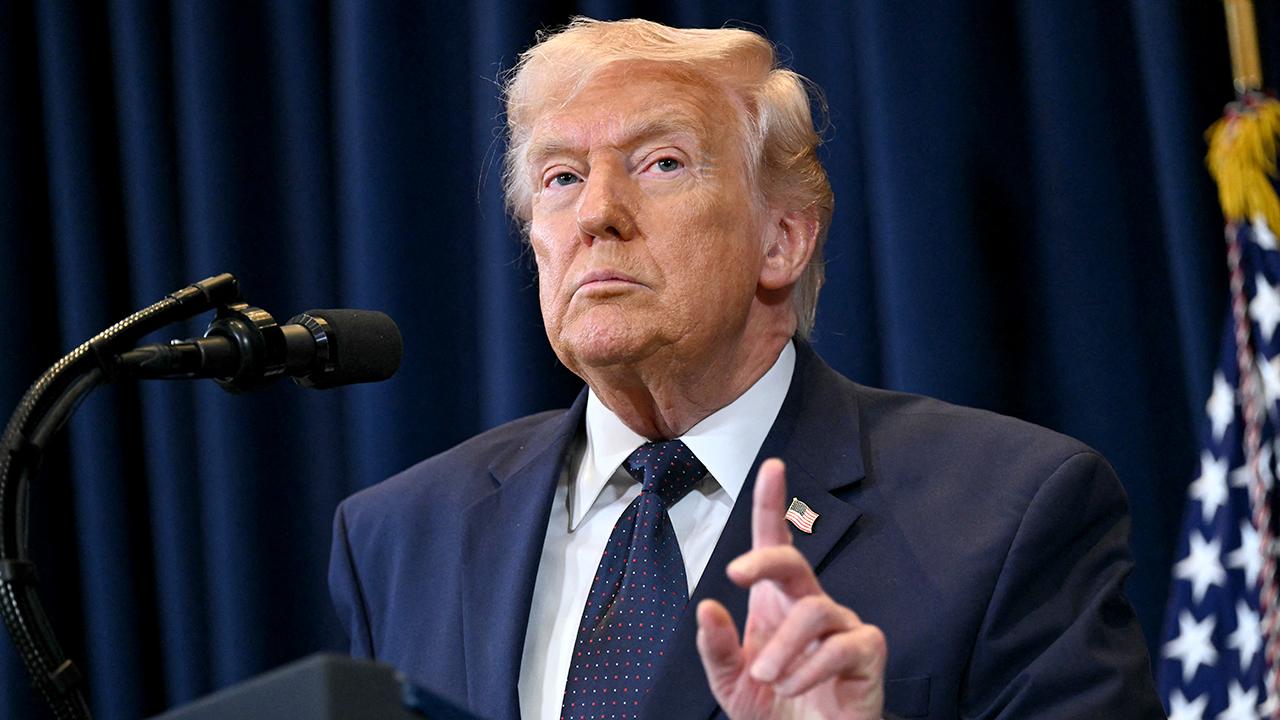
President Trump has maintained contradictory stances on the military escalation. He simultaneously criticized NATO allies as 'cowards' while suggesting the conflict might be winding down. Trump attacked European partners for refusing to help defend the Strait of Hormuz.
“Trump on Friday called NATO countries 'cowards' for rejecting his demands that they help defend the Strait of Hormuz, a critical shipping lane that Iran has effectively closed, raising energy prices globally.”
He called securing the waterway 'a simple military maneuver ... so easy and so risk-free.' However, Trump suggested responsibility for securing the waterway may soon fall to other countries. Despite diplomatic overtures, Trump firmly ruled out an immediate ceasefire.
He claimed US military operations have been highly successful against Iran. Trump asserted that Iran 'may never be able to rebuild' if it refuses to capitulate on nuclear weapons.
Iran's Escalating Response
Iran has responded to the US military buildup with increasingly defiant rhetoric. Iranian Armed Forces Spokesperson Abolfazl Shekarchi warned that tourist sites worldwide could be targeted. Iran's new Supreme Leader Mojtaba Khamenei claimed Iran dealt enemies a 'dizzying blow.'
Khamenei set the upcoming year's slogan as 'Achieving Economic Resilience Under the Shelter of National Unity and National Security.' The Islamic Revolutionary Guard Corps launched the 68th wave of attacks under Operation 'True Promise 4.'

Iran used missiles and attack drones to strike targets in Israel and US military bases. Iran has arrested 45 individuals suspected of treason and espionage for the US and Israel.
Domestic Political Risks
The escalating military deployment faces significant domestic political challenges in the United States. Public opinion turns against further military involvement in the Middle East. A Reuters/Ipsos poll showed 65% of Americans believe Trump would order troops into Iran, but only 7% support this idea.
“A Reuters/Ipsos poll, completed on Thursday, showed that about 65% of Americans believe that Trump would order the mobilization of troops into a large-scale ground war in Iran, and only 7% support this idea.”
This widespread opposition creates substantial political risks for the administration. The deployment represents a significant shift toward establishing sustained physical military presence. Marine Expeditionary Units are trained for rapid crisis management and various contingency scenarios.
