Global Politicsupdated 23m ago2 min read
Photo · 19 November 2026Trump, Putin, Xi Issue Shenzhen Declaration Toward Peace, UN Reform and Nuclear Risk Reduction
“its accomplishments fell well short of the historical significance attributed to it.”
“represents a positive step towards opening channels of communication and avoiding direct confrontation”
Photo: The White House / US federal government, Public domain · Cropped for layout
This article is an automated aggregation of coverage from news outlets. Our editorials offer in-depth analysis curated by the NewsCord team.
Xi, Trump and Putin endorsed UN reform and nuclear risk reduction in Shenzhen summit statement Leaders discuss multipolar global order and energy supply commitments arising from the meeting
Save coverage image
Shenzhen peace vision
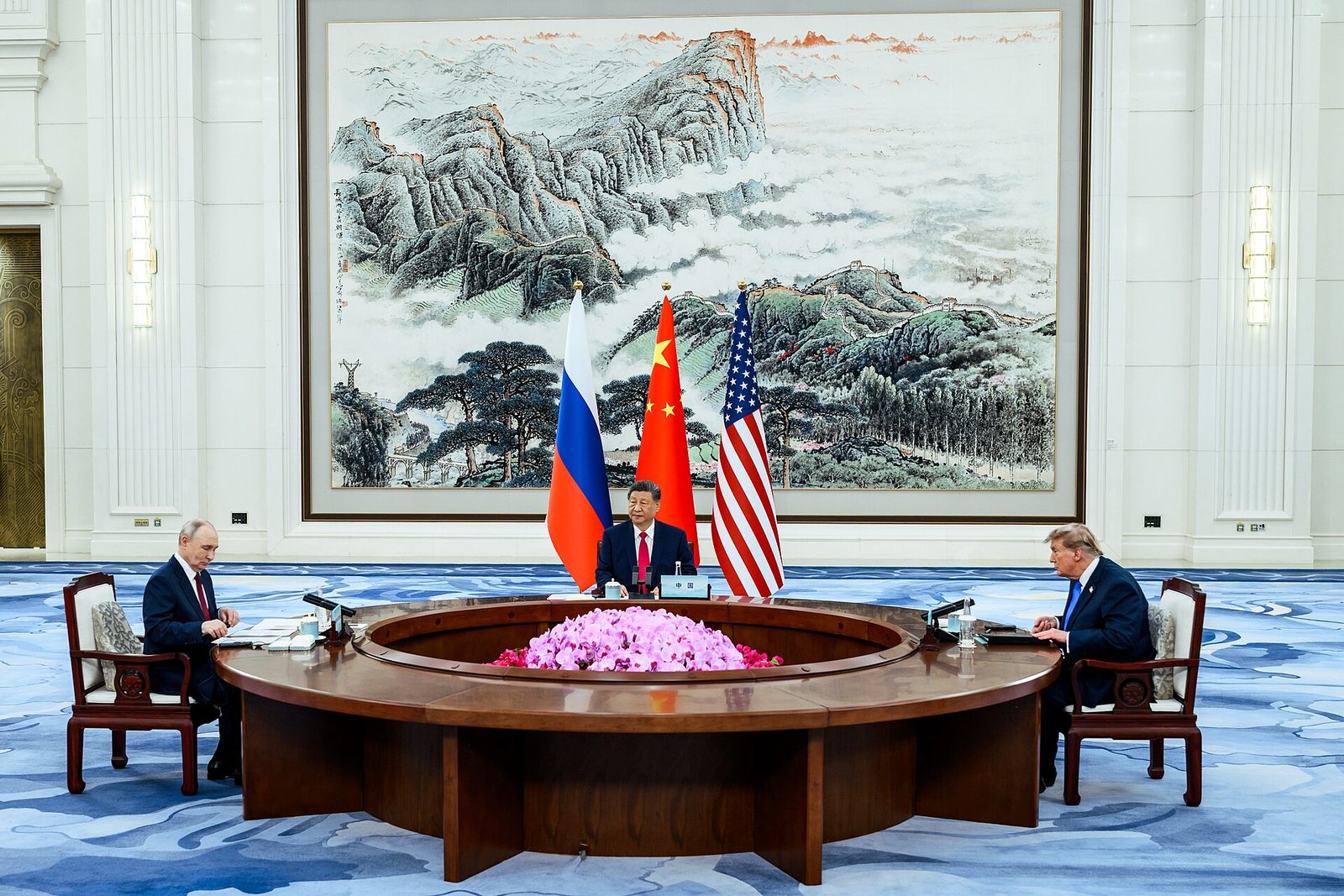
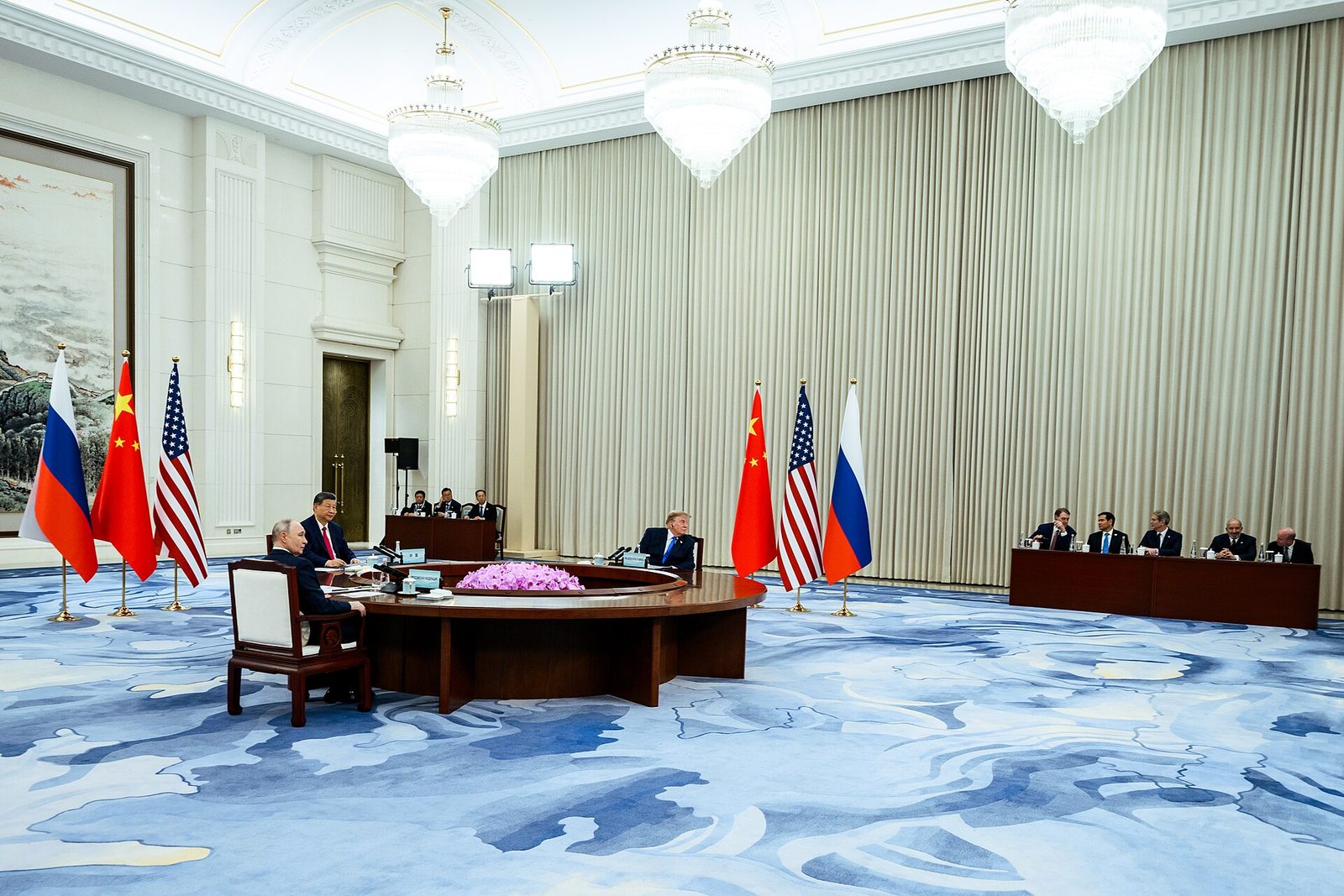
Three leaders, Donald Trump, Vladimir Putin, and Xi Jinping, met in Shenzhen on 19 November 2026 for a ninety-minute engagement that produced a joint “Declaration toward Peace.” The Shenzhen Declaration addressed reform of the United Nations, stabilisation of global energy supplies, nuclear risk reduction and the jurisdiction of the International Criminal Court (ICC), while it omitted explicit reference to the war in Ukraine and the war in Iran.
The declaration’s silence on those wars “speaks volumes about the character and political compulsions of contemporary great-power diplomacy,” even as it argued that a meeting of leaders of three major nuclear powers is preferable to continued confrontation. Newsweek reported that Trump shared a Yalta comparison featuring himself, Xi and Putin, and it quoted Putin saying, “I want to emphasise this, and I want to be perfectly clear: there was no division of the world into 'spheres of influence' at Yalta,” according to Reuters.
Debate over Yalta 2.0
Modern Diplomacy described analysts and think tanks as divided on whether the Shenzhen summit prevented a world divided into spheres of influence, with some European and Asian capitals expressing concerns about deals struck behind the backs of allies and middle powers.
The summit’s final statement avoided the most complex issues and offered a general declaration of peace without concrete solutions to major crises such as the war in Ukraine, tensions with Iran, or the Taiwan issue.
مجلة المجلة framed the summit as a platform that let Vladimir Putin promote Russia as a global power while imposing “no practical obligations” on him to end the war in Ukraine.
Newsweek quoted Andrii Sybiha dismissing the parallel, writing on X that “Shenzhen is not the Yalta of Putin's dreams,” and it also quoted Merz saying, “At Yalta, Europe was divided up. And we won't allow anything like that to happen again.”
UN reform and next steps
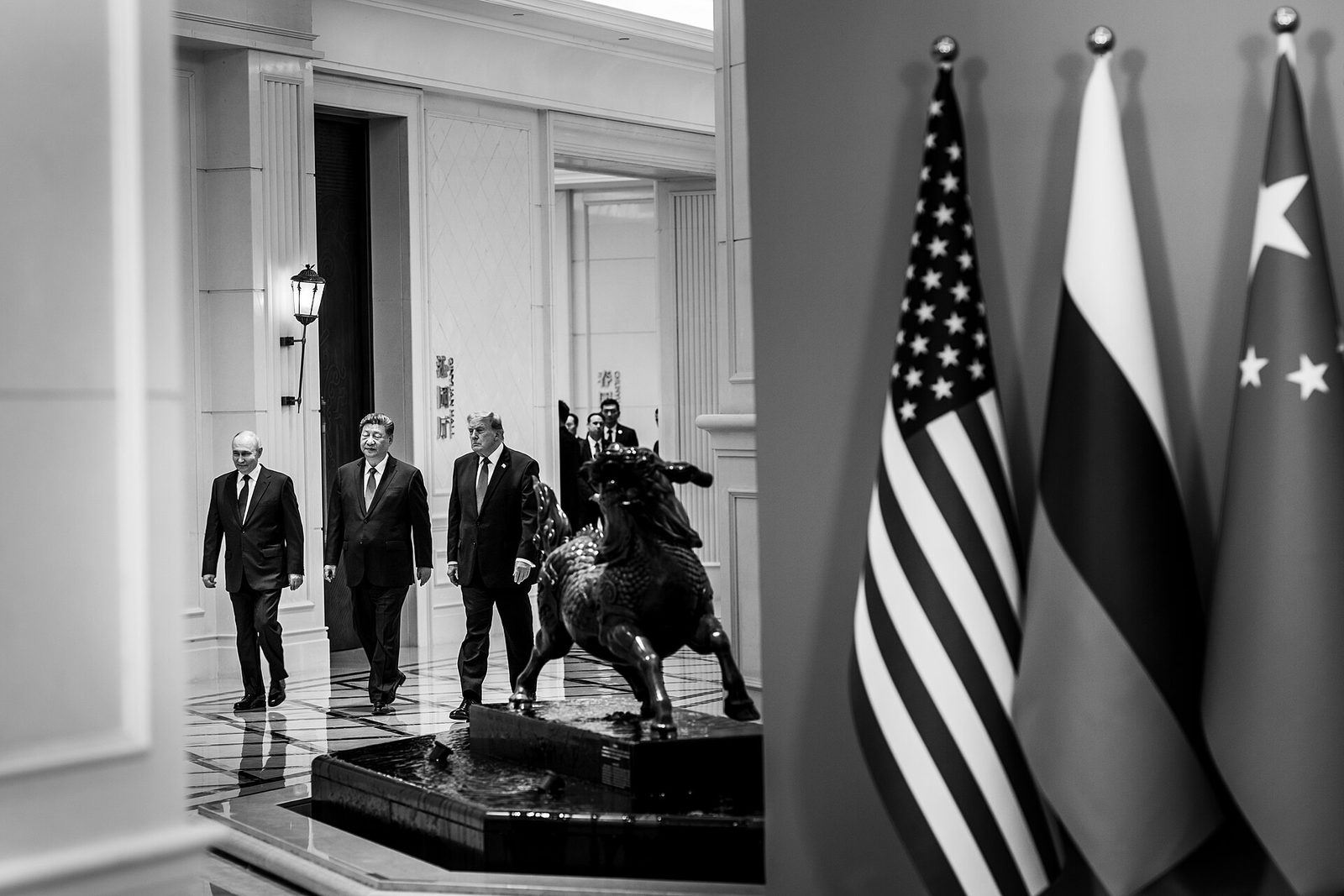
The leaders emerged after around 80 minutes of talks with commitments to reform the United Nations, increase the production and supply of refined petroleum products, and hold discussions on reducing nuclear risks. India’s long-standing demand for a permanent seat on the Security Council tied the UN reform question to the summit, and China and Pakistan opposition remained among the biggest obstacles, with China’s then Permanent Representative Zhang Jun warning that a negotiating text or timetable could lead to “conflicts” and even “derail the process.”
The Shenzhen Declaration broadly addressed nuclear risk reduction but produced “no specific commitment regarding nuclear disarmament, limitations on the deployment of weapons, verification mechanisms or a timetable for negotiations.” The agreement offered no settlement for Russia's ongoing war in Ukraine or the U.S. conflict with Iran, while Xi said, “History tells us that peace among major countries brings stability to the world, while their contention would only lead to chaos in the world,” according to China’s foreign ministry.