Global Politicsupdated 13m ago2 min read
Archive photo · 5 August 2024ICJ Rules Myanmar Committed Genocide Against Rohingya, Orders Measures To Repair Damages
“The court did not directly lower the standard for demonstrating genocide”
“in part, harmed Israel’s ability to mount a defense by lowering the standard of proof needed”
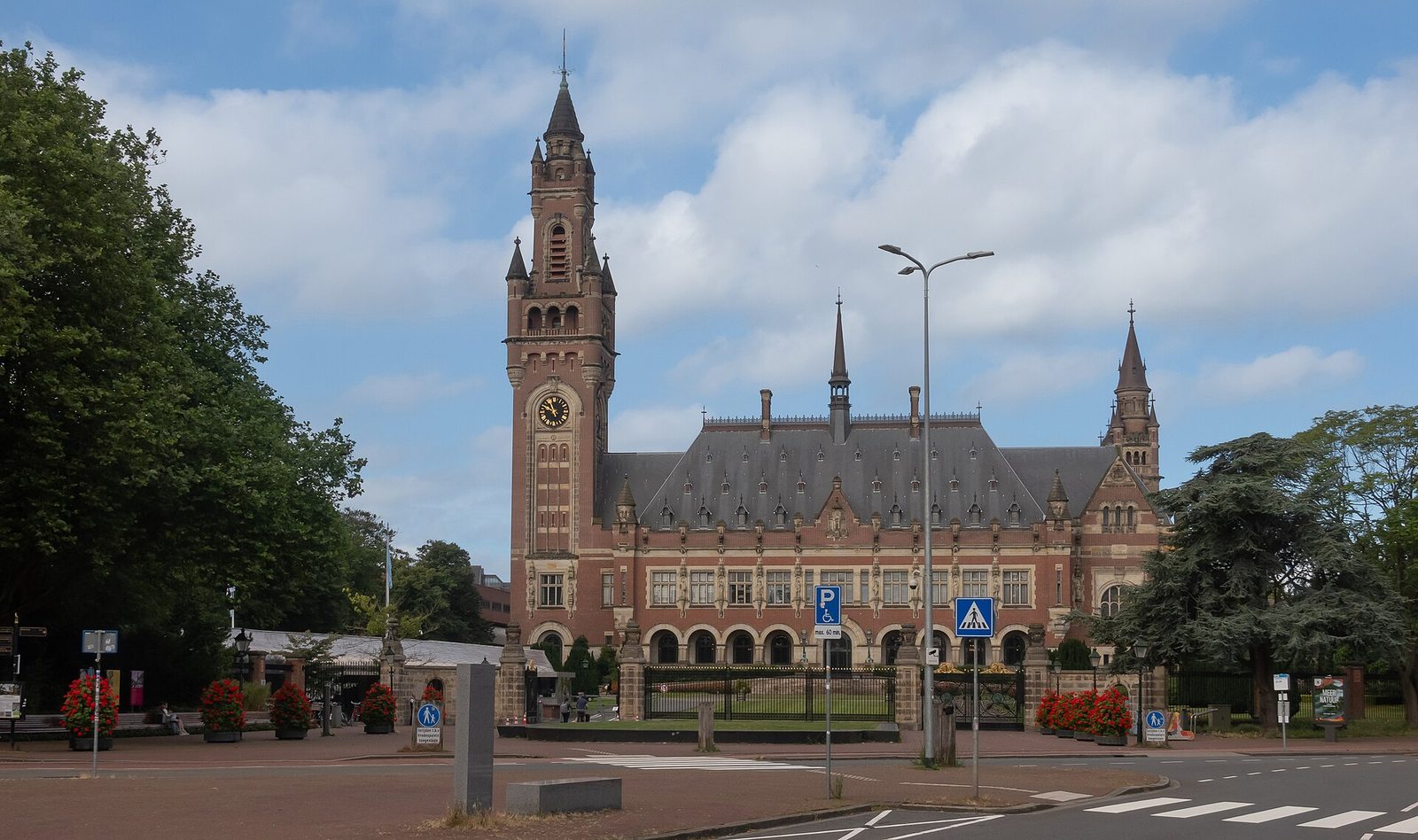
Photo: Michielverbeek, CC BY 4.0 · Cropped for layout
This article is an automated aggregation of coverage from news outlets. Our editorials offer in-depth analysis curated by the NewsCord team.
Myanmar found guilty of genocide against Rohingya by ICJ Court ordered measures to repair damages, investigate perpetrators, and facilitate return
Save coverage image
ICJ rules genocide
The International Court of Justice ruled on Thursday that Myanmar, also known as Burma, “committed genocide against the Rohingya group” during the 2017 military crackdown in northern Rakhine state. ICJ president Yuji Iwasawa told the court that “the only reasonable inference that can explain Myanmar’s actions is the intention to destroy a substantial part” of the Rohingya population. The ICJ said its evidence showed Myanmar forces killed 10,000 Rohingya people, perpetrated widespread acts of sexual violence, and carried out acts of extreme violence against children.
The ICJ also found that Myanmar attacked Rohingya as they sought to flee in large numbers to Bangladesh, where more than 730,000 Rohingya crossed the border. The ICJ’s decision was adopted by a 9-6 vote, and it ordered measures to repair damages and facilitate the return of displaced Rohingya.
Reactions and denials
Gambia urged Myanmar to comply “fully and without delay” after the ruling, and the Gambia case was brought under the 1948 United Nations Convention on the Prevention and Punishment of the Crime of Genocide. Special Advisory Council for Myanmar founding member Yanghee Lee said the verdict was a “deeply emotional day for all Rohingya people” and added that “justice has been decided, but not yet delivered.” Myanmar’s representative Ko Ko Hlaing defended the crackdown as a response to attacks on police posts by insurgents, and he told the judges during the January hearings, “Burma was not obliged to remain impassive and allow terrorists to act with impunity.”
Human rights lawyer Toby Cadman said the ICJ’s genocide threshold remained high, telling Al Jazeera that “the court is guided by the genocide convention and what the genocide convention states and it is a high threshold.” A Rohingya survivor, Mohammed Osman, expressed hope that the ruling would let him return home to perform the last rites for his parents and his younger brother, whom he said were murdered by the Burma Army.
What happens next
The ICJ ordered Myanmar to provide reparations and restitution, including facilitating the safe and voluntary return of Rohingya, returning or replacing collective property damaged, and ensuring proper burials. The ICJ also required Myanmar to provide for the physical and psychological rehabilitation of those mentally injured and to ensure the population’s protection from persecution, as Yuji Iwasawa read out the measures. The BBC said the judgment is largely symbolic because the ICJ “does not have the power to enforce it,” while the court’s rulings are final and cannot be appealed.
The ruling could affect other pending cases, and the BBC said the ICJ does not have enforcement mechanisms to compel its decisions, while Human Rights Watch warned that the court’s approach could shape “current and future procedures relating to similar lawsuits.” CNN said many Rohingya remain stranded in Bangladesh with little hope of returning home, even as the verdict marked a historic moment for survivors.