Asiaupdated 17m ago2 min read
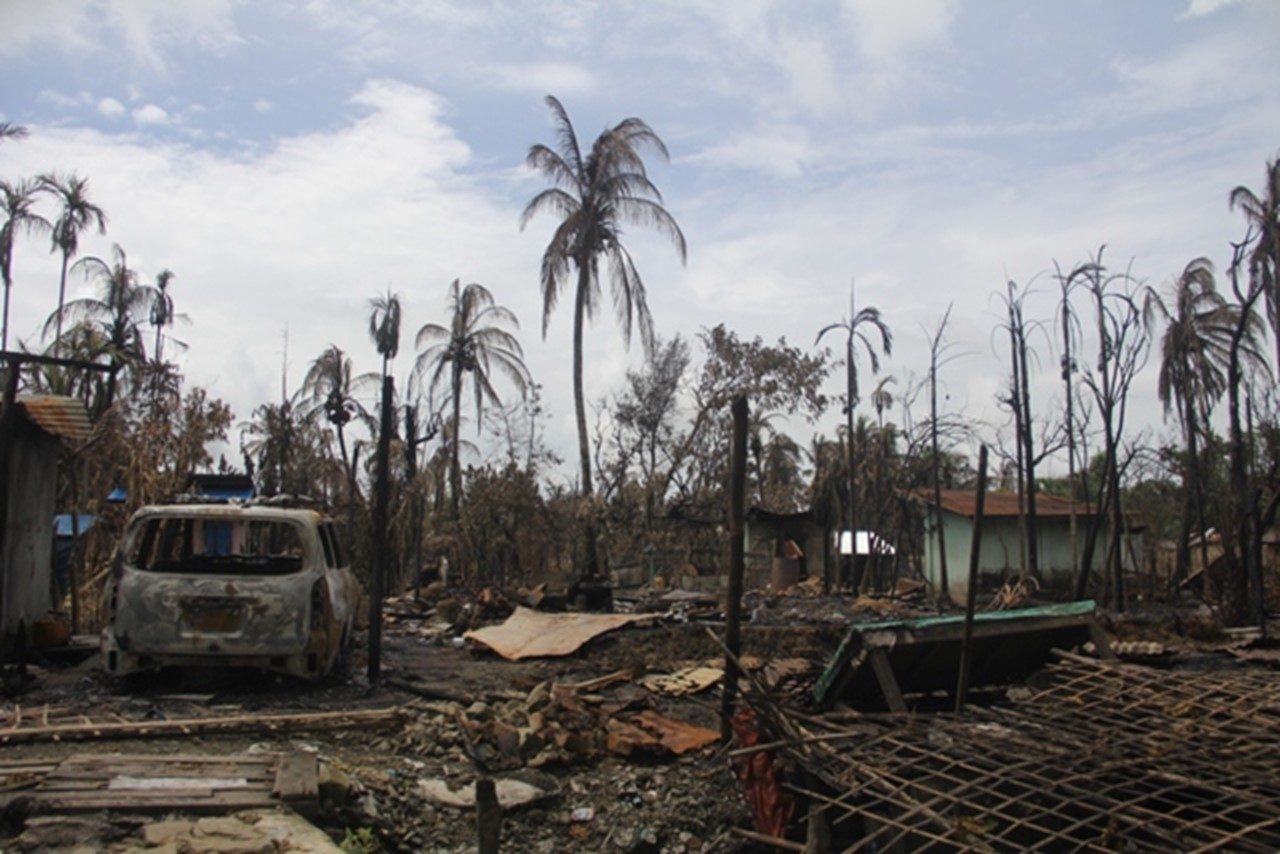
Archive photo · 2 September 2017ICJ Rules Myanmar Committed Genocide Against Rohingya in Northern Rakhine State
14 Western Mainstream5 West Asian3 Western Alternative2 OtherPhoto: Moe Zaw ( VOA ) / US federal government, Public domain · Cropped for layout
This article is an automated aggregation of coverage from news outlets. Our editorials offer in-depth analysis curated by the NewsCord team.
ICJ ruled Myanmar committed genocide against Rohingya in 2017 Rakhine operations. Court found intent to destroy a substantial part of Rohingya population.
Save coverage image
24 outlets in this story. Read their headlines below.
Outlets did split on Phuket Patong Shophouse Fire Kills 11, Injures 16; Police Investigate Cause →
ICJ verdict on Rohingya
The International Court of Justice ruled that Myanmar committed genocide against the Rohingya group in northern Rakhine State, in violation of its obligations under the Genocide Convention. ICJ President Yuji Iwasawa said the court found that Myanmar “has committed genocide against the Rohingya group in northern Rakhine state, in violation of its obligations under the Genocide Convention”. The ICJ said evidence showed Myanmar forces killed 10,000 Rohingya people, and Iwasawa said the court found genocidal intent in specific cases it referred to.
The ICJ also said Myanmar should have known there was a risk of genocide when armed civilians participated in the military campaign, and it added that Myanmar thus violated its obligation to prevent genocide. The ICJ ordered reparations and restitution, including facilitating the safe and voluntary return of Rohingya and ensuring the population’s protection from persecution.
Evidence, intent, and votes
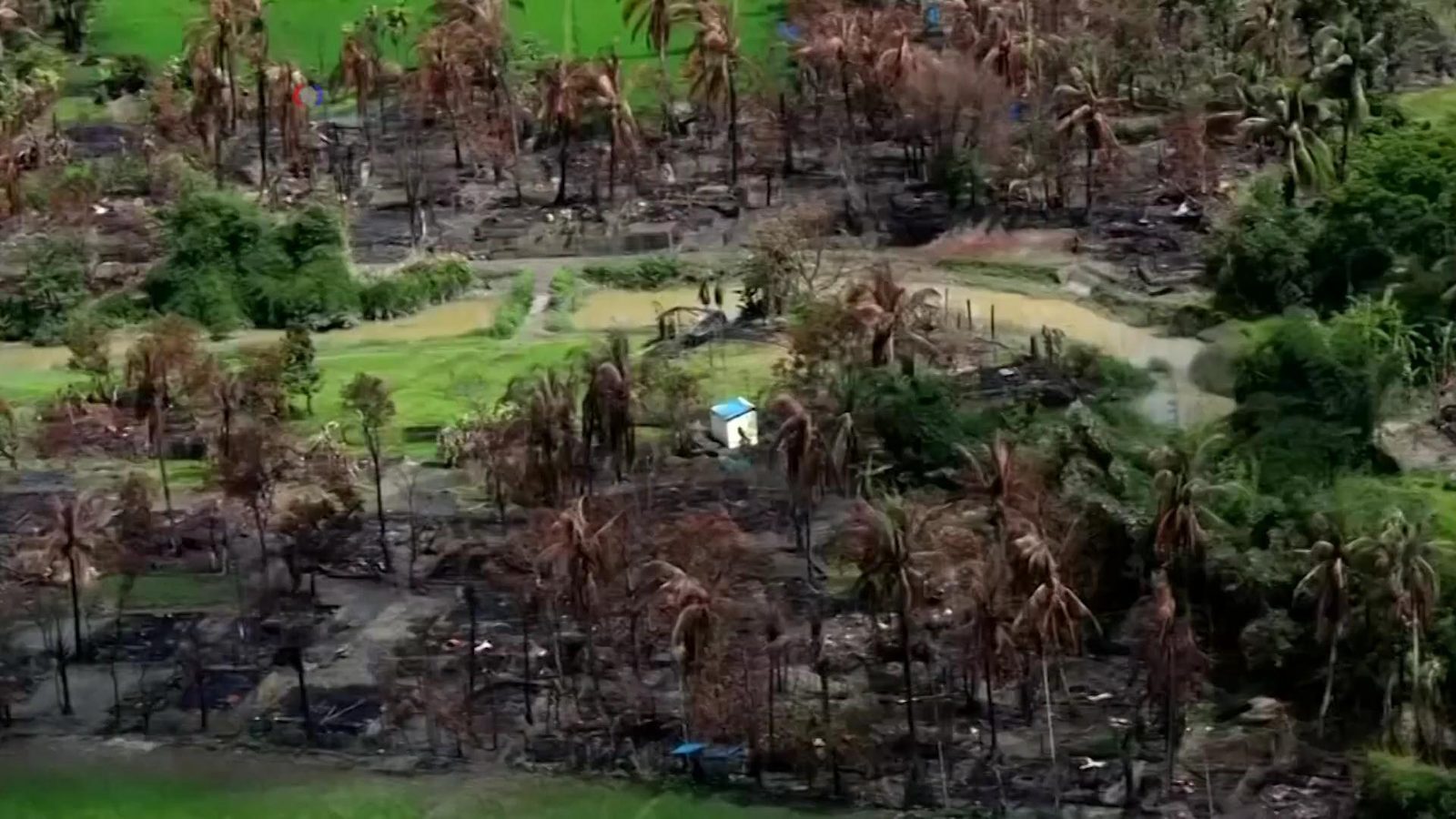
The BBC reported that the verdict was reached by a majority of nine votes to six among a panel of judges from around the world. The BBC said the court found on Thursday that “genocidal intent is the only reasonable inference that can be drawn from the evidence” it had seen. The court’s reasoning included findings that Myanmar’s security forces killed thousands of Rohingya civilians, perpetrated widespread acts of sexual violence, and attacked fleeing Rohingya as they sought to flee in large numbers to Bangladesh.
The BBC said the court determined that around 10,000 Rohingya were “violently killed” during the clearance operation, while more than 700,000 are thought to have fled to Bangladesh by foot or by sea. The BBC added that Myanmar denied genocide and said its forces responded to attacks on police posts by fighters from the Arakan Rohingya Salvation Army (Arsa).
Reparations and global reaction
Amnesty International’s Secretary General Agnes Callamard said the ICJ ruling was “Genocide. This is the unequivocal finding of the ICJ.”
“Genocide. This is the unequivocal finding of the ICJ.”
Callamard said the ruling must serve as a “wake-up call to the international community” and urged the UN Security Council to impose a global arms embargo and refer the situation in Myanmar to the International Criminal Court.
Human Rights Watch’s Maria Elena Viñoli said the ICJ ruling was a “long-awaited acknowledgment of the suffering endured by the Rohingya at the hands of the Myanmar army.”
Viñoli said “Myanmar should take prompt steps to comply with the court’s ruling and end its oppression of the Rohingya,” and she urged governments to ensure the safe and voluntary return of Rohingya refugees to Myanmar.
The ICJ also ordered Myanmar to facilitate safe, voluntary and dignified return and to investigate and, where appropriate, prosecute individual wrongdoing, while the BBC said the court’s decision was without precedent as the first time a state was found responsible for genocide by an international court.