Asiaupdated 14m ago3 min read
Archive photo · 17 August 2018ICJ Rules Myanmar Security Forces Committed Genocide Against Rohingya With Genocidal Intent
14 West Asian11 Western Mainstream3 Asian6 Other source typesPhoto: Txllxt TxllxT, CC BY-SA 4.0 · Cropped for layout
This article is an automated aggregation of coverage from news outlets. Our editorials offer in-depth analysis curated by the NewsCord team.
ICJ ruled Myanmar's 2017 crackdown constituted genocide against Rohingya with genocidal intent. Estimated 10,000 Rohingya killed and widespread sexual violence documented during operations.
Save coverage image
ICJ verdict and courtroom context
The International Court of Justice at The Hague delivered its judgement on Thursday over whether Myanmar committed genocide against the Rohingya, with ICJ President Yuji Iwasawa saying the court found that Myanmar’s security forces killed thousands of Rohingya civilians and perpetrated widespread acts of sexual violence. The ICJ said it concluded that Myanmar’s security forces acted with “genocidal intent” in specific cases it referred to during a three-hour readout of the verdict. The ICJ also said it was the “only reasonable inference” from evidence of widespread atrocities by Myanmar security forces during a 2017 military campaign that they had the intent to destroy a “substantial part” of the Rohingya minority.
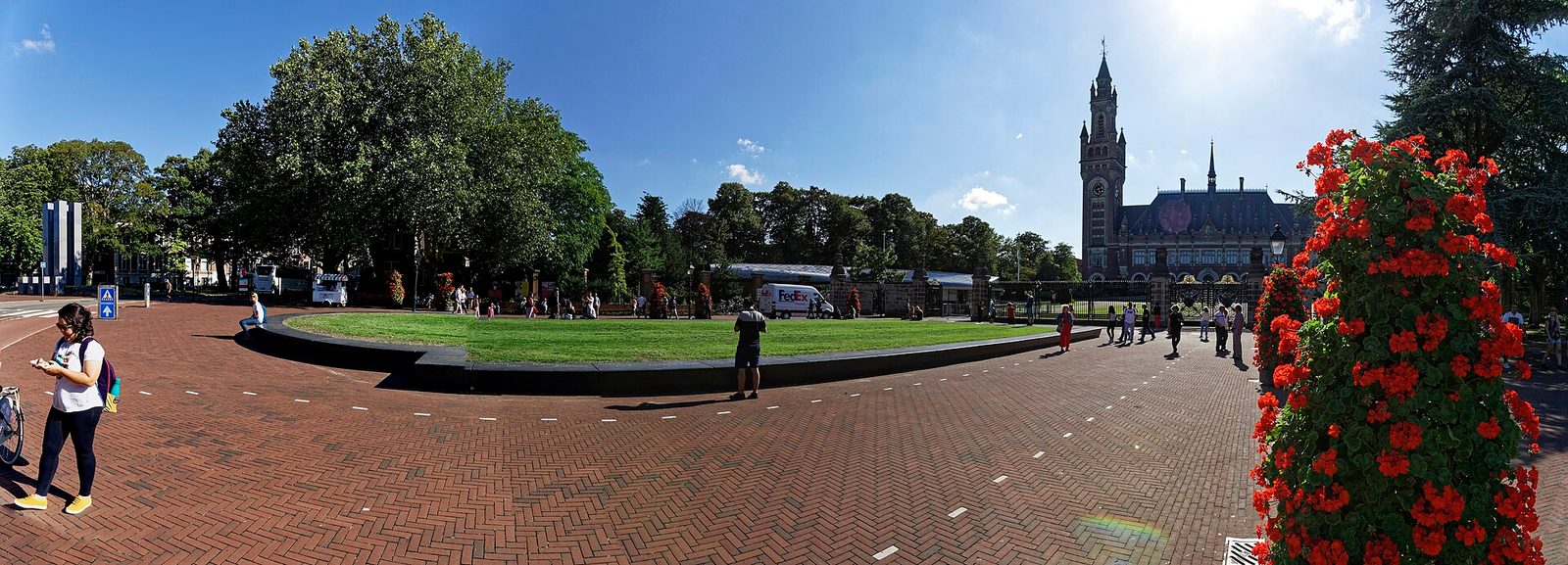
The judgement came as the court considered allegations tied to the 2017 military crackdown that drove more than 730,000 Rohingya to flee to neighbouring Bangladesh. The ICJ’s public hearing was opened by Yuji Iwasawa at the Peace Palace in The Hague, and the session was expected to last about three hours.

Evidence, intent, and disputed incitement
Judge Iwasawa said the court considered that Myanmar engaged in “extensive destruction of evidence” by burning bodies or disposing of them in other ways, and he said it also burned and bulldozed sites where “clearance operations” took place. The BBC reported that the court considered some Facebook military messages “sought to encourage the non-Rohingya population to engage in violence against the Rohingya as a group,” but the court was “not fully convinced” the posts were made with a specific intent to destroy the group in whole or in part. The ICJ said it concluded the commission of genocide against the Rohingya based on circumstantial evidence, and it stated that the majority of members of this minority were targeted with the aim of their elimination.
The ICJ said its findings included imposing restrictions and measures to limit the Rohingya’s ability to reproduce, alongside killing children and targeting civilians, and it also pointed to shootings targeting Rohingya as they attempted to flee. The ICJ said it concluded that the behavior of the security forces was systematic, and it added that it did not miss any opportunity to eradicate the Muslim minority.
What the ruling changes next
The Gambia launched the proceedings at the ICJ, and the case asked the court to rule that Myanmar breached the 1948 Genocide Convention, order Myanmar to end any illegal activities targeting the Rohingya, and ensure those responsible for genocide are punished. The ICJ said it was the “only reasonable inference” from evidence that Myanmar’s security forces intended to destroy a “substantial part” of the Rohingya minority, and the judgement therefore met the legal threshold for genocide described by the court. The ruling left more than 1.3 million Rohingya displaced across South and Southeast Asia, including 1.2 million in sprawling refugee camps in Cox’s Bazar in Bangladesh, according to the United Nations.
The ICJ’s decisions were described as final and legally binding, but the court was also described as having limited means of enforcement, with no mechanism to convict individuals or issue arrest warrants. Melanie O’Brien said the decision will have “an impact on other cases,” and the BBC said the most closely watched next step involved South Africa’s case against Israel over the war in Gaza.