Asiaupdated 1h ago3 min read
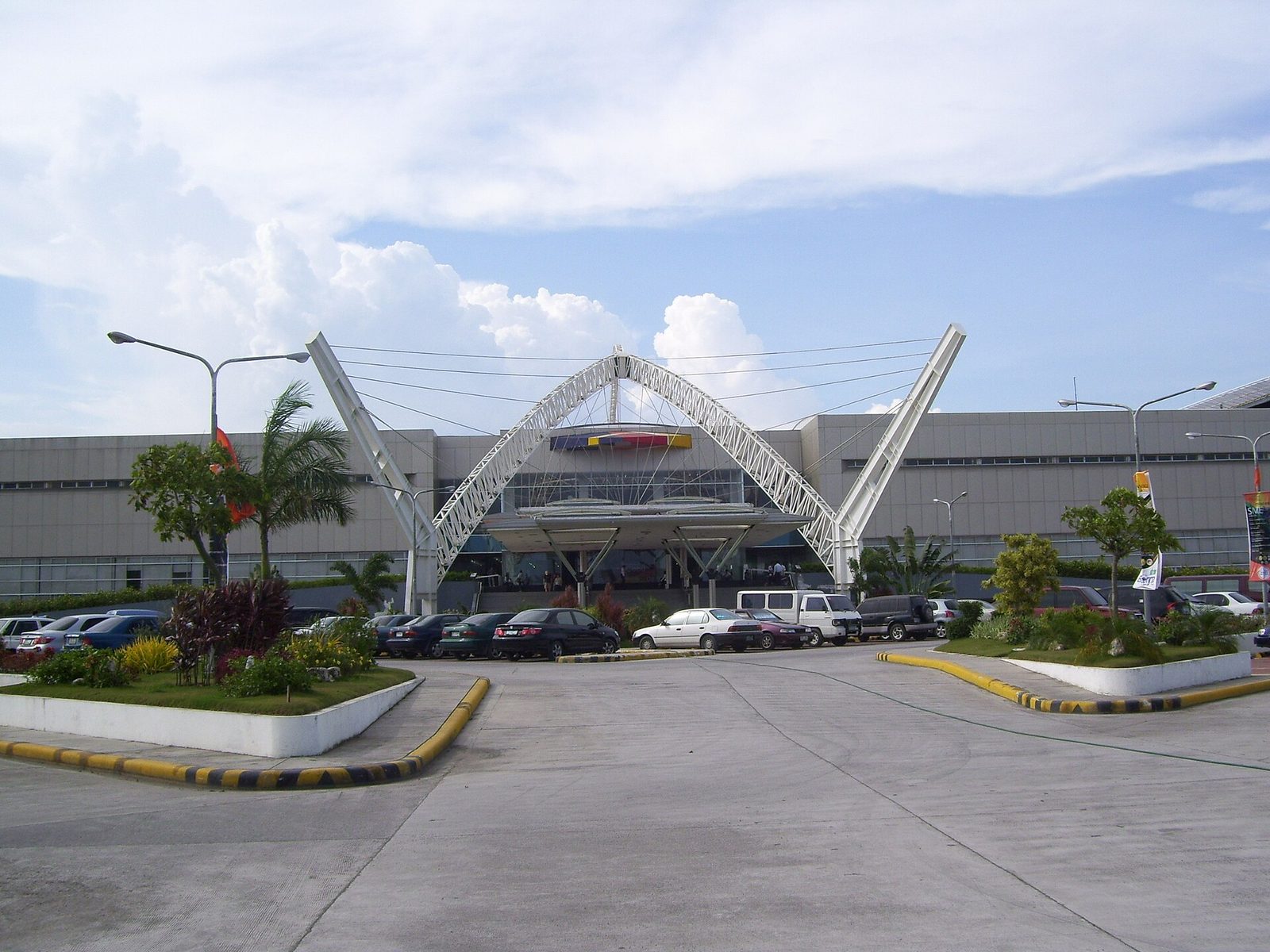
Archive photo · 24 June 2008Gilberto Teodoro Chairs ADMM-Plus in Cebu as China Sends Low-Profile Representative
6 Other4 Asian4 West Asian2 Other source typesPhoto: Jojit fb, CC BY-SA 3.0 · Cropped for layout
This article is an automated aggregation of coverage from news outlets. Our editorials offer in-depth analysis curated by the NewsCord team.
Teodoro chairs the 13th ADMM-Plus meeting in Cebu, per multiple reports. U.S. Defense Secretary Pete Hegseth attends, signaling strong regional security commitments.
Save coverage image
ASEAN summit in Cebu
ASEAN inaugurated its defense summit, the ADMM-Plus, in the Philippines with its eight partner countries, as tensions with China continued and China sent a low-profile representative to the meeting. Philippine Secretary of Defense Gilberto Teodoro chaired the opening in Cebu and said, "We meet at a moment of profound and rapid changes in our regional and global security environment," setting the tone for the bloc’s defense discussions. The summit brought together defense ministers and representatives from 11 ASEAN member states and 8 dialogue partners, including Australia, India, Japan, South Korea, the United States, Russia, and China.
General Van Van Giang, a Politburo member, Deputy Prime Minister, and National Defense Minister, led Vietnam’s delegation and used the Cebu setting to call for dialogue and trust-building under the Enhanced ADMM-Plus framework. The meeting also included discussion of regional and global security issues, with delegates exchanging views as the Philippines hosted the ADMM-Plus in Cebu.
China, missiles, and responses
North Korea’s missile launches became a focal point at the ADMM-Plus, as South Korea’s Defense Minister Kang Shin-chul denounced the launches as a threat to security on the Korean Peninsula and in the region. Kang said during a plenary session that, "Today at this very moment, North Korea is threatening the Korean Peninsula and the regional security by firing a number of missiles," linking the moment to the wider regional defense agenda. Kang also described a recent explosion caused by North Korean mines planted south of the Military Demarcation Line as a "clear violation" of the Armistice Agreement and a "provocation," while calling for the resumption of dialogue between the two Koreas.
China’s position at the ASEAN defense talks also featured in the sidelines, as Chinese Foreign Ministry spokesperson Guo Jiakun said, "We never target any country nor seek military expansion." Guo added that the development of military capabilities aims to safeguard national sovereignty, security and development interests, and he urged the relevant party to view claims objectively and stop making irresponsible comments.
Initiatives and next steps
ASEAN defense ministers adopted five initiatives to secure the region, with Defense Secretary Gilbert Teodoro saying the package included promoting exchanges among younger and upcoming defense leaders and strengthening resilience against chemical, biological, and radiological threats. Teodoro also said the ministers agreed to enhance the synergy between the ASEAN Defense Ministers’ Meeting and the ASEAN Regional Forum, and they agreed to create a comprehensive guide for practices and protocols. The ministers further agreed to host the Maritime Security Resilience Amidst Emerging Technologies Conference in 2027 along with India, and they signed three documents including a joint statement commemorating the 50th anniversary of the Treaty of Amity and Cooperation in Southeast Asia.
On the sidelines, the Philippines held bilateral meetings with Brunei, Malaysia, Singapore, the USA, Japan, the Republic of Korea, Australia, Vietnam, and India, and it also held a ministerial meeting with Australia, Japan and the United States. The Philippines formally handed over the ADMM chairmanship to Singapore for 2027, with Singapore Minister of Defense Chan Chun Sing saying, "We will take ASEAN and the ASEAN Plus framework forward."