Russiaupdated 38m ago2 min read
Russia Arrests Hokkaido Shimbun Journalist Yuki Imai on Espionage Charges
This article is an automated aggregation of coverage from news outlets. Our editorials offer in-depth analysis curated by the NewsCord team.
Yuki Imai of Hokkaido Shimbun arrested in Sakhalin on suspicion of espionage. Russia accuses him of gathering information on Moscow's defense capabilities for Japan.
Save coverage image
Explore source coverage 5 source types
Directory totals describe our source library, not outlets checked for this story.
9 outlets told this the same way.
Yuki Imai detained
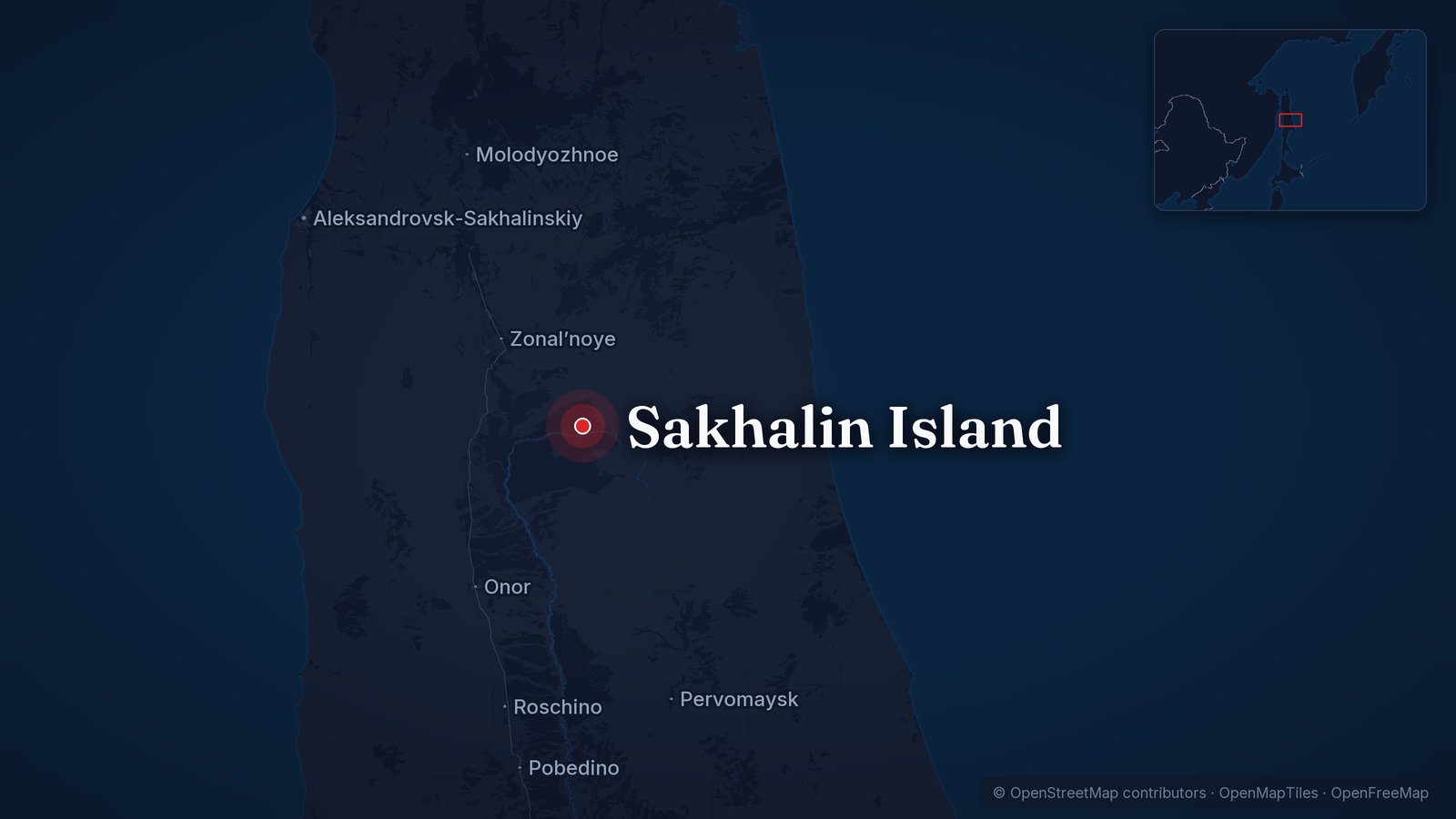
Russia arrested Japanese journalist Yuki Imai of the Hokkaido Shimbun on Sakhalin Island on suspicion of espionage, and Russia’s Federal Security Service said he was suspected of gathering information about Russia’s defense capability on behalf of a Japanese intelligence agency. Russia’s Foreign Ministry spokeswoman Maria Zakharova identified Imai as accused of “carrying out espionage activities on Russian soil,” and Russia’s FSB published footage showing masked officers storming a hotel room and handcuffing him.
Japan’s Prime Minister Sanae Takaichi denied conducting spying activities in Russia, telling reporters “There is no such fact,” and she said “the protection of Japanese nationals is extremely important right now.” Japan summoned Russia’s ambassador and demanded consular access and humane treatment, while Chief Cabinet Secretary Minoru Kihara said Japan had not been able to contact Imai and was working to arrange a meeting “as soon as possible.”
Tokyo protests, Moscow accuses
Japan lodged a protest with Russia, and Japan’s Foreign Ministry said it demanded Moscow provide an explanation, consular access and humane treatment after Russia arrested Imai on Sakhalin. Maria Zakharova accused Tokyo of using Japanese journalists in Russia to gather information to undermine Russian security, calling it “regrettable,” and she said “the incident will further dampen the atmosphere in Russian-Japanese relations.”
Japan’s Foreign Ministry summoned Russian Ambassador Nikolay Nozdrev, and Kimitake Nakamura demanded humane and fair treatment of the journalist and for Japanese officials to be allowed to have contact with him. Moscow and Tokyo also pointed to the Kuril Islands dispute, with the BBC describing the Kurils as sitting between Hokkaido in northern Japan and Russia’s Kamchatka Peninsula, and with the Japan Times noting the Kuril Islands have been under Russia’s control since the end of World War II.
Detention, prison risk
A court ordered Imai placed in pre-trial detention after he was flown to Moscow, and Russian reports said he would remain in custody until 12 December before his trial begins. The charges carry up to 20 years in prison, and the BBC said those convicted of espionage in Russia can be sentenced to up to 20 years in prison.
Fiona O’Brien of the Committee to Protect Journalists called the detention “deeply chilling to see,” and she said “Journalists must not be used as leverage in wider geopolitical disputes.” Japan’s government said it did not know about the arrest until Moscow’s announcement, and it said it was still seeking details while Russia alleged Imai “acted on the instructions of [Japan's] national intelligence service” to gather information about people involved in a special military operation on the Kuril Islands.