Russiaupdated 1h ago3 min read
Lavrov Meets Pezeshkian as Russia Seeks To Mediate a New US-Iran Nuclear Deal
This article is an automated aggregation of coverage from news outlets. Our editorials offer in-depth analysis curated by the NewsCord team.
Lavrov's Tehran visit signals Moscow's push to mediate between Washington and Tehran. Putin renews readiness for Russia to help resolve the Iran crisis ahead of Wittkoff talks.
Save coverage image
One story. Different accounts.
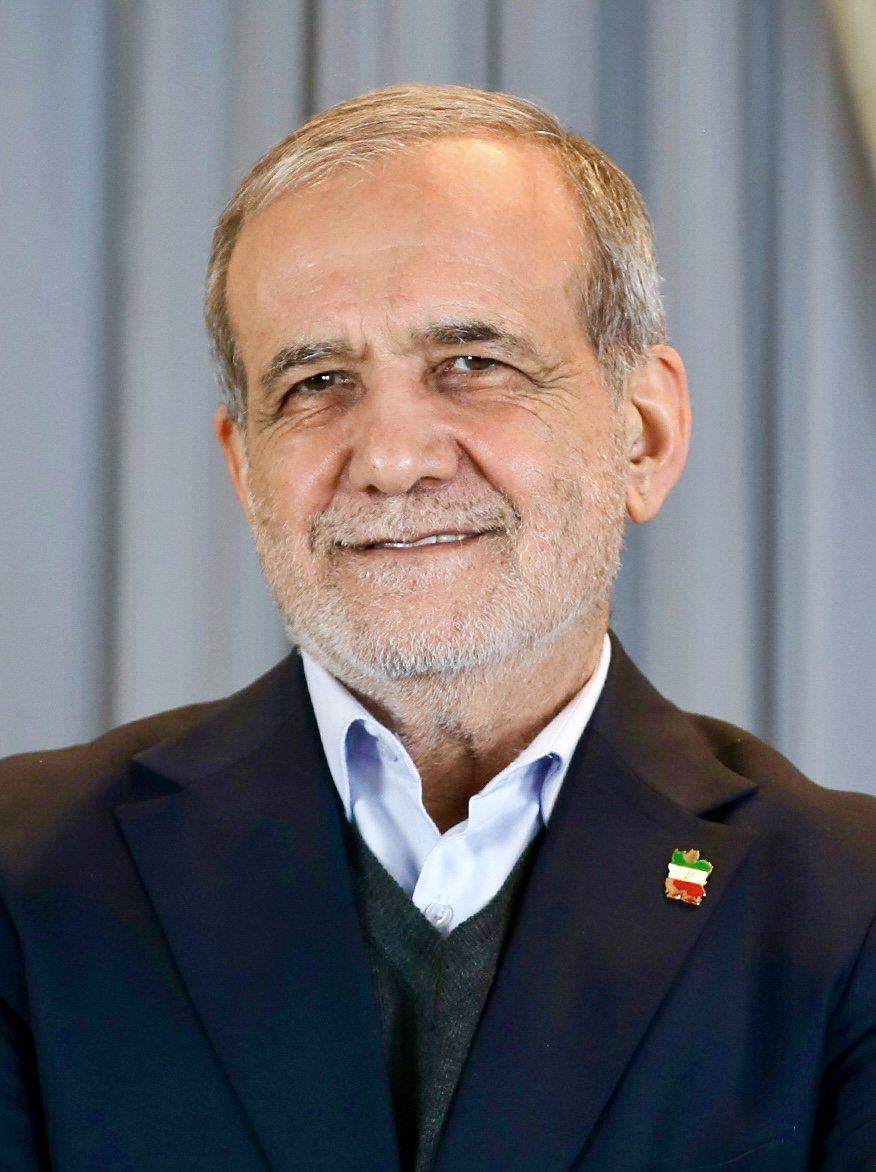
“President Masoud Pezeshkian said threats and sanctions must be lifted in practice before conditions for negotiations could be established”
 Arab News
“there would be no talks with Washington until its demands are met”
Explore source coverage 4 source types
Directory totals describe our source library, not outlets checked for this story.
Al Jazeera was read line by line by the Watchdog: 2.9. See the score →
Lavrov to Iran, Putin readies
Russian Foreign Minister Sergey Lavrov travelled to Iran and met Iranian President Masoud Pezeshkian, as Moscow sought to broker a possible new US-Iran nuclear deal. Russian President Vladimir Putin met with Pezeshkian on October 8 and September 1, and the Al Jazeera account said Moscow offered to mediate between Washington and Tehran on a possible nuclear deal. The Kremlin’s diplomacy was framed around Russia’s stance on Iran’s nuclear programme, with the Al Jazeera account saying Russia supports Iranian domestic nuclear energy generation while opposing Iranian development or acquisition of Iranian nuclear weapons.
The Al Jazeera account also tied Russia’s mediation position to its role in the eight-party talks that led to the 2015 signing of the Joint Comprehensive Plan of Action, noting that the US withdrew while France, Germany, the United Kingdom and the European Union lost their standing in both Washington and Tehran. The Al Jazeera account said Russia’s mediation efforts included a report that Putin delivered an Iranian proposal by phone to Trump this month, while heightened US diplomatic activity aimed to end the war in Ukraine.
Putin, Wittkov, and mediation
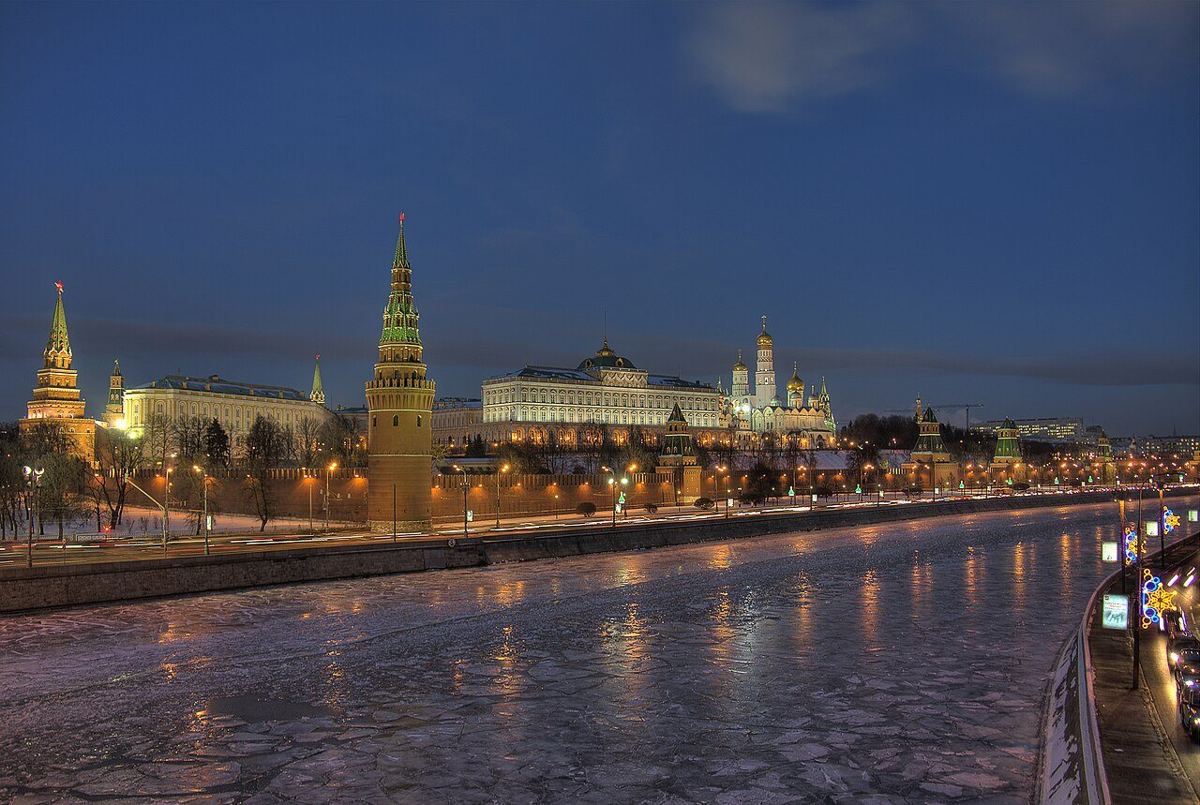
Russian President Vladimir Putin renewed his country’s readiness to help resolve the crisis over Iran before U.S. envoy Stephen Wittkov, after Lavrov’s Tehran visit, according to Al-Jazeera Net. Putin told Wittkov in Saint Petersburg that Moscow had special relations with Tehran based on trust formed over decades, and Yuri Ushakov said, "President Putin stressed that diplomatic opportunities have not been exhausted." Al-Jazeera Net said the Russian president’s aide confirmed that reaching an agreement with Tehran was possible and necessary, while the public presentation did not reveal whether specific messages were conveyed or a joint initiative was shaped.
The meeting came two days after Lavrov’s participation in the strategic dialogue between Russia and the Gulf Cooperation Council in Manama, where the council called on Moscow to push Iran to stop attacks and engage in serious dialogue with the Gulf states. El Destape described a separate track in which Putin met U.S. special envoy Steve Witkoff for three hours at the Constantine Palace in Saint Petersburg, yielding five strategic definitions that included an offer of mediation in the Iran crisis.
Conditions, channels, and risks
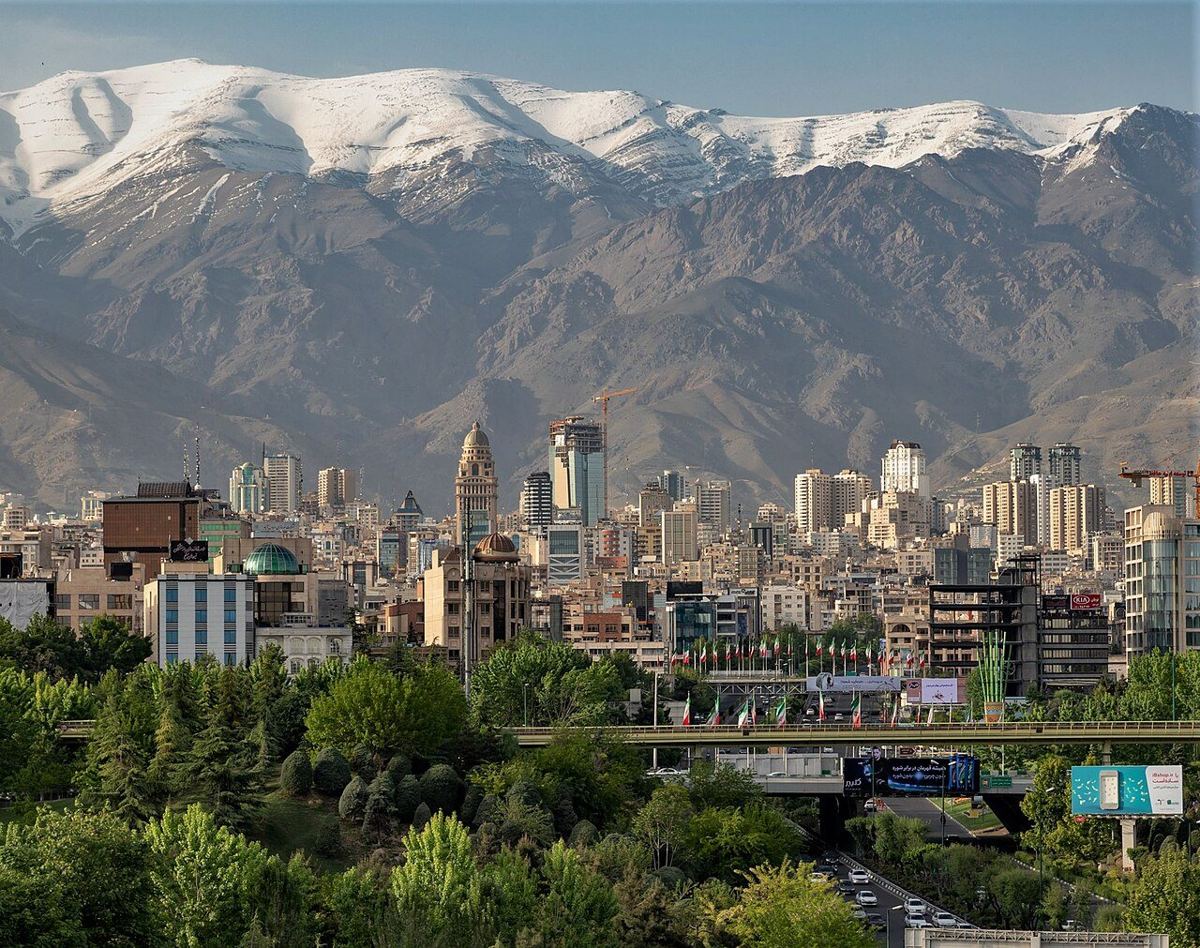
Iranian leaders raised conditions for negotiations with the United States and issued warnings of a wider military response, while Revolutionary Guards spokesman Hossein Mohebbi said Iran would launch offensive operations against any country that attacked it, according to Iran International. An unnamed senior security official told state-run Press TV that Iran was prepared for an all-out war and would respond "without restraint" to renewed attacks or assassinations. Iran International said diplomatic channels remained active, and it reported that Putin told U.S. envoy Steve Witkoff that there was still room for diplomacy over Iran and that an agreement with Tehran was needed, according to the Kremlin.
EnergyNow, citing Reuters, said mediators set up communications channels to de-escalate incidents and that technical teams were expected to meet in Doha in the coming days to manage the Strait of Hormuz and de-escalate tensions. EnergyNow also reported that the U.S. and Iran signed a 14-point memorandum of understanding aimed at ending four months of conflict on June 17, under which both sides agreed to cease hostilities and reopen the strait.