Ukraine Warupdated 40m ago3 min read
Canada’s Sarah Taylor Urges Sanctions On Oil And Gas To Frustrate Vladimir Putin
This article is an automated aggregation of coverage from news outlets. Our editorials offer in-depth analysis curated by the NewsCord team.
The United States issued a 30-day waiver allowing purchases of sanctioned Russian oil. EU expanded sanctions, listing hundreds of entities and individuals tied to Russia's military-industrial complex.
Save coverage image
Explore source coverage 3 source types
Directory totals describe our source library, not outlets checked for this story.
5 outlets told this the same way.
Outlets did split on Starshield Throttling Makes Ukraine Drones Fall, Halts Operations Against Russian Targets →
Cognitive warfare and funding
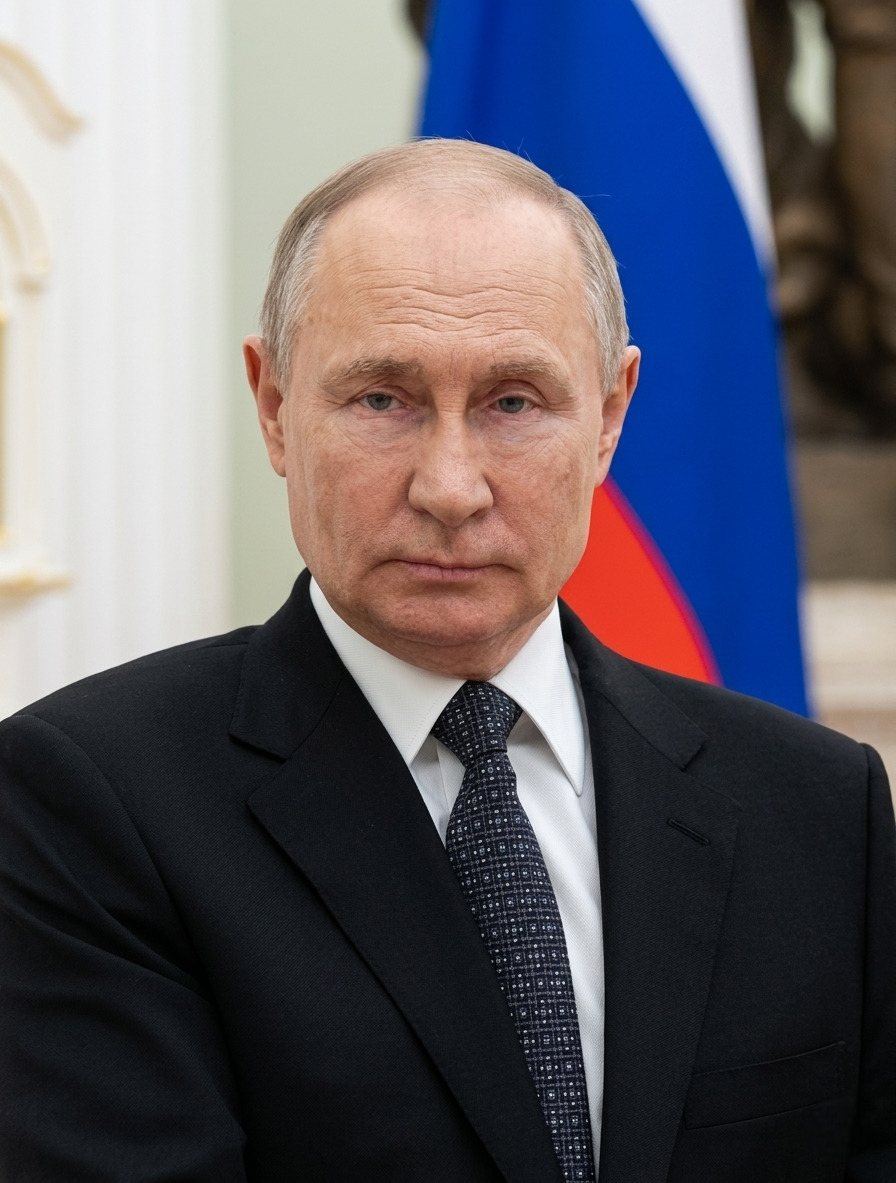
Canada’s outgoing ambassador to Russia, Sarah Taylor, returned with advice on how to craft a response to Moscow’s “cognitive warfare” campaign against the NATO alliance and argued that keeping sanctions on oil and gas can frustrate Vladimir Putin’s effort to finance his war machine. Taylor told CBC Radio’s The Current that Russia’s propaganda is widespread and effective because it uses its knowledge of how the West works and key language skills to ensure its campaigns will have maximum impact.
Taylor said Russia’s weakness in the war is financing it, adding, “It’s become a hugely expensive undertaking for them, lasting much longer than the Russians expected … and part of the way they are funding this is through their sales of oil and gas.” Taylor said Ukraine’s targeting of oil refineries, the warehouses of Russian e-commerce giants Wildberries and Ozon, and large data centres has started to affect daily life, and she described the situation as feeling like “the middle of a Cold War.”
Sanctions waiver sparks rift
The United States issued a 30-day waiver for countries to buy sanctioned Russian oil and petroleum products stranded at sea, and the waiver drew criticism from Germany and other European allies while Moscow approved it. German Chancellor Friedrich Merz said, “Six members of the G7 expressed a very clear opinion that this was not the right signal,” and he asked what motives led the American government to make the decision.
Norway’s Prime Minister Jonas Gahr Stoere said energy sanctions on Russia should not be eased, and Kremlin spokesman Dmitry Peskov told reporters that “our interests coincide” on stabilising world energy markets. The licence issued by Washington authorises delivery and sale of Russian crude oil and petroleum products loaded on vessels on or before March 12 and valid through midnight Washington time on April 11, and Reuters reporting said the move came after a call between Trump and Vladimir Putin on March 9 and a subsequent visit by Kirill Dmitriev to the U.S.
Diesel deal and war stakes
President Donald Trump signed an executive order Oct. 16 waiving key sanctions and tariffs under the Graham Act, and the order specifies no expiration date while earlier Russia sanctions imposed under previous executive orders remain in place.
Oil & Gas Journal reporting said Trump told that Russia would immediately supply more than 300,000 tonnes of diesel to the U.S. and global markets, followed by 500,000 tonnes in November and 1 million tonnes after that, while delivery remains uncertain.
Progressive Policy Institute argued that the Trump administration waived the U.S. own sanctions on Russian diesel fuel on October 9 and announced a Russian intent to sell 300,000 tons of diesel fuel on world markets, and it said U.S. diesel fuel prices were unchanged with AAA’s daily survey averaging $6.28 per gallon as the administration announced its shift.
The stakes for Ukraine and Russia’s war finance remained central in the sources, with CBC describing Ukraine’s drone and refinery targeting as creating “a bit more impact on daily life,” and with Oil & Gas Journal noting that Ukrainian strikes have damaged Russian refineries while Moscow’s diesel export restrictions remain partly in place despite easing on Oct. 10.