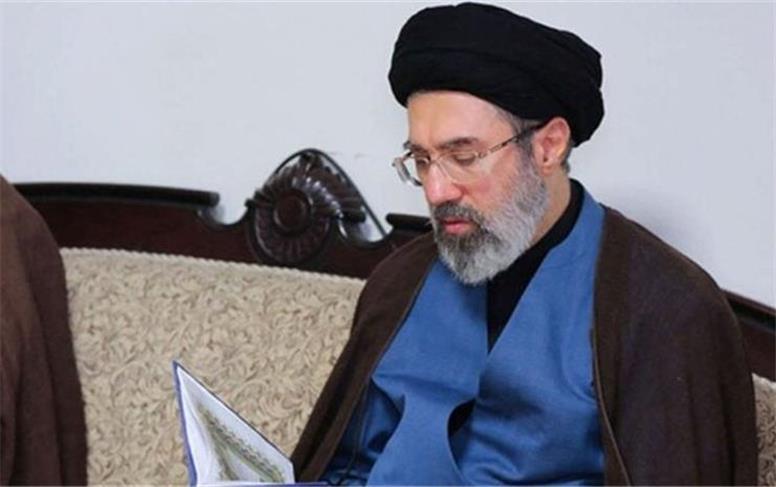
Ayatollah Seyyed Mojtaba Khamenei Pardons Over 2,000 Convicts Ahead of Eid al-Ghadir
Key Takeaways
- More than 2,000 Iranian convicts pardoned, reduced, or commuted ahead of Eid al-Ghadir.
- Pardons granted following a request by Judiciary Chief Gholam-Hossein Mohseni-Ejei.
- Excludes prisoners convicted of national security offenses from amnesty.
Pardon Ahead of Eid
Iran’s Supreme Leader Ayatollah Seyyed Mojtaba Khamenei approved pardons or sentence reductions for more than 2,000 convicted individuals ahead of Eid al-Ghadir, according to the Judiciary.
The clemency was granted by Ayatollah Seyyed Mojtaba Khamenei following a request from Judiciary Chief Gholamhossein Mohseni-Ejei, and it covers prisoners convicted by general and revolutionary courts, military tribunals, and state penal institutions.
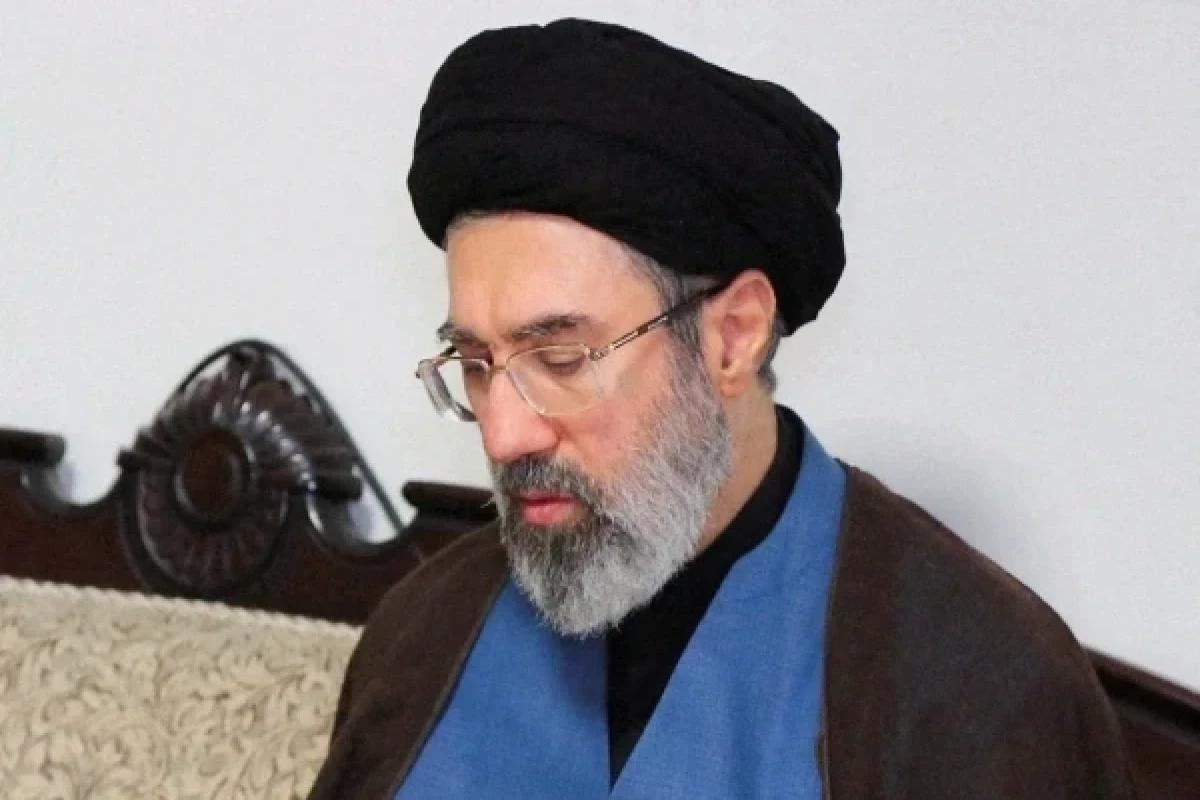
Judiciary spokesperson Ali Mozafari said eligibility includes the absence of a private complainant, no significant prior criminal record, and evidence of rehabilitation after serving part of the sentence.
Mozafari also said the majority of the more than 2,000 inmates covered by the decision are expected to be released immediately.
He added that individuals convicted of security-related offenses, espionage, actions against domestic or international national security, or threats to public safety are not eligible for clemency under any circumstances.
Exclusions and Criteria
The Judiciary’s exclusions were reiterated through a framework cited by Tasnim News Agency, with Deputy Chief Justice Ali Mozafari saying that those convicted on national security-related charges are not included in the amnesty.
In that account, “Persons who do not have a private complainant and an effective criminal record, have served part of their sentence, and have shown signs of reform and punishment are given priority consideration for amnesty,” while “Those convicted of security crimes, espionage, acts against the internal and external security of the country, and individuals who have threatened the public security of society will not be eligible for amnesty under any circumstances,” he added.
The same Judiciary-linked reporting tied the timing of the decision to Eid al-Ghadir, described as one of the main Shiite religious holidays.
The Tehran Times also described the review process as strictly legal, with Mozafari saying, “No pressure, demand, or consideration outside legal frameworks has any effect on the review process.”
It further stated that provincial and central pardon commissions reviewed eligible cases despite time constraints due to the holiday period and the country’s heightened security posture.
Constitutional Authority
Multiple outlets tied the mass clemency to the Leader’s constitutional authority under Article 110, which empowers the Leader to reduce sentences or pardon convicts based on the direct recommendation of the head of the Judiciary.
“Tehran, IRNA – Leader of the Islamic Revolution Ayatollah Seyyed Mojtaba Hosseini Khamenei has agreed to pardon, reduce, or commute the sentences of more than 2,000 Iranian convicts”
İlke Haber Ajansı said the decision followed a formal request submitted by Judiciary Chief Gholam Hossein Mohseni Ejei and that the amnesty would apply to individuals sentenced across various courts throughout Iran.
IRNA English likewise said the Leader approved a request from Judiciary chief Gholam-Hossein Mohseni Ejei to suspend or mitigate sentences on the occasion of Eid al-Ghadir.
In the same IRNA account, Article 110 (11) of the Iranian Constitution was cited as the basis for the Leader’s power to pardon or commute sentences upon a proposal by the Judiciary chief.
The Tehran Times described the religious context of Eid al-Ghadir as commemorating the appointment of Imam Ali (AS) as the successor of Prophet Mohammad (peace be known as Him), and it said such pardons are regularly issued on major religious and national occasions.
More on Iran

Iran Adviser Mohsen Rezaei Says U.S.-Iran Talks Are Deadlocked as Trump Demands Asset Unfreezing
10 sources compared

CENTCOM Says Iran Did Not Fire Warning Shots at U.S. Navy Warships in Gulf of Oman
18 sources compared
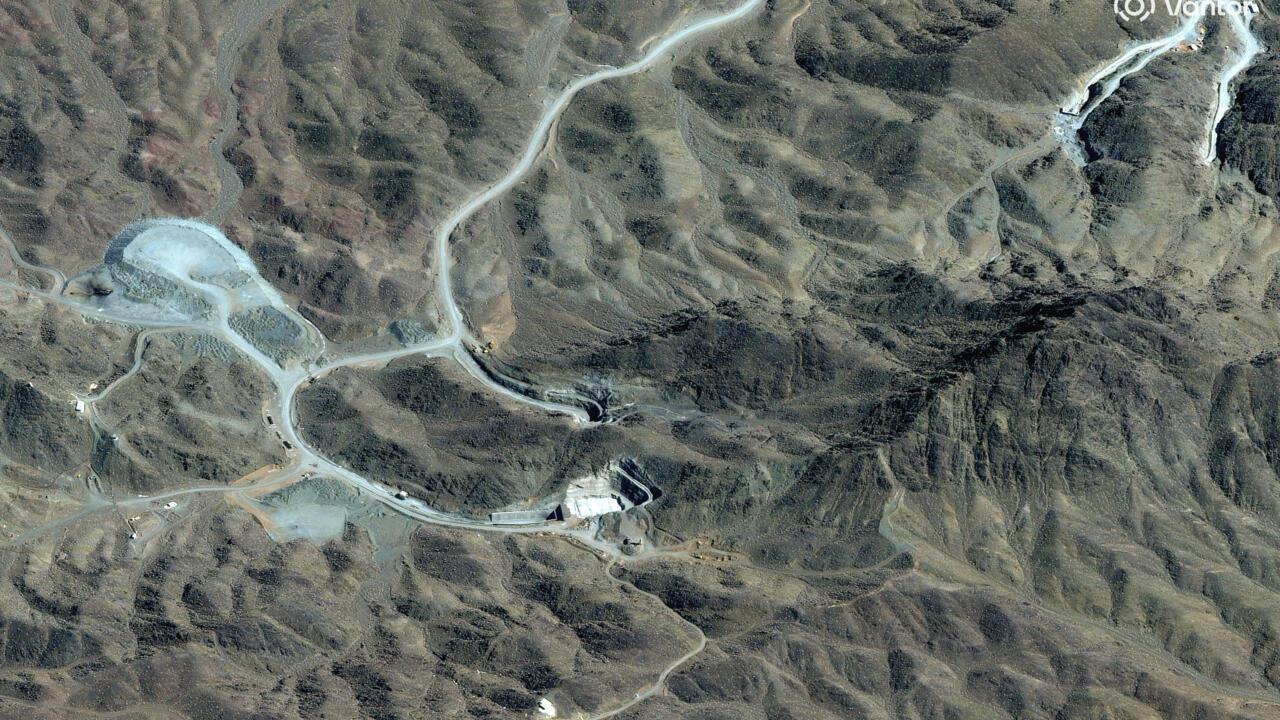
IAEA Says Iran Blocks Inspectors, Cannot Verify Enriched Uranium Stockpile
18 sources compared
Mohsen Rezaei Says Trump Must Break U.S.-Iran Deadlock Over $24 Billion Assets
44 sources compared