Full story
Ceasefire dispute at sea
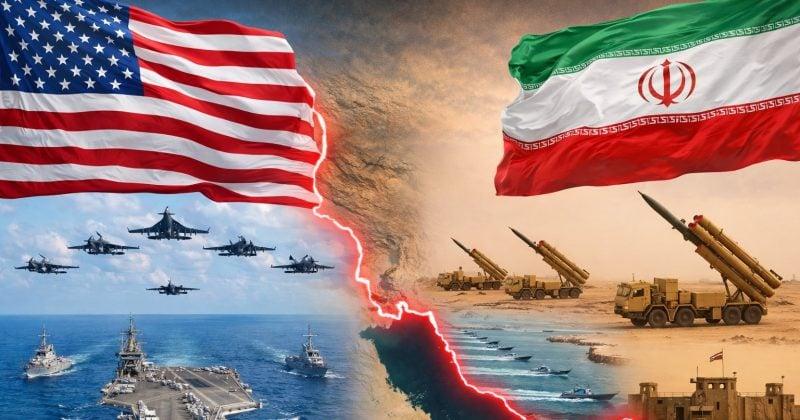
U.S. Central Command (CENTCOM) fact-checked Iran on Friday, saying Iranian forces did not attack U.S. Navy warships and that such an action would have violated the ceasefire.
“CENTCOM denies Iran fired warning shots at US warships in Gulf of Oman Statement comes after Iranian Army said it fired warning shots at US destroyers Berk Kutay Gokmen 05 June 2026•Update: 05 June 2026 ISTANBUL The US on Friday denied claims that Iran fired warning shots at US warships in the Gulf of Oman, adding that Tehran’s forces did not force American vessels to “retreat” toward the Indian Ocean”
CENTCOM posted on X that the claim Iran made it fired warning shots at U.S. warships in the Gulf of Oman forcing American vessels to retreat toward the Indian Ocean was "FALSE."

In parallel, Iran’s military statements described warning shots fired toward U.S. destroyers in the Sea of Oman, saying the destroyers DDG-103 and DDG-87 left the Sea of Oman toward the Indian Ocean.
The dispute unfolded while CENTCOM said the incident occurred "while the ceasefire was in place," and it said no U.S. vessels were struck.
Deal talks and frozen assets
While the maritime exchange was being contested, the U.S.-Iran battle of wills over a framework to end the war intensified, with Axios reporting that U.S. President Donald Trump asked Friday to make two changes to an emerging memorandum of understanding.
Mohsen Rezaei, military adviser to Supreme Leader Mojtaba Khamenei, told CNN on Friday that negotiations between the United States and Iran "are at a deadlock" and said "Trump must break this deadlock."

A senior Iranian official told CNN that talks depend on the United States releasing $24 billion in frozen Iranian assets, with $12 billion released upon the signing of a potential agreement and the remainder at a later stage.
The U.S. position, as described in the report, was that the funds would be released only after Iran takes practical steps to dismantle its nuclear program, while Rezaei warned Iran would expand the war beyond the Persian Gulf if hostilities resume.
Blockade enforcement and retaliation
CENTCOM said U.S. forces continue to operate freely in regional waters while fully enforcing the ongoing blockade against Iran, and it described U.S. actions against a tanker that ignored repeated warnings and failed to comply with orders under the blockade.
In the same reporting, CENTCOM said the Botswana-flagged tanker M/T Lexie was intercepted by American forces while traveling through international waters toward Kharg Island, which it described as one of Iran’s primary oil export terminals.
Iran’s state-linked accounts framed the warning-shots episode as part of countering maritime disruptions and harassment, and they said longer-range missiles would be used if necessary even after U.S. vessels moved beyond the range of the munitions deployed.
In the negotiations backdrop, Rezaei also warned that if hostilities resume Iran would expand the war by attacking other American bases, while the report said Washington was preparing for possible progress toward an agreement through technical consultations involving Steve Witkoff and Jared Kushner.