Asia17 April, 20266 min read
Balendra Shah Forms Five-Member Panel To Probe Nepal Politicians’ Assets Since 2006
This article is an automated aggregation of coverage from news outlets. Our editorials offer in-depth analysis curated by the NewsCord team.
Panel investigates assets of politicians and officials since 2006. Panel chaired by Rajendra Kumar Bhandari, former justice, to oversee inquiry.

Wealth probe announced
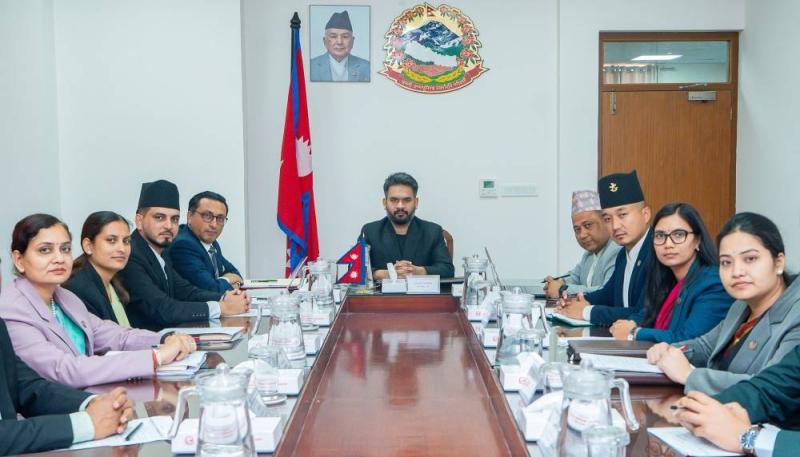
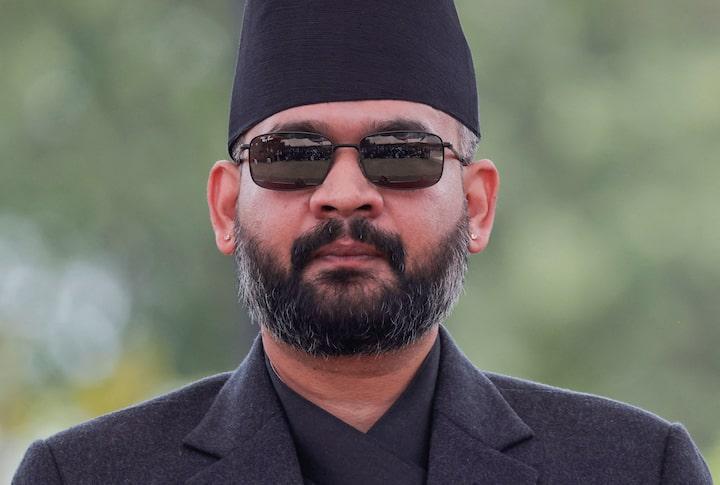
Nepal’s newly formed Balendra Shah government has set up a five-member judicial panel to probe the assets of people who held public office from 2006 to the current fiscal year 2025-26, opening “the widest scrutiny yet of the country’s post-monarchy political and bureaucratic elite,” according to The Times of India. The Financial Express, citing AFP, said the commission was formed after the government was elected “on an anti-corruption platform,” and that Prime Minister Balendra Shah ordered it via cabinet on Wednesday. The Straits Times described Shah as “rapper-turned-politician” and said he set up the panel to investigate “property and assets of past and present politicians and officials” aimed at controlling corruption.
Multiple outlets tied the decision to Shah’s governance reform agenda, with The Times of India saying the first phase will examine those who served from 2006 to the present fiscal while a second phase is meant to look at the period from 1991 to 2005. The Organized Crime and Corruption Reporting Project said the government announced late Wednesday that it formed a specialized property investigation commission to scrutinize asset details of major political figures and high-ranking officials “over the past two decades.” In parallel, The Rising Nepal and Telegraph India both described the commission as a five-member “Property Investigation Commission” coordinated under former Supreme Court justice Rajendra Kumar Bhandari, with Sasmit Pokharel describing the cabinet decision after meeting at the Office of the Prime Minister.
Who will be probed
The Times of India laid out a broad roster of figures expected to fall under the commission’s lens, including former king Gyanendra Shah, “three presidents,” and “all heads of government since 2005-06,” as well as “former presidents Ram Baran Yadav and Bidya Devi Bhandari” and current president Ram Chandra Paudel. It also named former PMs Girija Prasad Koirala, Pushpa Kamal Dahal, Madhav Kumar Nepal, Jhala Nath Khanal, Baburam Bhattarai, KP Sharma Oli and Sher Bahadur Deuba, along with the two interim heads of government — Khilraj Regmi and Sushila Karki. The Times of India said the widening frame would cast attention on figures linked to Shah’s political ecosystem, including current Speaker Dol Prasad Aryal, ministers Birajbhakt Shrestha and Shishir Khanal, and Rastriya Swatantra Party chief Rabi Lamichhane.
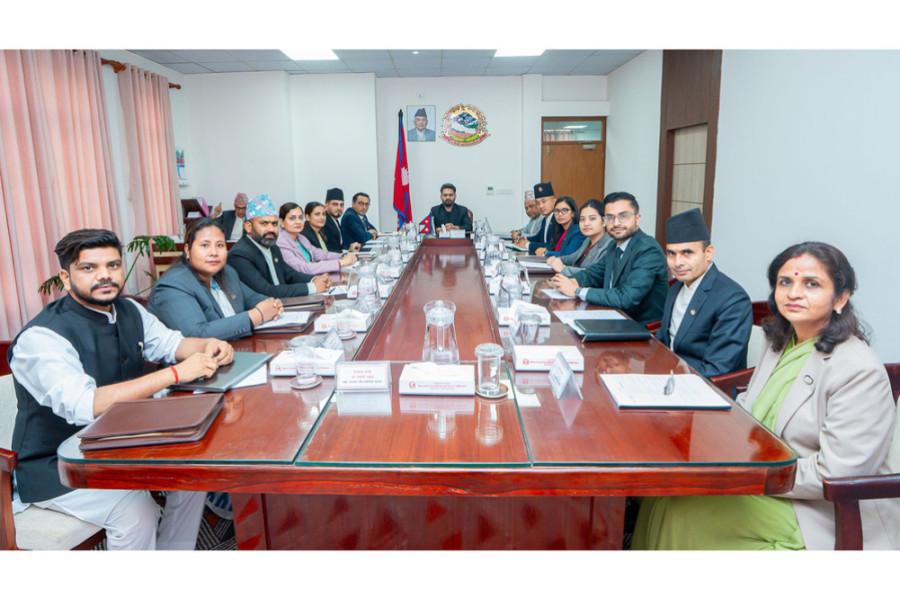
It further said the inquiry is expected to extend to the assets of deceased leaders, bringing families and political heirs of figures such as Girija Prasad Koirala and Sushil Koirala under scrutiny. The Asia News Network similarly described the commission as tasked with collecting, verifying, and investigating asset details of “major political officials and high-ranking employees who held public office from 2006 to the present,” and it listed the commission’s membership as Purushottam Parajuli, Chandiraj Dhakal, Ganesh KC, and Prakash Lamsal in addition to Rajendra Kumar Bhandari. The Himalayan Times, meanwhile, said the government formed a four-member commission to investigate assets over “the past 20 years,” covering “2062/63 BS to 2082/83 BS,” and it named Chandiraj Dhakal, Purushottam Parajuli, Ganesh KC, and Prakash Lamsal.
Cabinet, timelines, and members
Across the reporting, the commission’s creation is repeatedly linked to cabinet action and to Shah’s “100-point governance reform plan,” with The Times of India saying the first phase will examine those who served from 2006 to the present fiscal and the second phase is meant to look at the period from 1991 to 2005. The Financial Express, citing AFP, said Dipa Dahal told AFP that “The cabinet meeting made this decision,” and that the government was “following up to confirm its timelines and other details.” The Organized Crime and Corruption Reporting Project described the cabinet meeting at the Office of the Prime Minister and Council of Ministers on Wednesday evening and said officials appointed “a four-member commission” to investigate assets amassed by politicians since 2005, chaired by Rajendra Kumar Bhandari.
The Rising Nepal and Telegraph India both said Sasmit Pokharel announced the decision after the cabinet meeting, with Telegraph India specifying that the five-member Property Investigation Commission would be headed by Rajendra Kumar Bhandari and including former justices Chandi Raj Dhakal and Purushottam Parajuli, former Deputy Inspector General of Nepal Police Ganesh KC, and chartered accountant Prakash Lamsal. The Asia News Network added that the first cabinet meeting of Prime Minister Balendra Shah on March 27 decided to establish a high-level asset investigation committee within 15 days, and it quoted the decision that “an authorised asset investigation committee shall be formed within 15 days.” The Straits Times said cabinet spokesperson Sasmit Pokhrel told reporters that an “impartial investigation” would be carried out based on evidence and legal standards, but it also noted that he did not mention the timeframe given to the panel to complete work.
Opposition and youth reactions
Nepali Congress and other political figures publicly accepted the idea of scrutiny while pressing for safeguards against politicization, according to The Times of India and Asia News Network.
The Times of India quoted Nepali Congress spokesperson Devraj Chalise saying, “We are clear that the assets of those who held executive office since 1990 must be probed,” and it added that he argued the mechanism “must not be politicised.”

In the same reporting, Oli’s CPN-UML backed scrutiny “in principle,” while insisting the commission must function on “facts and truth,” and The Times of India also quoted Gen Z activist Rakshya Bam, 26, saying, “We welcome the decision — our protest was, among other issues, against corruption in the upper echelons of the political system.”
Bam told TOI that “the real test is political will,” and she pointed to a prior “property inquiry panel” formed by the Deuba government in 2002 whose report “was never made public.”
Asia News Network echoed the opposition’s concern that the commission “must focus on evidence and not be used for political propaganda,” and it quoted Devraj Chalise again: “Investigation should be fair and evidence-based.”
It also quoted CPN-UML secretary Padma Aryal saying, “Forming a commission is also about delivering justice. It should not be about covering up wrongdoing,” and it added that her party had been demanding a similar probe.
Security review and next steps
The asset probe is not the only panel being formed under the new government’s anti-corruption and accountability push, with Telegraph India describing a separate commission to study the role of security mechanisms in implementing a report on last year’s Gen-Z protests. Telegraph India said a cabinet meeting decided to constitute a panel led by former High Court judge Prem Raj Karki, and it named former Armed Police Force Additional Inspector General Subodh Adhikari and former Nepal Police Additional Inspector General Tek Prasad Rai as the other two members. It further stated the panel was tasked with studying “the security-related matters while implementing the report submitted by the investigation commission led by Gauri Bahadur Karki,” which was formed to probe the Gen Z protests of September 8 and 9, in which 76 people died.
The Times of India also tied the political timeline to the anti-graft protests, saying Shah’s Rastriya Swatantra Party swept the March 5 election “on the back of last year’s youth-led anti-graft protests,” and it referenced Rakshya Bam’s role in the “Sept 2025 uprising that toppled the Oli government.” The Organized Crime and Corruption Reporting Project framed the wealth probe as a follow-through on Shah’s promise to initiate a severe crackdown on “hidden assets” within 15 days of rolling out his administration’s broader governance reforms. Finally, The Straits Times said the probe is expected to cover “hundreds of politicians and officials” who held public offices after the popular movement that led to the abolition of the 239-year-old monarchy in 2008.