Asia11 April, 20262 min read
US And Iran Hold Historic Direct Peace Talks In Pakistan Mediated By Islamabad
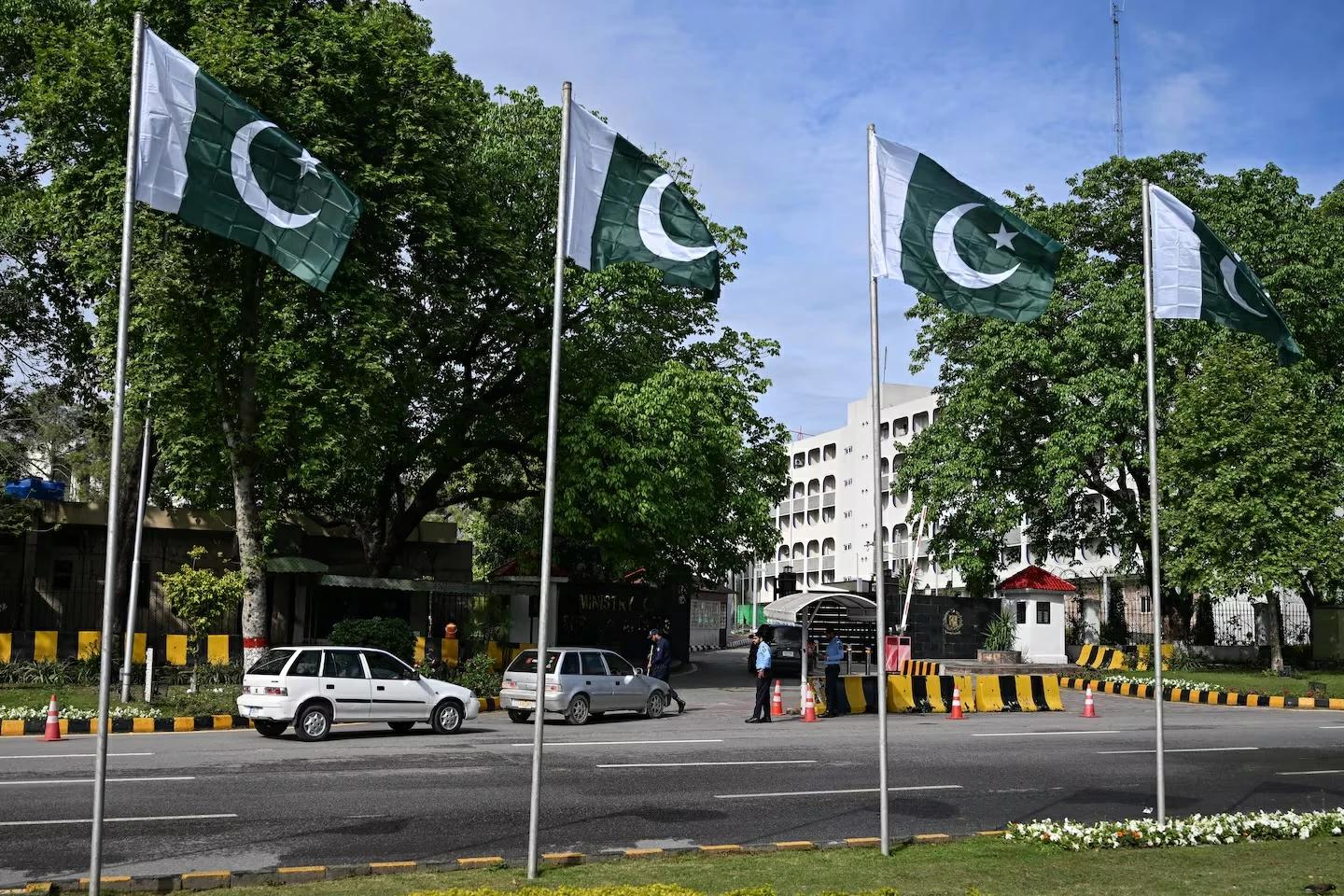
Direct peace talks between the United States and Iran are underway in Islamabad, Pakistan. This marks the first direct US-Iran talks since the 1979 Islamic Revolution.
Historic US-Iran Talks
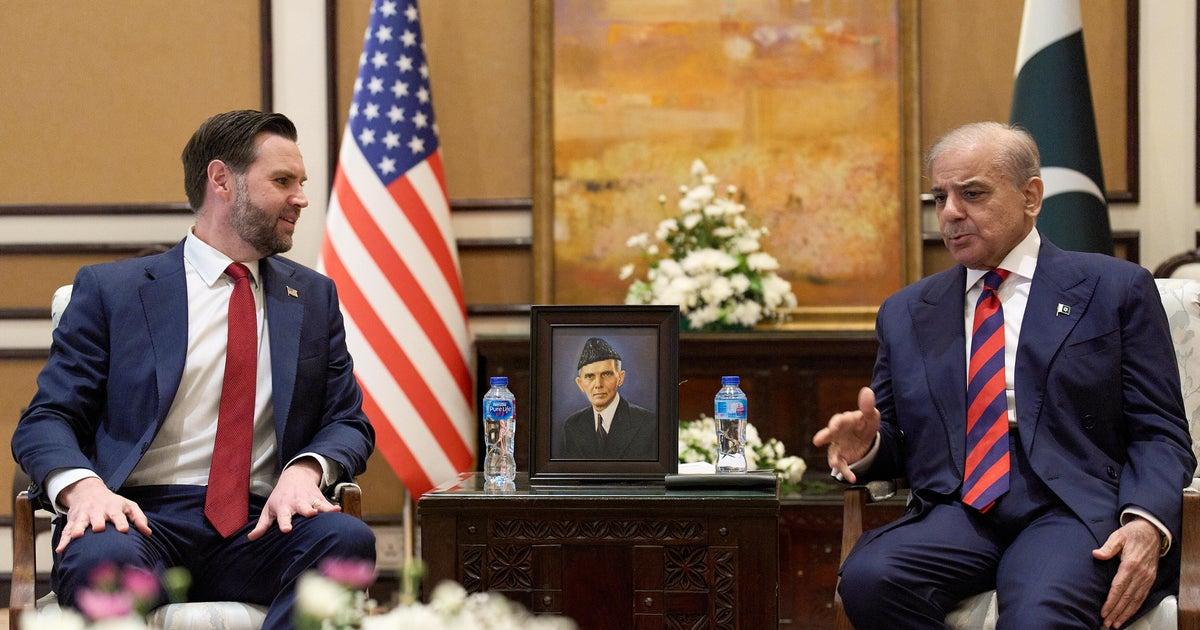
The United States and Iran engaged in direct peace talks in Islamabad on April 11, marking the highest-level face-to-face engagement since 1979. The talks were mediated by Pakistan and involved trilateral negotiations between the U.S., Iran, and Pakistan. Vice President JD Vance led the American delegation, joined by special envoy Steve Witkoff and Jared Kushner.
The Iranian delegation was led by Parliamentary Speaker Mohammad Bagher Qalibaf and Foreign Minister Abbas Araghchi. The talks sought to cement a two-week ceasefire that began on April 8 but faced significant challenges. Talks continued late into the night, suggesting the two sides remained engaged.

Pakistan's Mediation and India's Response
Pakistan emerged as the mediator despite being a regional rival to both the U.S. and Iran. Indian Parliamentarian Shashi Tharoor said India is not in a race with Pakistan over this issue. Tharoor explained that Pakistan has a direct interest as it shares a 900-kilometer border with Iran and has a large population of Shiites.
Indian experts Neerja Chowdhury and Meera Shankar acknowledged Pakistan's role as a reality India must contend with. Chowdhury said India's first mistake was not speaking out after the attack on Iran that killed Khamenei. Shankar noted that Pakistan's success in the ceasefire is good for India too because oil and gas supplies had stopped.
Key Issues and Obstacles
The talks faced significant obstacles including Iran's insistence on conditions such as full sovereignty over the Strait of Hormuz. Iran's Tasnim news agency reported these as non-negotiable conditions. The U.S. began setting conditions for clearing mines in the Strait of Hormuz.
Two Navy guided-missile destroyers transited the strait. Iran's state media said it forced a U.S. military ship attempting to cross to turn around. Israeli Prime Minister Netanyahu said Israel's campaign against Tehran is not yet over.
Asset Unfreezing Controversy
Reuters reported that the U.S. had agreed to release Iranian frozen assets held in Qatar, citing a senior Iranian source. The source said the unfreezing was directly linked to ensuring safe passage through the Strait of Hormuz. A U.S. official immediately denied the report.
The $6 billion was first blocked in 2018 and was scheduled to be unlocked in 2023 under a prisoner exchange agreement. The Biden administration re-froze the assets after the Hamas-led attack on Israel in October 2023. The funds originated from Iranian crude exports to South Korea.
