
BBC board approves Matt Brittin as Director-General
Key Takeaways
- BBC board approved Matt Brittin's appointment to lead the BBC.
- An official announcement was expected shortly after approval.
- Former Google executive Matt Brittin held UK MD and EMEA president roles.
Appointment Confirmation
The BBC board has approved the appointment of former Google executive Matt Brittin as the new Director-General of the British Broadcasting Corporation, marking a significant leadership transition for the public broadcaster.
“Brittin’s appointment is said to have been approved by the BBC board at a meeting on March 19th, with an official announcement expected in the coming days, according to a report originating in The Times”
According to The Times, Brittin's appointment was confirmed during a BBC board meeting on Thursday, with an official announcement expected to be made this week, though Reuters noted it could not independently verify the report.
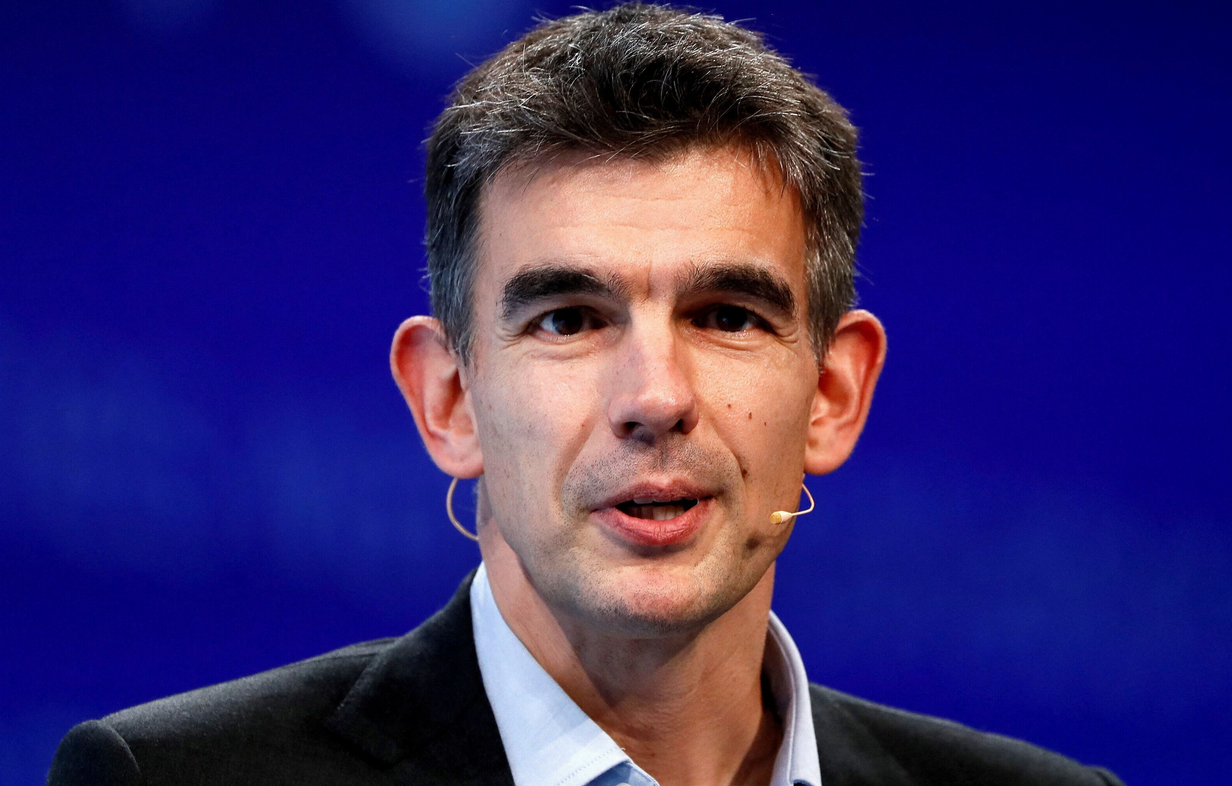
The appointment represents a notable departure for the BBC, as Brittin comes from a senior technology background rather than the traditional broadcasting or editorial roles typically associated with the position.
Multiple media outlets have named the former Cambridge Blue as the next director-general, though the BBC has not yet made an official statement confirming the decision.
Brittin will succeed Tim Davie, who is due to step down on April 2, with Rhodri Talfan Davies expected to act as interim director-general until Brittin takes up the post.
Brittin's Background
Matt Brittin, a 57-year-old executive with nearly two decades of experience at Google, brings a substantial corporate and technological background to his new role at the BBC.
Brittin joined Google in 2007 and rose through the ranks to become the company's president for Europe, the Middle East and Africa (EMEA) in 2014, leaving the tech giant in late 2024.
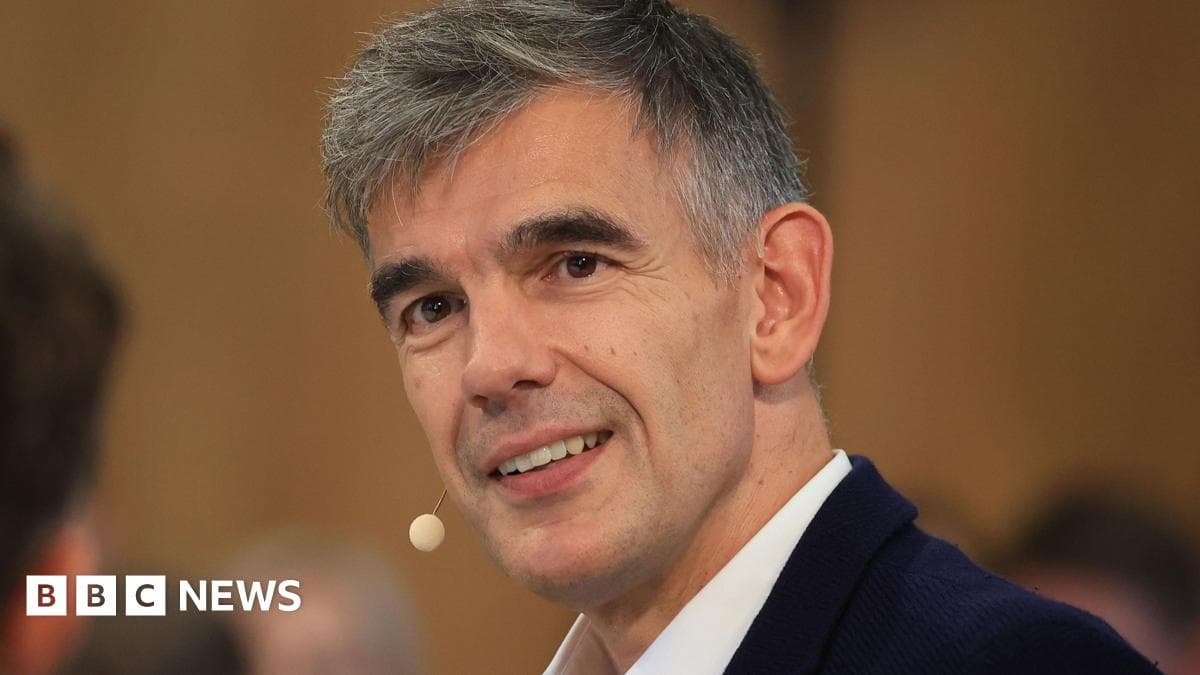
Before his tenure at Google, Brittin worked as a consultant with McKinsey & Co after completing his MBA from London Business School with distinction in 1997, establishing a strong foundation in business strategy and management.
His professional achievements have been recognized by the British government, as he was made a Commander of the Order of the British Empire (CBE) in this year's New Year's Honours list for his services to technology and enhancing digital skills.
Additionally, Brittin serves as a non-executive director at Sainsbury's and has plans to join the board of UK Guardian Media Group in 2025, further demonstrating his diverse corporate experience beyond his technology background.
BBC Challenges
The BBC's leadership change comes amid ongoing challenges and controversies that have surrounded the corporation's news service in recent months.
“Former Google executive Matt Brittin is set to become the next director-general of the BBC, according to reports, marking a significant shift in leadership as the public broadcaster confronts growing competition from digital platforms and streaming services”
Current Director-General Tim Davie announced his resignation in November 2025 following criticism of the BBC's news service for misleadingly editing a video of former US President Donald Trump, marking a significant departure from his leadership.
The controversy surrounding the Trump video editing incident led to the resignation of Deborah Turness, the former director of news, further highlighting the editorial challenges facing the BBC.
Davie's resignation also followed broader criticism of the corporation's handling of various content issues, including the delayed removal of offensive terms from the Bafta ceremony on iPlayer and the controversy surrounding a documentary about children in Gaza, where it was revealed the child narrator was the son of a Hamas official.
These incidents have contributed to perceptions that the BBC has been 'too slow to act once mistakes are made,' according to internal BBC analysis, raising questions about the corporation's decision-making processes and accountability mechanisms.
Appointment Debate
Brittin's appointment has sparked significant debate about the cultural implications of bringing a big tech executive to lead a traditional public broadcaster, with critics raising concerns about potential conflicts of interest and values misalignment.
Naysayers question whether appointing someone from Google, which has been criticized for taking advertising revenue from local newspapers and scraping creative content for AI training, represents putting 'a fox in the henhouse scenario' at the BBC.

The culture secretary, Lisa Nandy, recently highlighted the problem of 'news deserts' and noted that nearly 300 local newspapers have closed in the last 20 years, much of which critics attribute to Google's dominance in the digital advertising market.
However, Brittin's backers argue that his appointment represents a necessary mindset shift for the BBC, suggesting that having a leader who doesn't see big tech as an enemy will help forge beneficial partnerships for the corporation.
They point to the BBC's recent deal to put content on YouTube as evidence of the direction of travel and suggest Brittin's insider knowledge of big tech will be invaluable.
Future Challenges
As the BBC's newly appointed Director-General, Matt Brittin faces numerous significant challenges and expectations that will shape the future of the public broadcaster in an increasingly competitive and fragmented media landscape.
“Brittin’s appointment was approved by the BBC board at a meeting on Thursday, with an official announcement expected this week, the report said”
One of Brittin's primary responsibilities will be to appoint a new director of news following the resignation of Deborah Turness, while the BBC board chair Samir Shah has also suggested creating a new deputy director general role to provide editorial experience that Brittin lacks.
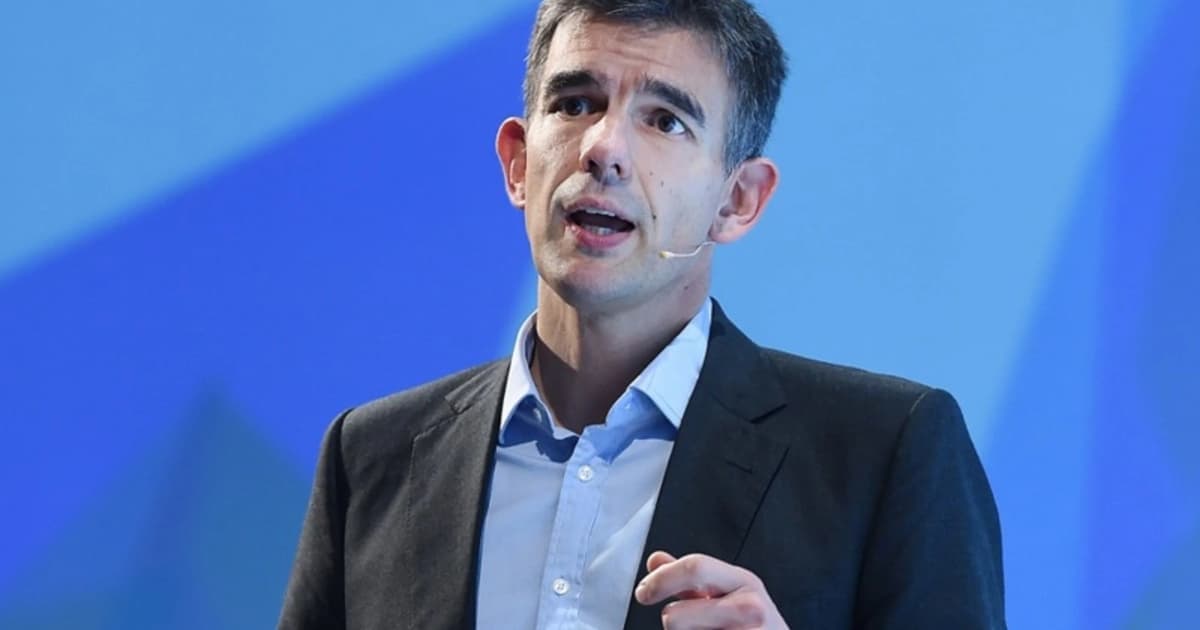
This potential deputy appointment could be crucial for helping Brittin 'grip the BBC, after the recent errors' that have plagued the corporation, though there are questions about how such a relationship would function if mistakes occur.
Brittin will likely focus on transforming and innovating BBC iPlayer, with ongoing debate about whether all public service media companies should consolidate their content on a single platform to survive and retain prominence in the digital age.
There are long-term strategic questions about what public service media will look like in 2035 and how to ensure the BBC remains 'at the heart of national life' amid unprecedented levels of content scrutiny and digital disruption.
More on Britain
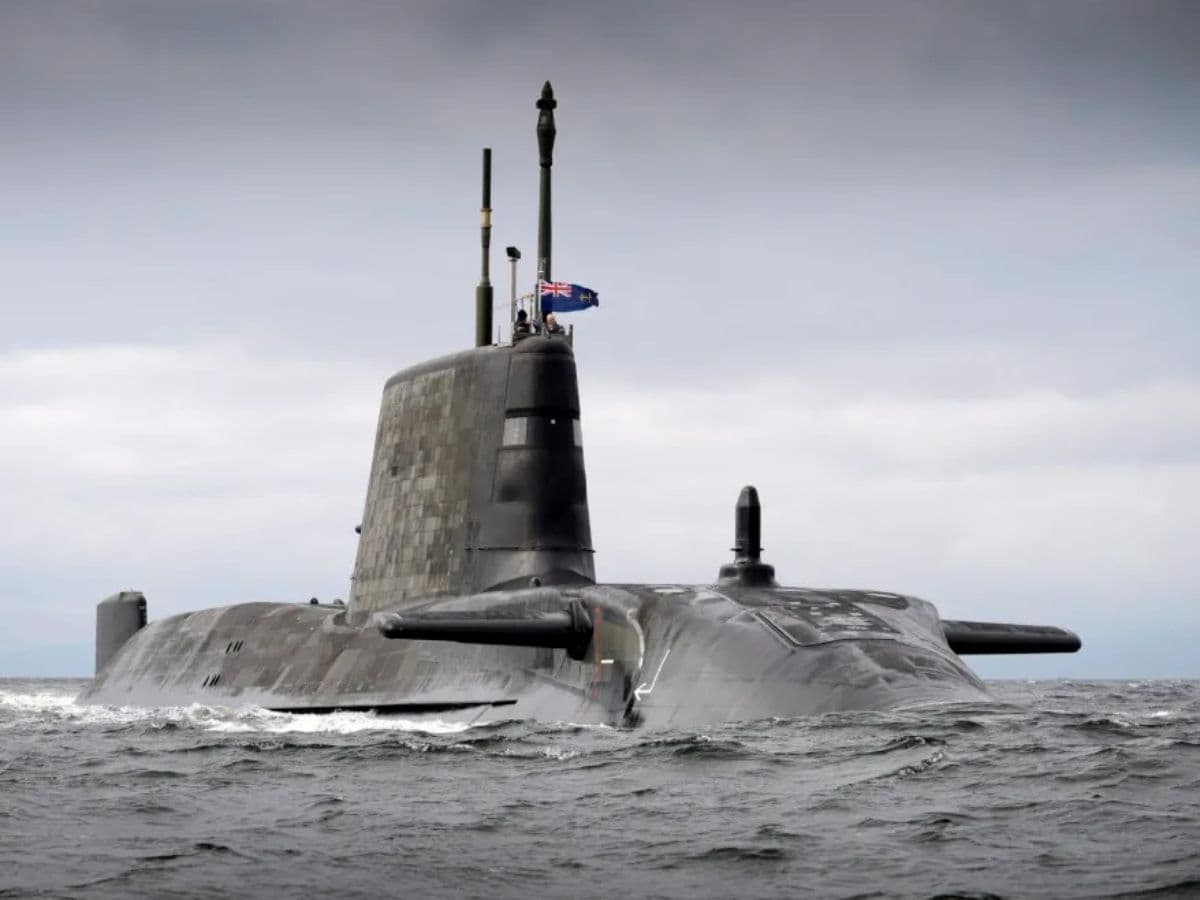
Britain's Nuclear Powered HMS Anson Arrives in Arabian Sea, Ready to Strike Iran
12 sources compared

Iranian Man and Romanian Woman Charged After Attempt to Breach Faslane Nuclear Submarine Base
24 sources compared
Iran Directs Spying on London Jews as Two Men Face UK Charges
12 sources compared
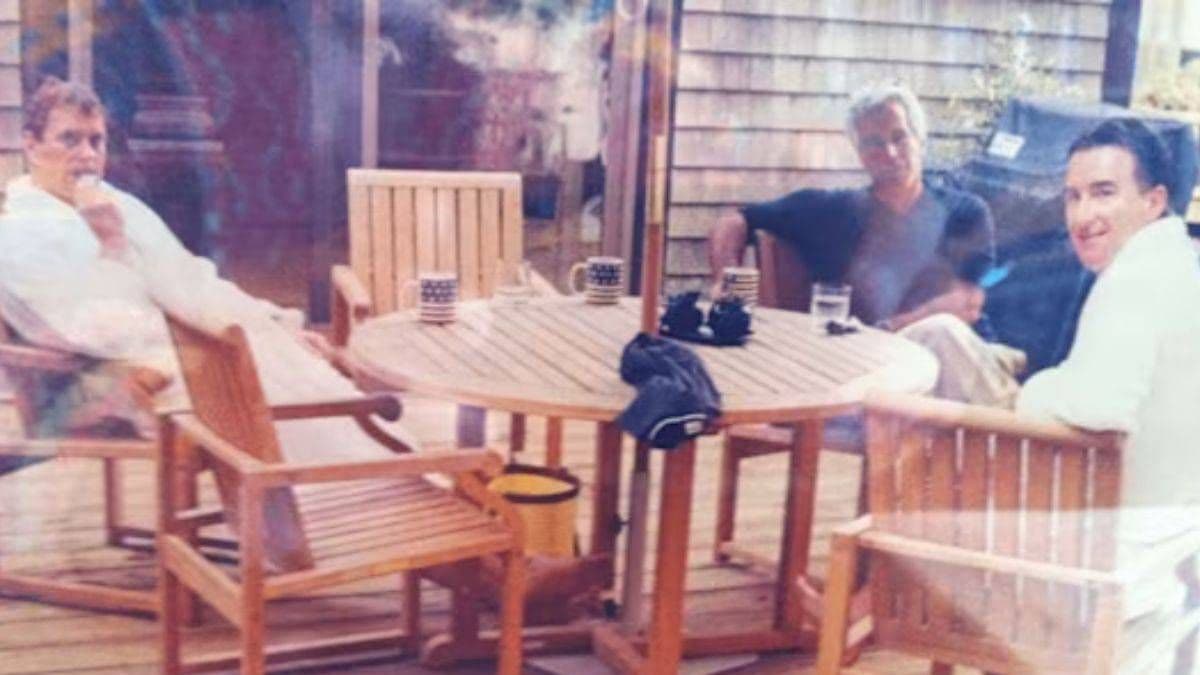
DOJ Releases First Known Photo Showing Andrew Mountbatten-Windsor and Peter Mandelson With Jeffrey Epstein
17 sources compared