Australia20 April, 20267 min read
Ben Roberts-Smith Denies Afghan War Crime Charges After Bail Release
This article is an automated aggregation of coverage from news outlets. Our editorials offer in-depth analysis curated by the NewsCord team.
Ben Roberts-Smith, Victoria Cross recipient and Australia's most decorated soldier, faces five counts of murder. Released on bail with travel restrictions pending trial.
First statement after charges
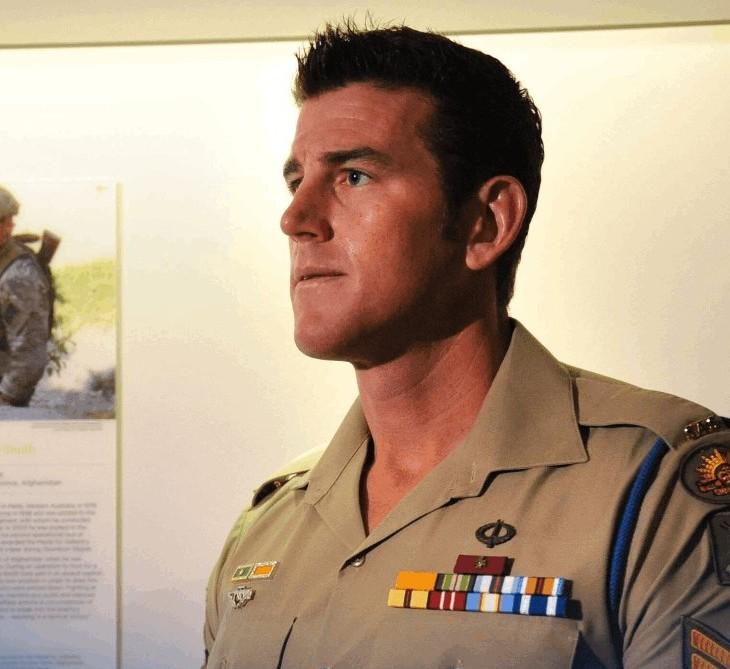
Australia’s most decorated living soldier, Ben Roberts-Smith, has publicly denied all allegations against him in his first statement after being charged with five counts of the war crime of murder last week.
The Victoria Cross recipient, released on bail on Friday, said he was “proud of my service in Afghanistan” and described the charges as an opportunity to “finally” clear his name.
Roberts-Smith, 47, is accused of being involved in the deaths of unarmed Afghan detainees between 2009 and 2012, either by killing them or ordering a subordinate to, according to the BBC.
Sky News reported that he is charged with five counts of war crimes over the alleged murder of five unarmed Afghan civilians in Uruzgan province, in the country’s south, between 2009 and 2012.
Sky News also said each charge carries a maximum sentence of life in prison, and that he is accused of shooting two victims dead and allegedly ordered subordinates to shoot the other three.
In his public remarks, Roberts-Smith told the media that “I categorically deny all of these allegations, and while I would have preferred these charges not be brought, I will be taking this opportunity to finally clear my name,” as quoted by Sky News.
He also said, “I understand this journey will be difficult. But I can promise everybody that I have never run from a fight in my life,” in the BBC account, and “I will never give up and I will always be in the fight,” in The Guardian’s report.
Bail, arrest, and legal timeline
Roberts-Smith was arrested at Sydney airport on 7 April, and after more than a week in custody he was released on bail on Friday, according to the BBC. The BBC said the presiding judge noted that his case was “exceptional” and he was likely to spend “possibly years and years” in custody before it went to trial, if not granted bail. Sky News similarly reported that after more than a week in custody, Roberts-Smith was granted bail after a judge said the case would probably take years to reach court, and that prosecutors opposed bail over concerns he might attempt to contact witnesses.
Sky News also quoted prosecutor Simon Buchen describing the charges as “among the most serious known to the criminal law.” The ABC reported that Roberts-Smith’s case was due to return to court in early June, and that on Friday he was granted bail in the NSW Local Court on strict conditions and a $250,000 security deposit.
The ABC further said Judge Greg Grogin agreed to release a 24-page set of alleged facts in the criminal case, and that the document included an “undertaking” by the Commonwealth DPP for “indemnified witnesses.” Another report, attributed to Reuters by خبرگزاری اطلس, said a court issued bail conditions for Ben Robert Smith with the main condition described as a travel ban only, and that no other restrictions had been announced.
Alleged acts and named victims
Court documents described by the Australian Broadcasting Corporation lay out alleged executions of Afghan detainees and alleged falsification in Australian Defence Force reporting, while Roberts-Smith continues to deny the allegations. The ABC said three indemnified defence force witnesses provided written accounts to prosecutors about their “personal involvement” in executing Afghan detainees “at the direction of or in complicity” with Ben Roberts-Smith, and that the witnesses admitted their involvement “at the direction or with complicity of” their military supervisor. The ABC reported that the alleged facts state that in each instance, the deceased had been captured by the Australian Defence Force and their death was “falsely recorded in ADF reporting.”
It also detailed two murders alleged to have occurred in April 2009 at a compound dubbed “Whiskey 108” in the Tarin Kowt District of Uruzgan Province, Afghanistan, involving Mohammad Essa and his son, Ahmadullah. The ABC said Ahmadullah, who wore a prosthetic leg, was allegedly carried outside, thrown to the ground, and shot by Roberts-Smith with a belt-fed machine gun, and that Mohammad Essa was allegedly placed on his knees and shot dead by another SAS soldier referred to as “the rookie” under Roberts-Smith’s direction.
The ABC included a quoted remark attributed to Roberts-Smith in the alleged facts: “Shoot that c***”. For a separate charge, the ABC described allegations tied to a mission in the village of Darwan in Uruzgan Province after the killing of three Australian personnel by Afghan National Army sergeant Hekmatullah in August 2012, and it said Roberts-Smith is accused of punching and physically assaulting detainees before taking Ali Jan to a cliff edge and kicking him “causing him to fall approximately 10 metres and causing injuries including the loss of teeth.”
Voices: prosecution, defence, and Roberts-Smith
The accounts of the case include competing voices from prosecution, defence, and Roberts-Smith himself, with each emphasizing different aspects of the allegations and the legal posture. Sky News quoted prosecutor Simon Buchen opposing bail and describing the charges as “among the most serious known to the criminal law,” while the BBC described the presiding judge’s view that the case was “exceptional” and that Roberts-Smith was likely to spend “possibly years and years” in custody before trial if not granted bail. Roberts-Smith’s public statements repeatedly framed the charges as a chance to clear his name, telling the media, “I categorically deny all of these allegations, and while I would have preferred these charges not be brought, I will be taking this opportunity to finally clear my name,” as quoted by Sky News.
The BBC reported that he said he was “proud of my service in Afghanistan,” and that he would use the charges as an opportunity to “finally” clear his name, adding that he promised, “I have never run from a fight in my life.” In The Guardian’s account, Roberts-Smith said, “For the past 10 years, my family and I have been subject to a campaign to convince Australians that I’ve acted improperly in my service in Afghanistan,” and he urged the media to allow his family privacy, particularly his children, after what he called “a deliberate, sensational arrest.”
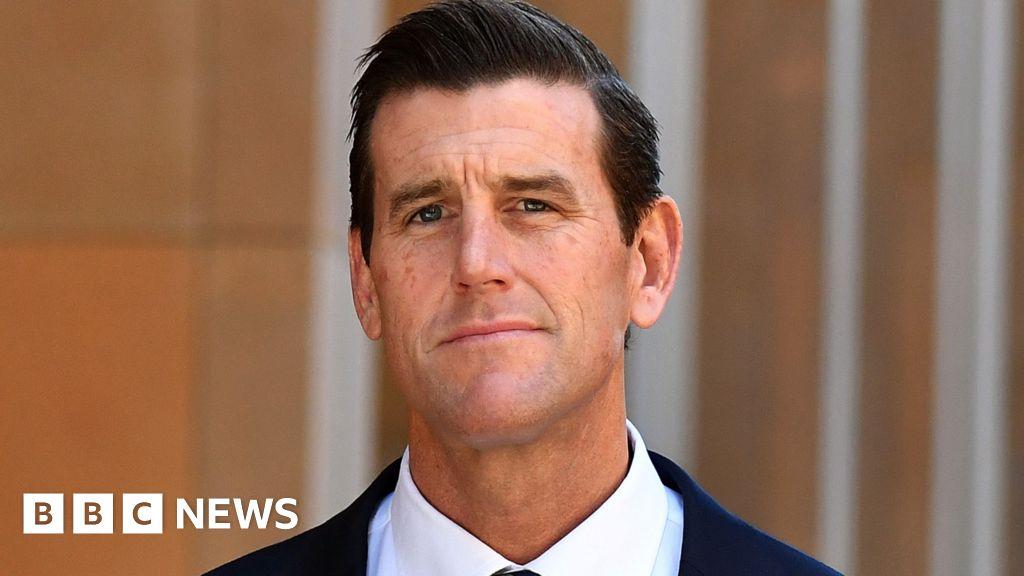
The defence lawyer Slade Howell, quoted by Sky News, described the case as “exceptional” and said the “use of domestic courts to prosecute alleged war crimes committed by a highly decorated Australian soldier deployed overseas repeatedly by the Australian government to fight a war on its behalf is unprecedented and is uncharted legal territory of the common law of this country.” The ABC added that Roberts-Smith has not yet entered pleas, and that the civil defamation case differed from the criminal standard, noting that prosecutors must prove allegations beyond a reasonable doubt.
What happens next and why it matters
The reporting points to an extended legal process, with the next court return scheduled and the case’s evidentiary groundwork already laid out in documents. The ABC said Roberts-Smith’s case is due to return to court in early June, and it described how Judge Greg Grogin agreed to release a 24-page set of alleged facts in the criminal case. The ABC also emphasized that the civil defamation test is different from the criminal test, stating that the civil case involved a judge finding “substantial truth” to some murder claims on the balance of probabilities, while the criminal case requires prosecutors to prove beyond a reasonable doubt.
The BBC similarly noted that the criminal case follows a 2023 civil defamation case in which a judge found there was “substantial truth” to some of the murder claims against him, and it said the high-profile trial was the first time in history any court has examined claims of war crimes by Australian forces. Sky News added that Roberts-Smith was granted bail after a judge said the case would probably take years to reach court, and it described prosecutors’ concerns about contacting witnesses.
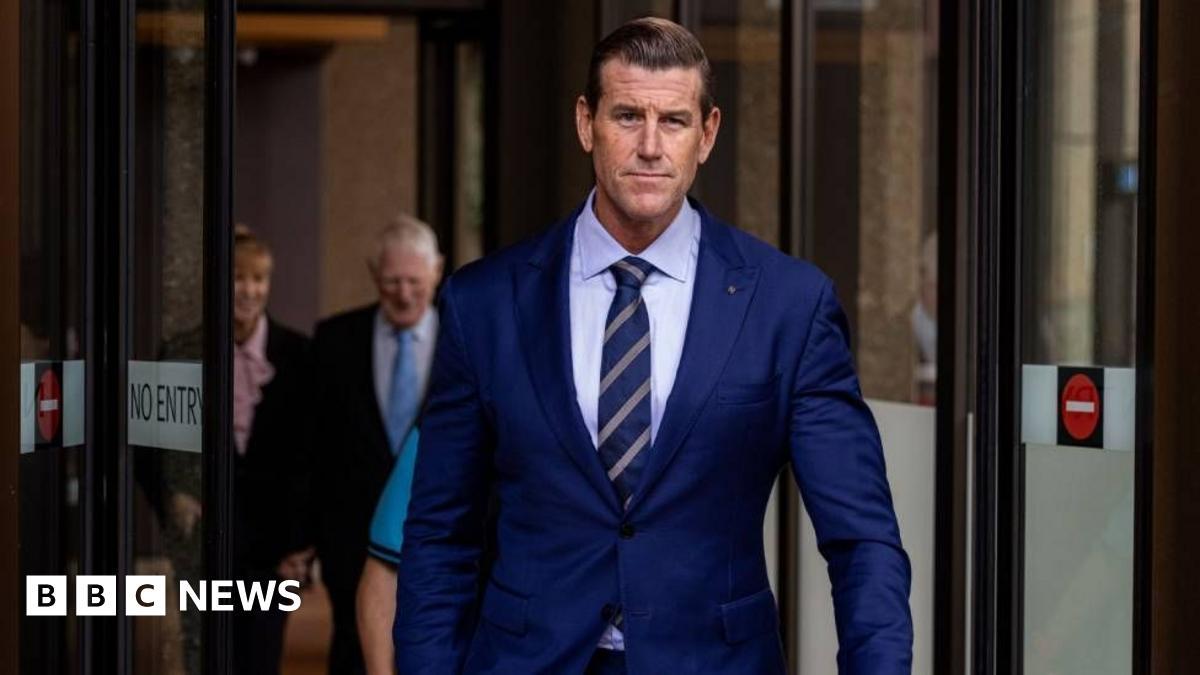
The Guardian’s account of the statement of facts described alleged “common themes” such as that evidence was planted or falsely associated with each deceased to enhance reporting that each killing was within lawful rules of engagement, and it said the statement of facts alleges that each offence was committed when there was no active engagement with enemy forces and the Australian Defence Force was in control of the environment. In addition, the ABC reported that the alleged facts include that a radio was placed near Ali Jan’s body before photographs were taken “to support the false claim that Ali Jan had been an insurgent spotter who presented a threat to ADF troops; and who was lawfully killed.”