Benjamin Netanyahu Says Israel Will Expand Operations in Southern Lebanon as Hezbollah Clashes Continue
Key Takeaways
- Clashes persist between Israel and Hezbollah in southern Lebanon, including near the Litani River.
- Israel intensified air and ground strikes in southern Lebanon, including Tyre.
- US-brokered talks in Washington led to a partial ceasefire plan accepted by both sides.
Ceasefire, then clashes
A U.S.-brokered ceasefire in the Israel-Hezbollah conflict appeared to be holding only nominally as clashes continued in southern Lebanon, with Israel and Hezbollah fighting along the Litani River while days ahead of talks in Washington between Lebanese and Israeli delegations.
“United States President Donald Trump says Israel and Hezbollah have agreed to halt attacks following indirect talks through intermediaries”
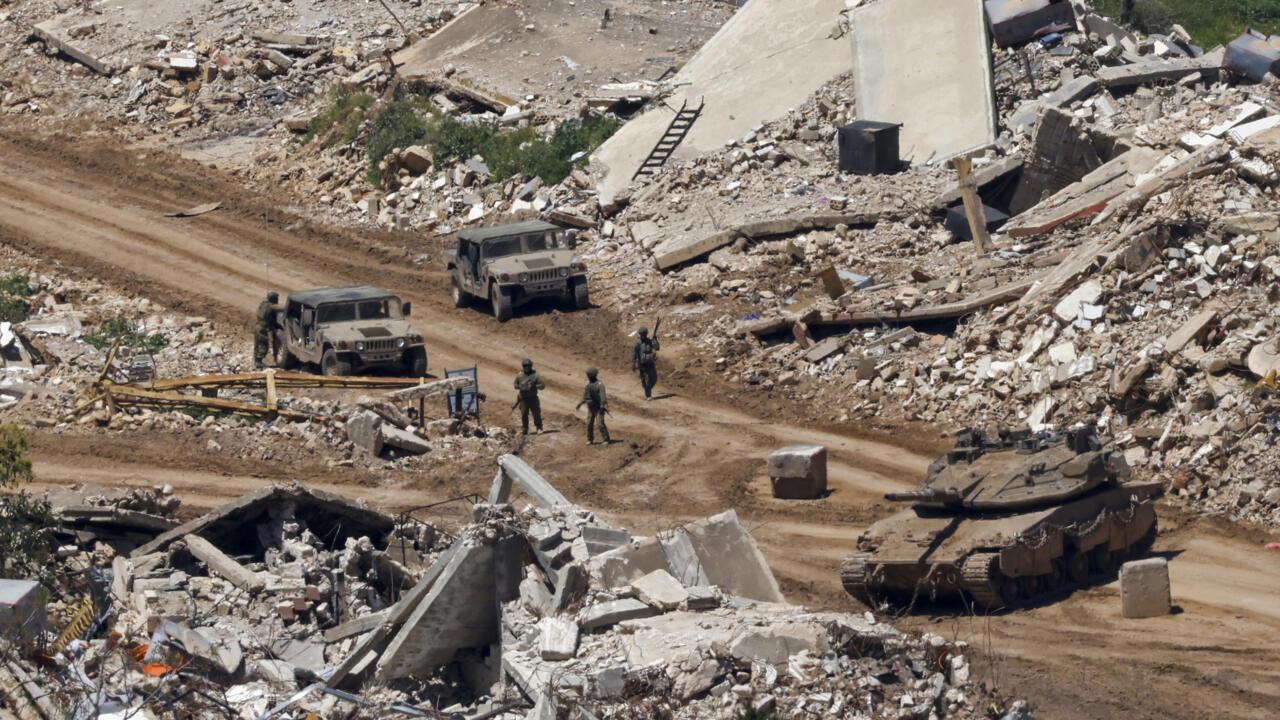
The Litani River has been described as a de facto boundary in Lebanon, with large areas to the south under Israeli military control despite the ceasefire that’s been in place for over a month.

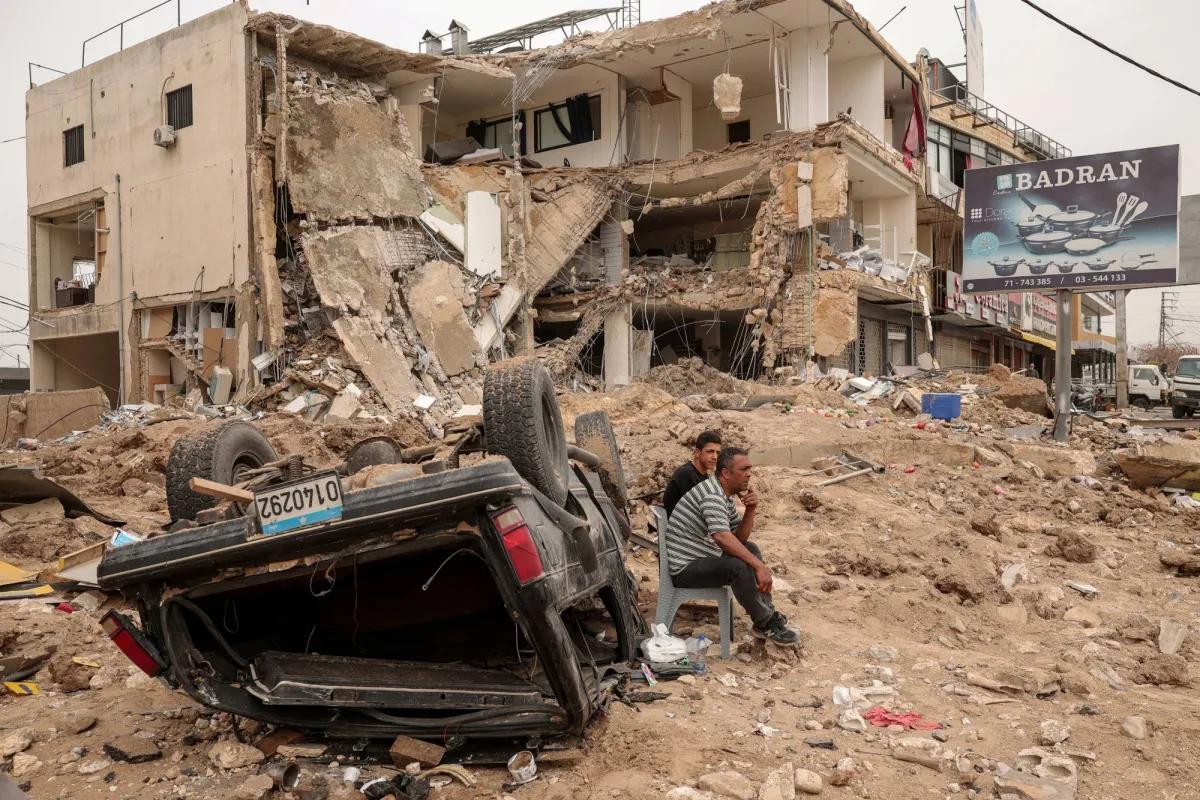
Israeli Prime Minister Benjamin Netanyahu said after meeting with his defense minister and senior military officials that Israel will expand its operations in Lebanon, adding that it is trying to fortify an area of southern Lebanon under its control to protect residents in its northern border towns from Hezbollah rocket and drone attacks.
In Beirut, Tony Aboud said, "By just saying a few words on TV, (Netanyahu) causes everyone to panic and flee their homes," as Lebanon’s capital was described as spared from strikes since the start of the ceasefire but still facing fear after Israel’s latest moves.
AP reported that an Israeli security official said the military had called up an additional battalion to Lebanon, speaking on condition of anonymity, while Israel said it struck more than 100 Hezbollah sites across southern Lebanon and the eastern Bekaa Valley overnight.
Trump’s halt, Netanyahu’s threat
On Monday, U.S. President Donald Trump said Israel and Hezbollah agreed to halt attacks after indirect talks through intermediaries, posting on Truth Social that he had spoken with both Israeli Prime Minister Benjamin Netanyahu and, through “highly placed representatives”, Hezbollah.
Trump wrote, "I had a very good call with Hezbollah, and they agreed that all shooting will stop – that Israel will not attack them, and they will not attack Israel," while the BBC reported Netanyahu confirmed the agreement but said strikes on Beirut would go ahead if Hezbollah did not stop attacking cities and civilians.
The BBC said Netanyahu warned, "If Hezbollah does not stop attacking our cities and civilians … Israel will attack terror targets in Beirut," and that Israeli forces would still operate in south Lebanon.
Lebanon’s embassy in Washington released a statement saying Hezbollah accepted a US proposal for a “mutual cessation of attacks,” with the ceasefire framework to be expanded to encompass all Lebanese territories, and Prominent Hezbollah MP Hassan Fadlallah said the group supports a “full ceasefire on all Lebanese territory”.
The BBC also reported that Hezbollah said its fighters targeted Israeli tanks in the southern Lebanese towns of Haddatha and Bayada with missiles and shells, while the Israeli military said it intercepted two projectiles fired from Lebanon with no injuries reported.
Numbers, displacement, and stakes
The conflict’s human toll and displacement were central to the stakes described in the reporting, with Al Jazeera saying that according to the Lebanese Ministry of Public Health, more than 3,412 people have been killed and 10,269 wounded in Israeli attacks on the country since March 2.
“Israel and Hezbollah clash along a strategic Lebanese river after overnight strikes Israel and Hezbollah clash along a strategic Lebanese river after overnight strikes BEIRUT (AP) — Israel’s military clashed with the Iran-backed militant Hezbollah group Tuesday along a strategic river in southern Lebanon as Israeli troops pushed farther north, days ahead of talks in Washington between Lebanese and Israeli delegations”
Al Jazeera also said the escalation has displaced more than one million people in Lebanon and raised fears that Israel could launch deeper operations towards Beirut, while BBC reported at least 3,433 people have been killed in Lebanon since the start of the war according to the country’s health ministry.
In southern Lebanon, AP reported that an Israeli strike on a village in eastern Lebanon killed at least 12 people, and that one strike hit the eastern village of Mashghara, killing 12 people including several members of the same family, according to Lebanon’s state-run National News Agency.
The BBC quoted Iranian Foreign Minister Abbas Araghchi warning that the US-Iran truce was “unequivocally a ceasefire on all fronts, including in Lebanon” and that “its violation on one front is a violation of the ceasefire on all fronts”.
With the ceasefire tied to broader negotiations, the BBC said a US official reported Secretary of State Marco Rubio proposed a plan for "gradual de-escalation" there to Netanyahu and Lebanese President Joseph Aoun, while Iran’s position was described as insisting that any agreement must include an end to the fighting in Lebanon.
More on Lebanon
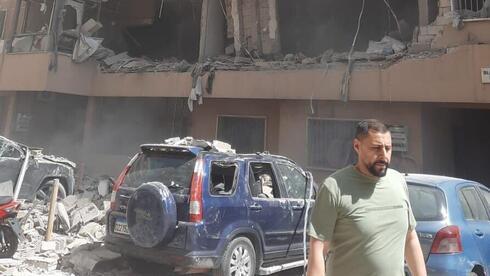
Israel Strikes Beirut’s Southern Suburbs, Killing Two After Hezbollah Fires
37 sources compared

Iran’s IRGC Launches Ballistic Missiles at Israel’s Ramat David Airbase After Beirut Strike
13 sources compared
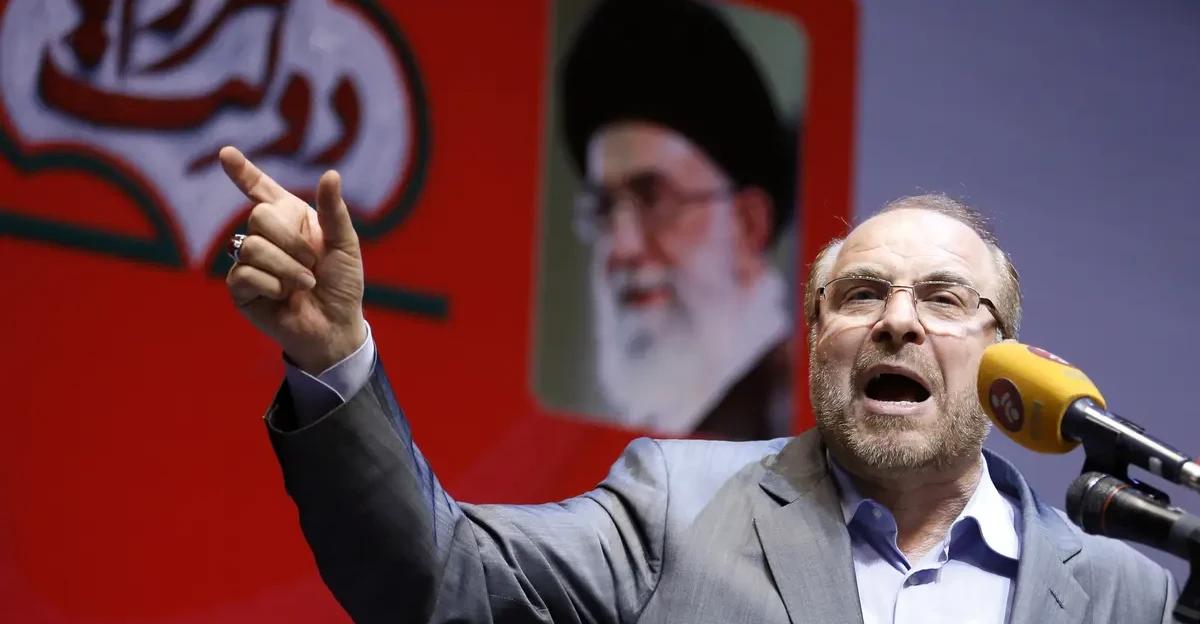
Iran Warns It Will Respond With Force After Israeli Strikes Hit Beirut’s Dahiyeh
14 sources compared
Macron and Nawaf Salam Say Lebanon’s Sovereignty Requires Exclusive Arms Control and Israel’s Withdrawal
13 sources compared