Gaza Genocide28 June, 20263 min read
Bezalel Smotrich Withdraws Hebron Municipality Planning Powers, Transferring Files to Israeli Authorities
This article is an automated aggregation of coverage from news outlets. Our editorials offer in-depth analysis curated by the NewsCord team.
Smotrich stripped Hebron's planning and building powers and handed them to Israeli authorities. Ends the Hebron Protocol and paves way for full Israeli control over Hebron.
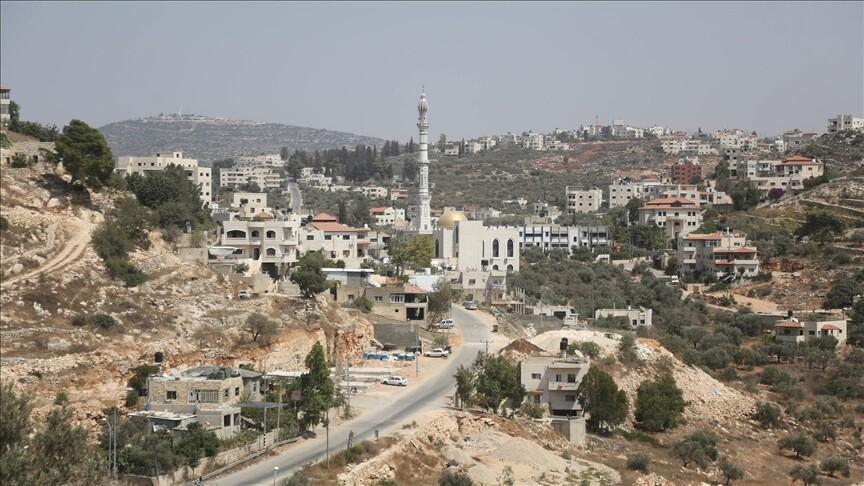
Smotrich strips Hebron powers
Israeli far-right Finance Minister Bezalel Smotrich announced steps to withdraw planning and building powers from the Hebron municipality in large parts of the city, transferring full responsibility for urban-planning files to Israeli authorities in areas including the Old City and the surroundings of the Ibrahimi (Cave of the Patriarchs) Shrine. The move was described by observers and Palestinian officials as the 'end' of an international treaty of nearly three decades, and it came during a ceremony laying the foundation for a new settlement south of Hebron in the presence of Israeli Defense Minister Yisrael Katz. The Hebron Protocol, signed on January 17, 1997, divides Hebron into Hebron Area 1 under Palestinian control covering about 80% of the city’s area and Hebron Area 2 under direct Israeli control, including the historic Old City and the Ibrahimi Mosque.
In response, Hebron Governor Khaled Dudin described the decision as 'terrorist' par excellence, stressing that the Ibrahimi Mosque and the Old City are on UNESCO’s World Heritage List as Palestinian sites. The Palestinian Information Center said the Israeli Foreign Ministry quickly moved to soften the rhetoric by claiming the Hebron Agreement had not been formally canceled, while public statements by Israeli officials and on-the-ground measures were seen as contradicting that denial.
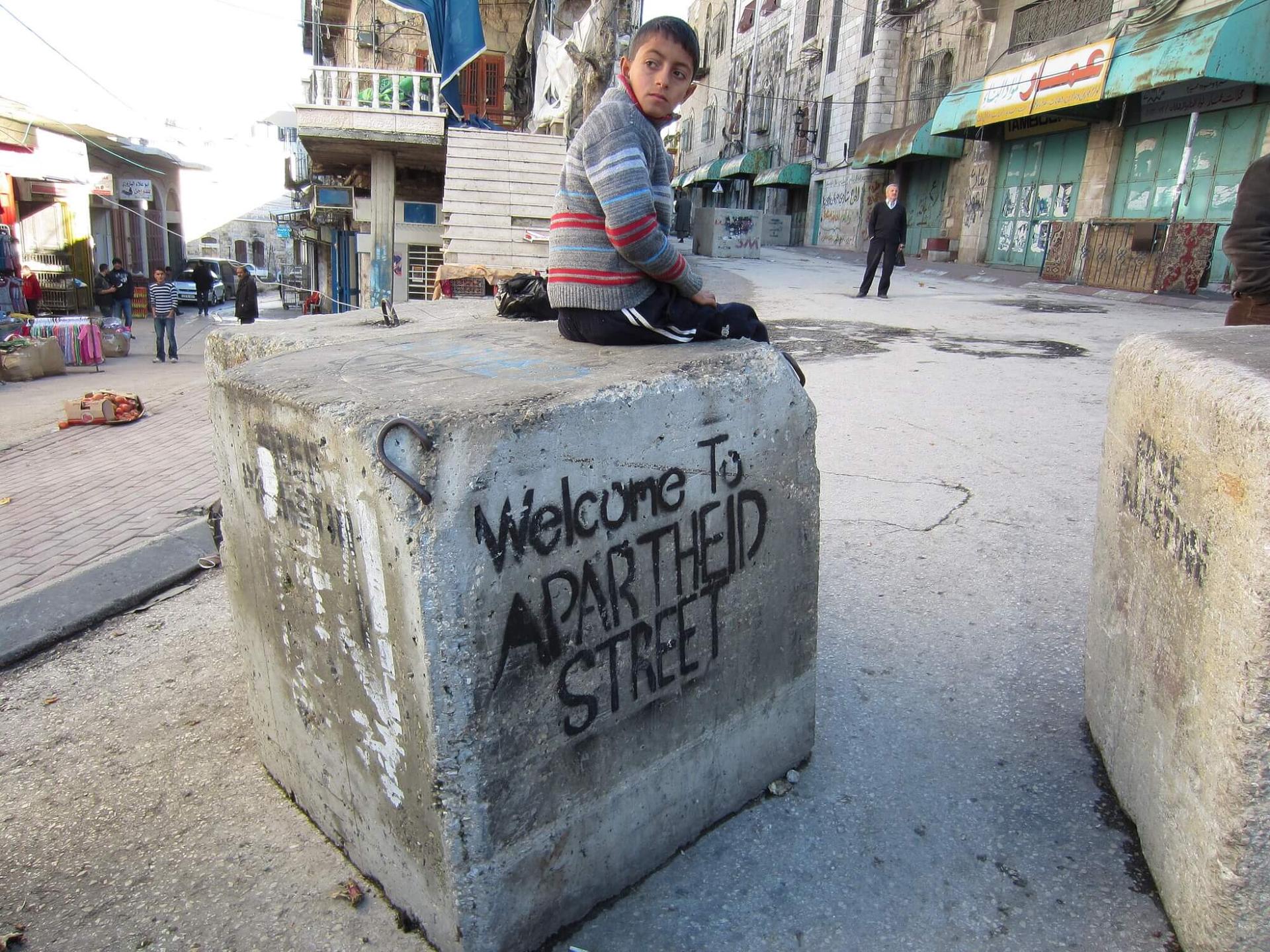
Condemnations and competing narratives
Peace Now said the decision represents another step in Israel’s official path to undermine its obligations under previous agreements, dismantle Palestinian governance mechanisms in Hebron, and expand its direct authority to include one of the largest Palestinian cities in the West Bank.
Peace Now also argued that the cabinet decision issued in February 2026 (No. B/229) and the Higher Planning Council decision issued in June 2026 effectively cancel the previous arrangements regarding the settlements and religious sites specified in Hebron, transferring planning and building authority to Israeli planning bodies.

On the other side, the West Bank settlement council welcomed the decision, saying: 'Hebron is the place where the story of the Jewish people in the Land of Israel begins... This is a fundamental step long awaited; we have waited for many years.'
The Israeli Foreign Ministry denied canceling the agreement, while the Israeli far-right Finance Minister Bezalel Smotrich described the move as 'the cancellation of the Hebron agreement,' according to Al-Ain News.
Palestinian officials warned that unilateral measures touch signed agreements and constitute a flagrant violation of international law, with the Palestinian presidency calling on the international community led by the United States to intervene immediately to halt the steps undermining the two-state solution.
What comes next in Hebron
Following the decision, Israel approved, on Wednesday, the construction of buildings in Hebron without Palestinian consent for the first time in decades, as the Higher Planning Council approved the construction of 576 settlement units in the West Bank. The Higher Planning Council also approved a 1,000-square-meter building for the Shavi Hebron religious school without Hebron Municipality approval, and TRT عربي said the approval came after a change in planning powers announced by Smotrich. The Palestinian Resistance to the Wall and Settlements Commission said Netanyahu’s government, since its formation about three and a half years ago, approved at least 103 new settlement sites in the West Bank, distributed between new settlements and outposts being regularized and legalized, and independent neighborhoods.
Hamas and Islamic Jihad warned that the Israeli move is not limited to Hebron but represents a model for a broader annexation process targeting the entire West Bank, describing it as an unprecedented escalation and an attempt to impose a new fait accompli. Mondoweiss reported that the religious school project near the Beit Romano settlement was the first project in that part of the city authorized without the Palestinian municipality’s knowledge or consent, and it said Hebron Mayor Youssef al-Jabari described the decision as a “direct violation of the Hebron Protocol”.