Ukraine War07 May, 20262 min read
Biotexcom Surrogacy Clinic Operates In Kyiv Under Putin's Bombs, With Italian Parents Waiting
This article is an automated aggregation of coverage from news outlets. Our editorials offer in-depth analysis curated by the NewsCord team.
Biotexcom's Kyiv surrogacy clinic continues operations amid war. Ukraine remains a global surrogacy hub for foreign couples.

Surrogacy amid bombardment
In Kyiv, the surrogacy clinic Biotexcom continued operating “under Putin's bombs,” with men waiting along train platforms displaying the “Biotexcom” sign as foreign couples sought reproductive services during the war. The clinic’s staff described a “wide range of reproductive services,” including “homologous and heterologous fertilization and gestational surrogacy,” and said the practice has made Ukraine “the global hub of surrogacy,” with “2,000–2,500 newborns a year.”
Avvenire said the clinic’s headquarters in Kyiv’s Tatarka district resumed seeking surrogate mothers “Since April,” and described a bunker-like lower floor transformed “with the start of the Russian offensive.” The same article reported that “19 babies were born to Italian parents” in almost three months of conflict, and that “at the moment, there are 45 women pregnant.”

Trafficking claims and denials
A TF1 Info report described a video posted online that denounces “a trafficking in small human beings” in Ukraine and targets a Kyiv surrogacy center where the practice is legal. It said the sequence was published on Twitter on February 4 and that in the caption La Manif pour Tous stated: “While Ukraine is under bombardment, a surrogacy agency dares to take advantage of the circumstances to release an advertising video.”
TF1 Info also quoted a legal framing from La Manif pour Tous president Ludovine de la Rochère, saying, “The only things explicitly forbidden are advertising in favor of surrogacy, surrogacy for single men and for same-sex couples.” In contrast, the BBC reported that in 2018 the prosecutor’s office launched an investigation into BioTexCom’s chief executive officer Albert Tochilovsky and two other former staff members on suspicion of offences including human trafficking, and that BioTexCom and Tochilovsky “categorically deny the allegations.”
Legislation and future access
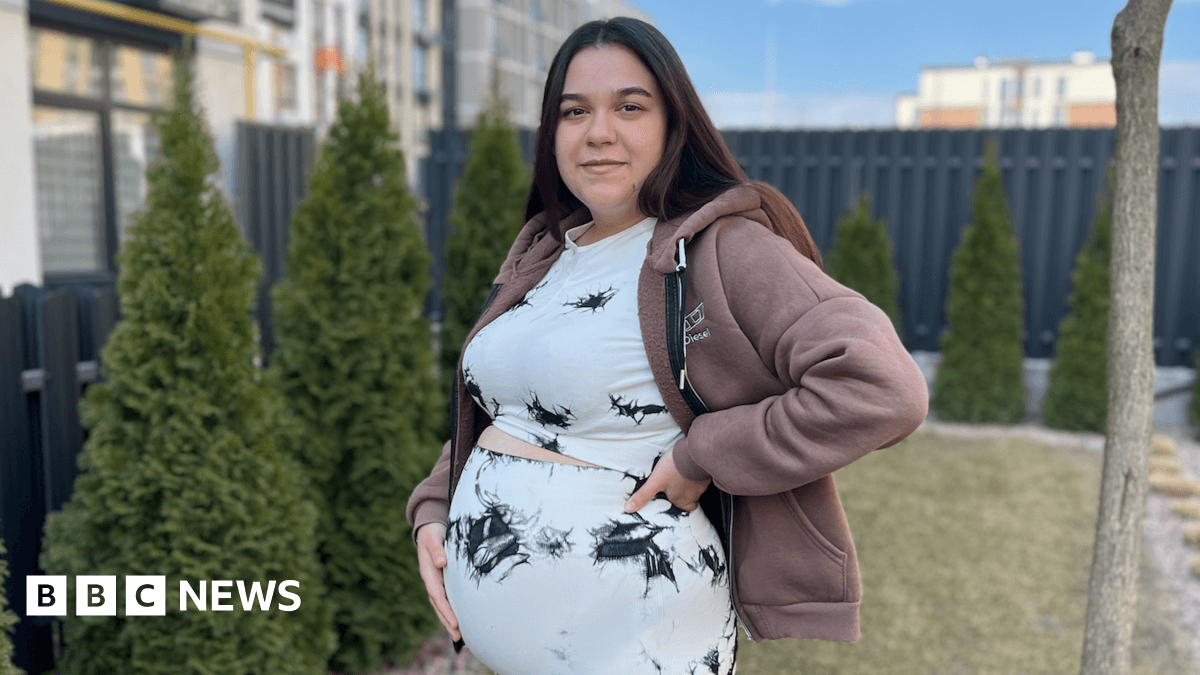
The BBC reported that Ukraine’s parliament is considering a bill that would introduce “stricter oversight of the surrogacy industry” and effectively ban access to foreigners, who it said make up “95% of the intended parents.” The BBC also quoted women’s rights activist Maria Dmytrieva, who said, “Because of the war the number of women who are desperate is growing,” and argued clinics offer surrogacy because “Western couples want to buy babies cheaply.”
The same BBC account said the proposals have widespread support across Ukraine’s parliament and that the bill aims to regulate an industry accused of “turning reproduction into a commodity and exploiting poor, vulnerable women.” In parallel, SWI swissinfo.ch described how the war disrupted the market, saying the “market for surrogacy in Ukraine has been severely affected by the war,” and noted that “of the 52 children born since the start of the war, about twenty are still waiting in a shelter.”