
US Implements Naval Blockade Of Iran As Tehran Threatens To Block Gulf Shipping
Key Takeaways
- The United States blockade of Iranian ports in the Strait of Hormuz has begun.
- Trump threatens to eliminate Iranian ships approaching the blockade.
- Ceasefire talks and extension prospects continue amid the blockade.
US-Iran Ceasefire and Blockade
The two-week ceasefire between the US and Iran hung in the balance as the Trump administration fully implemented a naval blockade of Iranian ports.
Iran's armed forces threatened to block shipping from the Persian Gulf, Sea of Oman, and Red Sea if the US continued its blockade.

In-person talks between the US and Iran could resume as early as the week following, with Pakistan emerging as a key mediator.
The war had killed more than 3,300 people in Iran, over 2,100 in Lebanon, and 23 in Israel, with 13 US service members killed.
Negotiations and Mediation
Pakistan's army chief met in Tehran with Iran's foreign minister to arrange a second round of negotiations.
Mediators were pushing for a compromise on Iran's nuclear program, the Strait of Hormuz, and compensation for wartime damages.

Iran said it must be able to continue enrichment based on its needs.
The US urged a 20-year moratorium; Iran countered with five years.
The White House rejected that offer.
International Reactions and Economic Impact
The President of the European Council stressed the need to preserve the ceasefire process.
The EU urged all parties to work in good faith to reach a lasting agreement.
The S&P 500 and Nasdaq hit record highs despite the war.
Oil prices fell below $100 a barrel.
The economic impact of the war was felt globally.
Congressional Pressure and War Costs
Sanders prepared to force votes to block weapons deliveries to Israel.
The weapons would be paid for by American taxpayers through Foreign Military Financing.

The cost of war exceeded what the average taxpayer pays for SNAP, education, and housing combined.
The blockade and weapons transfers enabled Israel to continue campaigns of ethnic cleansing.
More on Iran

US And Iran Endure Failed Islamabad Talks Amid Ceasefire In Operation Epic Fury
10 sources compared
British Chancellor Rachel Reeves Calls US War on Iran a Mistake That Endangers Global Safety
17 sources compared
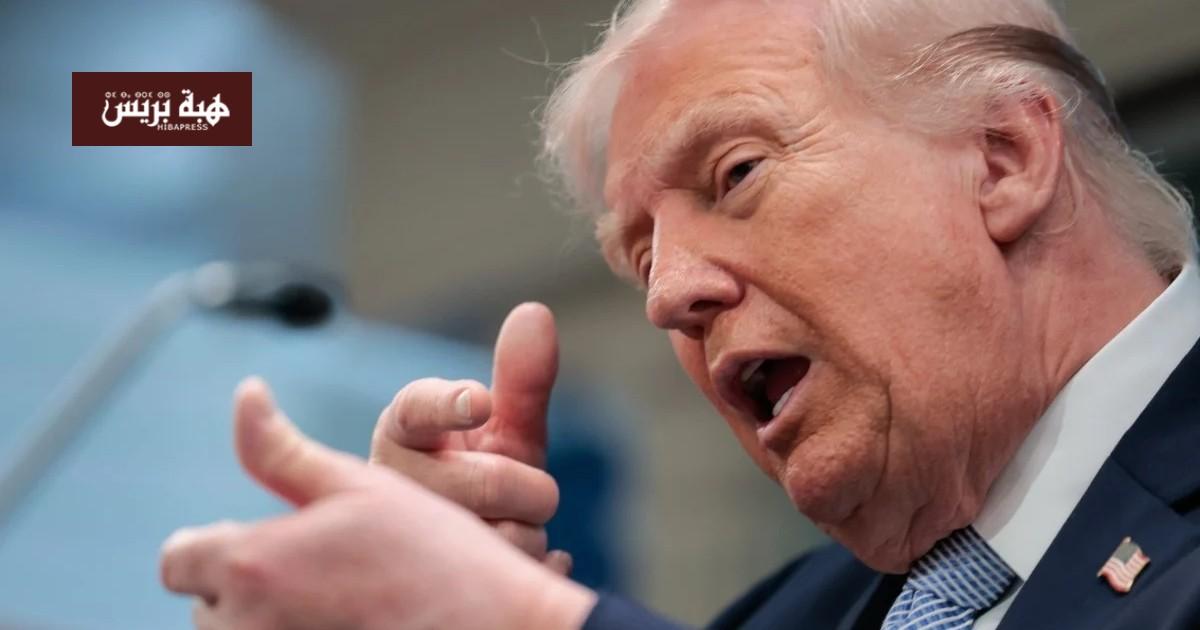
Trump Declares Iran War Close To Over Amid U.S. Naval Blockade And Iranian Threats
16 sources compared
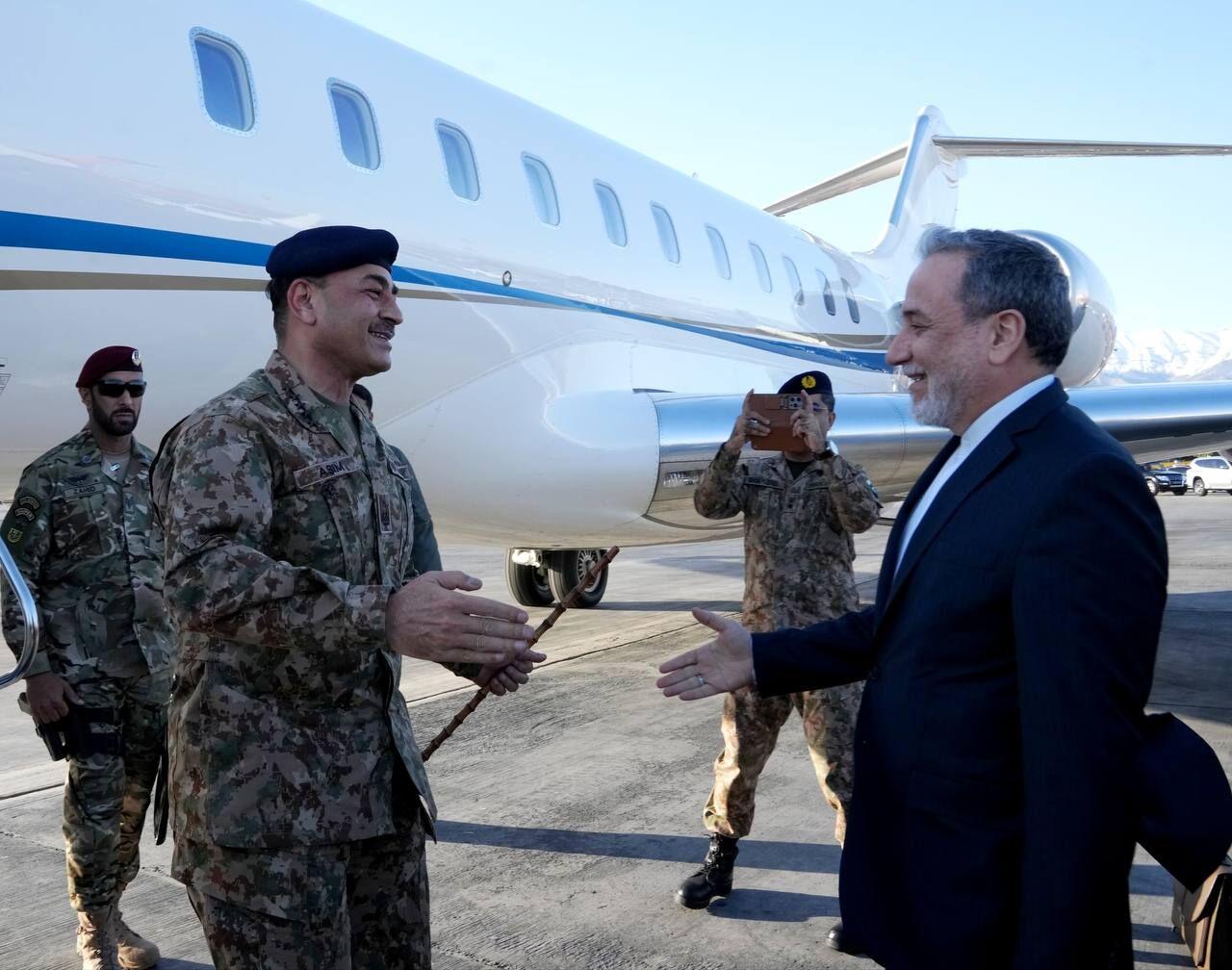
Pakistan Army Chief Arrives in Tehran to Mediate Second Round of US-Iran Talks
52 sources compared