Iran Mocks Donald Trump as Oil Prices Surge Past $125 and Strait of Hormuz Stays Closed
Key Takeaways
- Oil surges above $125 as Strait of Hormuz remains a flashpoint.
- Iran mocks Trump; US weighs military options to break Iran deadlock.
- US Central Command briefs Trump on three military options against Iran.
Oil Prices, Strait Pressure
Iran has mocked Donald Trump over rising oil prices as crude surged past $125 a barrel, with Mohammed Bagher Ghalibaf warning that global prices would push to $140 unless Washington changes its approach.
The Independent reported that Iran’s parliament speaker wrote “[Three] days in, no well exploded. We could extend to 30 and livestream the well here,” responding to Trump’s warning that Iran’s oil pipelines would “explode from within” if the US blockade held.
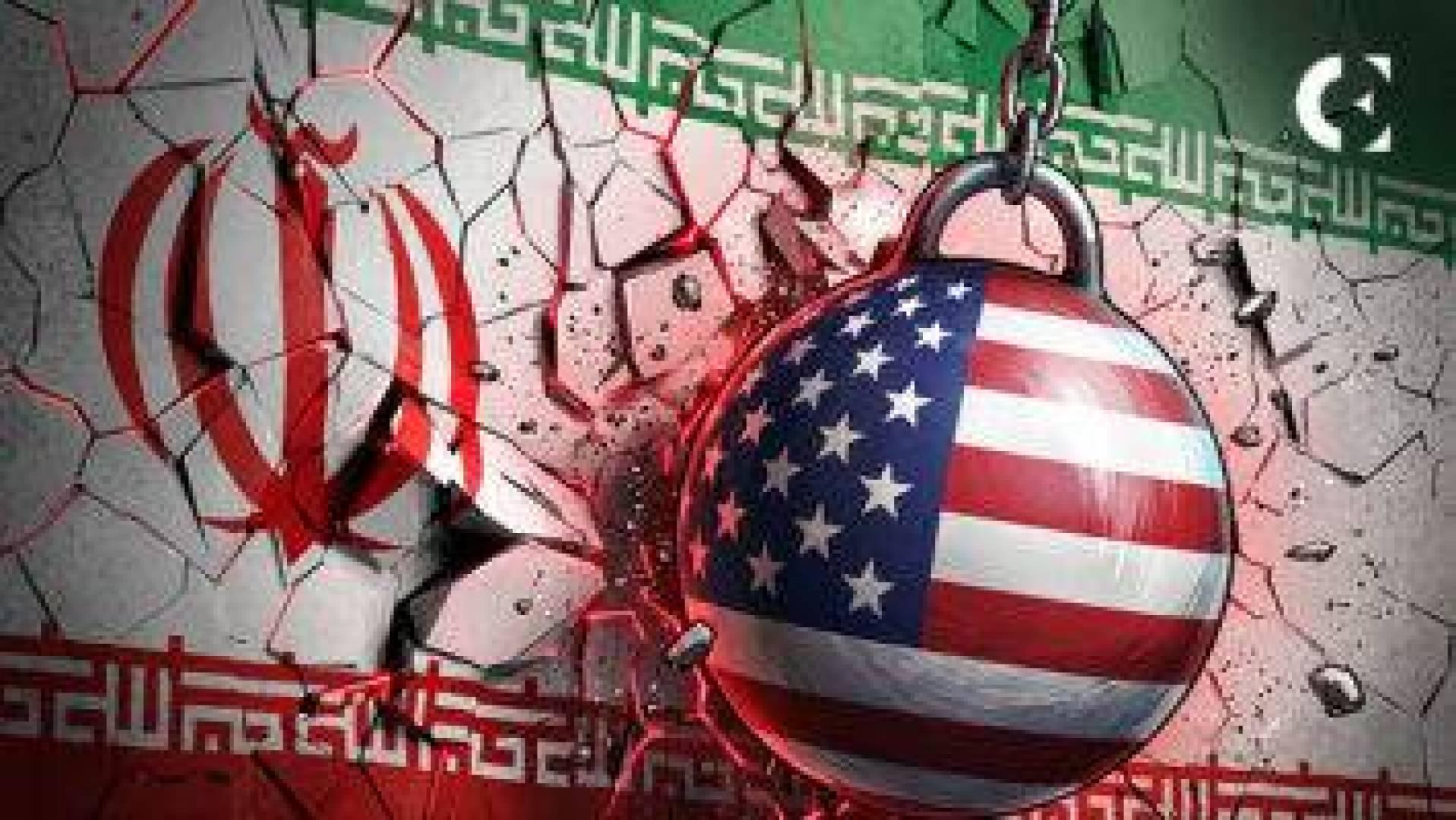
The same article said Brent crude oil pushed past $125 a barrel early on Thursday as stalled US-Iran talks raised doubts over reopening the Strait of Hormuz.
It also reported that crude to be delivered in June jumped 6.2 per cent to $125.36 early Wednesday.
NBC News said Iran warned Thursday that the U.S. naval blockade was “doomed to fail” as energy prices rose to their highest point in years, with Brent rising to more than $126 a barrel at one point overnight.
NBC News added that Brent later fell back to just under $116 a barrel as of 7 a.m. ET, while U.S. gas prices averaged $4.30 a gallon on Thursday.
The BBC reported that Brent crude rose by almost 7% to more than $126 (£94) a barrel at one point, before falling back to around $116 in European trade, and said the Strait of Hormuz waterway was still effectively closed.
Escalation Timeline and Options
The current standoff has been tied to a sequence of actions and counteractions that multiple outlets described as pushing both sides toward military planning.
NBC News said the international benchmark price for oil, Brent crude, rose to more than $126 a barrel at one point overnight and linked the spike to an Axios report that the U.S. military was set to brief President Donald Trump on plans for potential military action to help break the deadlock in talks to end the war and reopen the key trade route.

NBC News also said one plan prepared by U.S. Central Command includes a wave of “short and powerful” strikes intended to force Iran back to the negotiating table, and it noted Trump’s warning that Iran had "better get smart soon" as he weighed possible military options to reopen the strait.
The BBC similarly reported that US Central Command had prepared a plan for a wave of "short and powerful" strikes on Iran to try to break the deadlock in negotiations with Tehran, citing Axios.
The Independent added that Trump reportedly considered new options to reopen the Strait and end the war, including possibly putting boots on the ground to ensure commercial shipping could get through the Strait.
It also reported that Centcom commander Adm. Brad Cooper would present plans to the president aimed at breaking the deadlock, and that Centcom had mocked up options including a “short and powerful” wave of strikes likely including infrastructure.
The Independent further said another plan could see the deployment of ground forces to take over part of the Strait of Hormuz and reopen it to commercial shipping, and a third option under consideration was using special forces to seize the stockpile of highly enriched uranium inside Iran.
BusinessLine reported that the US and Israel began air strikes on Iran on February 28 and that it retaliated by closing off almost all shipping through the Strait of Hormuz, while the US imposed a blockade of Iranian ports amid a ceasefire that paused active combat.
Iran’s Message and U.S. Enforcement
Iran’s response to the blockade and the prospect of new U.S. military options was framed as defiance and insistence on control of the waterway.
“Oil prices jumped to their highest since 2022 after a report that the US military is set to brief President Donald Trump on new plans for potential action in the Iran war”
NBC News reported that President Masoud Pezeshkian said in his statement marking Persian Gulf National Day that the U.S. blockade was "doomed to fail" and that "any attempt to impose a blockade and maritime restrictions is contrary to international law and against the interests of the nations of the region and global peace and stability."
NBC News also said Iran’s new supreme leader vowed Thursday that the Islamic Republic will protect its “nuclear and missile capabilities” as national assets, with Mojtaba Khamenei speaking in a written statement read aloud on state television.
The BBC reported that a statement attributed to Iran's Supreme Leader Mojtaba Khamanei said Tehran would secure the Strait of Hormuz and eliminate "the enemy's abuses of the waterway," and it added that Khamanei said a "new chapter" for the region had been taking shape since the start of the US-Israeli war with Iran on 28 February.
On the U.S. side, NBC News said CENTCOM Commander Adm. Brad Cooper stated that the U.S. had so far redirected 42 vessels attempting to violate its blockade and that there were also 41 tankers with 69 million barrels of oil “that the Iranian regime can’t sell” at an estimated worth of more than $6 billion dollars.
NBC News quoted Cooper saying, “The blockade is highly effective and U.S. forces remain fully committed to total enforcement,” and it said he posted that line on X.
The Independent reported that Trump insisted last month he did not “need help” from Nato allies in escorting ships through the strait and later called allies “cowards” for not “want[ing] to help” reopen the channel to commercial shipping.
It also said Britain and France had brought together dozens of countries to plan a multinational coalition to reopen the Strait “as soon as conditions permit, following a sustainable ceasefire agreement”.
Market Fallout and Local Costs
The blockade and the threat of renewed strikes were described as feeding directly into energy prices and downstream costs, with outlets tying the oil moves to consumer impacts.
NBC News said gas prices in the U.S. rose to an average of $4.30 a gallon on Thursday, also the highest level in nearly four years, and it linked the spike to the Axios report about a briefing for potential military action.
The BBC reported that crude oil is a key ingredient in petrol and diesel and that the jump in costs since the start of the Iran war had pushed up pump prices for motorists, adding that in the UK petrol currently costs an average of 157p a litre, according to motoring group RAC, which is 24p higher than before the start of the war.
The BBC also said diesel is at 188.5p a litre, up 46p compared with its pre-war price, and it quoted RAC head of policy Simon Williams saying, "our analysis of wholesale costs shows petrol is now more expensive for retailers to buy than at any time since the war began".
The BBC further reported that the UK government has warned people could face higher energy, food and flight ticket prices as a result of the war, and it said some airlines have already started to raise fares or reduce flights.
It added that fertiliser prices have also started to increase, which could have a knock-on effect on food prices, and it included a quote from Naveen Das, senior oil analyst at Kpler, saying an oil price approaching $125 is the point where businesses and politicians "start to get a bit more jittery".
The Independent described the price pressure as coming as stalled US-Iran talks raised doubts over reopening the Strait of Hormuz and said crude to be delivered in June jumped 6.2 per cent to $125.36 early Wednesday.
BusinessLine said the conflict has killed thousands and caused what analysts say is the world’s biggest energy disruption ever, while also describing the US and Israel air strikes on February 28 and the subsequent closure of almost all shipping through the Strait of Hormuz.
Diverging Frames and What Comes Next
Outlets framed the same underlying developments—rising oil prices, blockade enforcement, and military options—through different emphases, from Iran’s rhetoric to market mechanics and supply-chain consequences.
The Independent foregrounded Iran’s response to Trump’s threats, quoting Mohammed Bagher Ghalibaf’s line about “Next stop:140” and describing how he dismissed Trump’s “blockade theory” while noting that the price of Brent crude surged past $125 a barrel early on Thursday.
NBC News emphasized the blockade’s claimed effectiveness and the immediate policy debate inside Washington, saying Trump and other top administration officials met with a group of energy industry executives earlier this week to discuss continuing the blockade “for months if needed,” and it reported that members of Trump’s national security team presented multiple options.
The BBC focused on the market and consumer impacts, describing how petrol and diesel prices in the UK moved and quoting Simon Williams and Naveen Das about wholesale costs and jitteriness around $125.
BusinessLine framed the situation as a deadlock over nuclear issues and strait control, saying talks have deadlocked with the US insisting on discussing Iran’s alleged nuclear weapons programme and Iran demanding some control over the strait and reparations for damage from the war.
It also cited ING analysts saying, “The oil market has moved from over-optimism to the reality of the supply disruption we are seeing in the Persian Gulf,” and it quoted IG market analyst Tony Sycamore saying, “Prospects for any near-term resolution to the Iran conflict or a reopening of the Strait of Hormuz remain dim.”
Looking ahead, NBC News said the U.S. military was set to brief Trump on Thursday on plans for potential action, while the BBC said the key Brent futures contract for June delivery was due to expire on Thursday and that the Strait of Hormuz waterway remained effectively closed.
The Independent added that with no clear path back to diplomacy, Trump was expected to be briefed on new military options for his war in Iran on Thursday, and it said Centcom commander Adm. Brad Cooper would present plans aimed at breaking the deadlock.
Across the reporting, the stakes were repeatedly tied to the Strait’s disruption and the possibility of escalation, with NBC News stating that traffic in the waterway has been at an effective standstill since Iran attacked shipping after the U.S. and Israel launched their joint assault in late February.
More on Iran
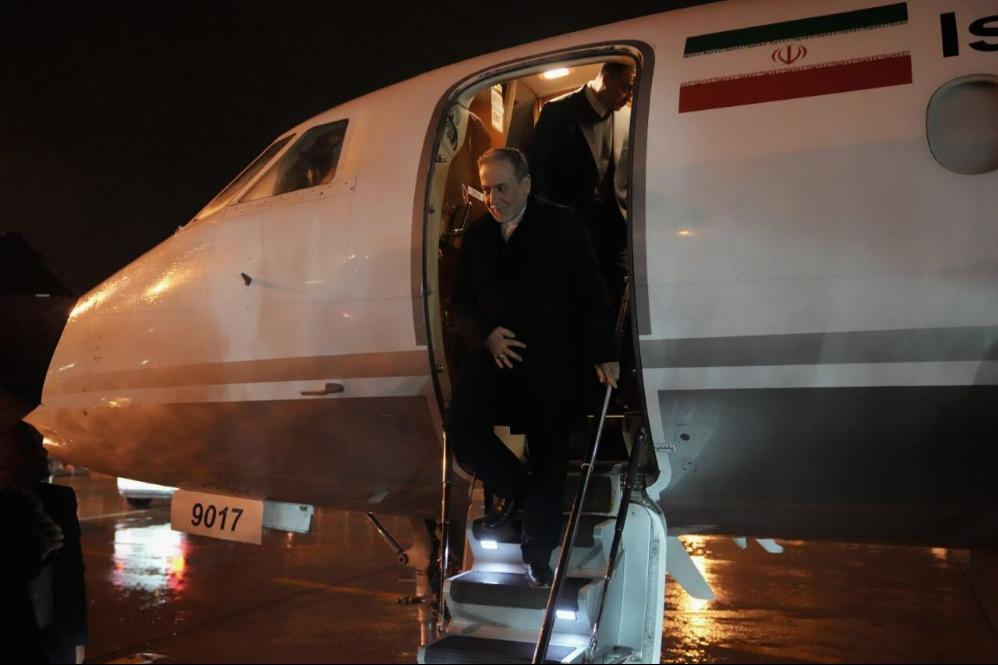
Iran And United States Hold Another Indirect Nuclear Talks In Geneva On February 26
10 sources compared

Pentagon Comptroller Jules Hurst III Says U.S. Iran War Costs $25 Billion
20 sources compared

Donald Trump Says U.S. Naval Blockade of Iranian Ports Could Last Months
23 sources compared

US Besieges Iranian Ports as Trump Mulls Extended Blockade, Driving Oil Prices Higher
10 sources compared