
US Besieges Iranian Ports as Trump Mulls Extended Blockade, Driving Oil Prices Higher
Key Takeaways
- Oil prices surged to multi-year highs on fears of disruption from US-Iran port blockade.
- Trump is weighing an extended blockade of Iranian ports and new Iran military options.
- Blockade risks prolonging Strait of Hormuz disruptions, threatening global oil supplies.
Blockade fears lift oil
Oil prices surged as the United States besieged Iranian ports and as fears grew that the Strait of Hormuz would remain effectively shut to shipping.
“Oil prices soared more than 6 percent on worries about prolonged supply disruption in the Strait of Hormuz and fears of a lengthy US siege of Iranian ports, settling at their highest levels in weeks”
Al Jazeera reported that US crude settled up 6.95 percent at $106.88 per barrel on Wednesday, while Brent crude rose 6.08 percent, or $6.77, to $118.03 after earlier touching its highest price since June 2022.
Reuters, as cited by Al Jazeera, also said Brent crude futures for June continued to rise on Thursday to $119.94 per barrel as of 00:57 GMT, while US West Texas Intermediate futures were at $107.51.
CNN reported a separate spike, saying oil prices surpassed $126 a barrel on Thursday morning, its highest price since 2022, as President Donald Trump mulls an extended blockade of Iranian ports.
CNN added that Brent crude was up more than 12% overnight into Thursday before paring some gains to trade at $124 as of 2:28 am Thursday, and that WTI crude was up more than 3%, surpassing $110 per barrel.
The BBC similarly said Brent crude rose by almost 7% to more than $126 (£94) a barrel at one point, describing it as the highest since Russia’s full-scale invasion of Ukraine.
Across the reporting, the common driver was the same: negotiations between the US and Iran had stalled and the Strait of Hormuz was still effectively closed, keeping global energy shipments disrupted.
Trump weighs extension
Multiple outlets tied the market jump to Donald Trump’s consideration of how long the US naval blockade of Iranian ports could last, and to internal discussions about options.
Al Jazeera said a White House official told Reuters that Trump had asked US oil companies about ways to mitigate the impact of a potentially months-long siege of Iranian ports, adding that the president and oil executives “discussed the steps President Trump has taken to alleviate global oil markets and steps we could take to continue the current blockade for months if needed and minimize impact on American consumers.”
CNN reported that in a meeting between Trump and his top advisers, the president said he wanted the US naval blockade of Iranian ports to continue, and that his team had begun laying the groundwork for such an extension, including a longer-term closure of the Strait of Hormuz.
The BBC reported that the US military had prepared a plan for a wave of “short and powerful” strikes on Iran to try to break the deadlock in negotiations with Tehran, citing Axios and saying the BBC had contacted US Central Command and the White House for comment.
The Guardian said Brent soared above $126 a barrel on Wednesday after Trump warned the US blockade of Iranian ports could last months and peace talks remained stalled, and it quoted a White House official saying Trump discussed what steps could be taken to “continue the current blockade for months if needed.”
In a separate report, ynetnews said expectations that Trump was considering long blockade on Iran caused the jump in oil price, and it cited a White House official saying Trump and representatives of oil companies discussed imposing a months-long blockade if necessary.
Reuters coverage as relayed by gCaptain also described the same sequence: Trump discussed how to mitigate the impact of a possible months-long US blockade of Iran’s ports with oil companies, and the White House official said the talks covered steps to continue the blockade for months if needed.
Iran rejects blockade
Iranian officials and security voices pushed back against the idea that the blockade would meaningfully disrupt fuel supply, while also threatening further action.
“Oil prices surpassed $126 a barrel on Thursday morning, its highest price since 2022, as President Donald Trump mulls an extended blockade of Iranian ports”
CNN quoted Iranian Oil Minister Mohsen Paknejad saying, “The enemy will achieve nothing through a naval blockade of Iran,” and it added that he urged the public to cut consumption as the country launches a broad energy-conservation campaign.
CNN also reported that Iran dismissed the impact of the US naval blockade, with the government saying there is “no worry” about the steady supply and distribution of fuel.
The BBC described Iran’s response to US-Israeli airstrikes, saying Iran retaliated by threatening to attack ships in the waterway, through which about a fifth of the world's energy usually passes.
ynetnews said Iranian state television quoted a senior security source in the Islamic Republic threatening “unprecedented military action” if the United States continues seizing ships linked to Iran at sea.
gCaptain likewise reported that Tehran warned on Wednesday of “unprecedented military action” against continued U.S. blockading of Iran-linked vessels, and it said Trump had urged Tehran to “get smart soon” and sign a deal.
The Guardian added that Iran responded by keeping the strait of Hormuz all but shut to other oil tankers, and it described the stalemate as grinding on after US-Iran talks set for Islamabad in Pakistan over the weekend failed to materialise.
Economic toll and fallout
The reporting links the Iran blockade standoff to immediate economic effects, including fuel prices, inflationary pressure, and broader growth forecasts.
Al Jazeera said almost the entire Asia Pacific region is dependent on oil imports and much of those supplies come from the Middle East, with Al Jazeera’s Barnaby Lo warning that “with the price of Brent crude touching $120 a barrel, there is no doubt that is going to have a huge impact on the region.”
Al Jazeera added that the Asian Development Bank was cutting its growth forecast for the region from 5.1 percent to 4.7 percent this year, and it said “Right now millions if not billions across the region are already suffering from elevated fuel prices as well as higher prices for basic goods and commodities,” as Lo said.
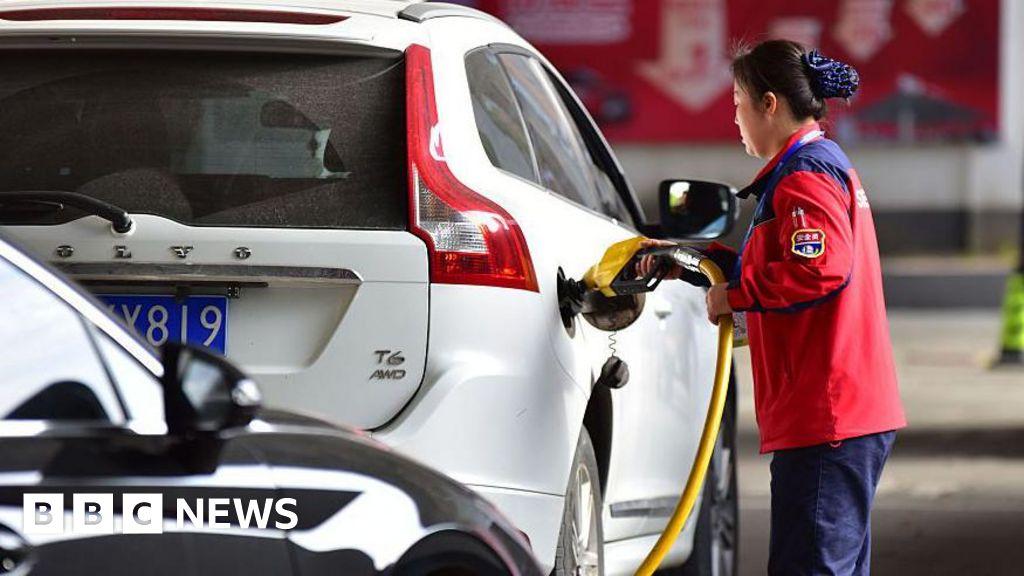
CNN reported that the national average US gas price reached a four-year high of around $4.23, according to AAA data, and it said the skyrocketing energy prices driven by the US-Iran war had driven prices up more than 27%.
CNN also cited the International Energy Agency calling the disruption the “largest supply disruption in history,” and it said daily transits through the Strait of Hormuz had reduced to near zero since the war began in late February.
The Guardian described cascading effects on the global economy, saying global oil supplies drop by nearly 20 million barrels every day the strait is choked off, and it cited Oxford Economics warning that a six-month impasse could send oil prices as high as $190 by August.
The Guardian also reported that Deutsche Bank strategist Jim Reid said the oil jump was feeding “growing fears about an extended stagflationary shock,” and it included specific yield moves, including Japan’s 10-year yield moving up to 2.51% and the German bund yield at 3.11%, with UK 10-year gilt yields hitting 5.07%.
Different frames of the same standoff
While all the outlets describe oil prices rising on fears tied to the US-Iran confrontation, they diverge in what they emphasize: negotiations, military options, or the mechanics of shipping disruption.
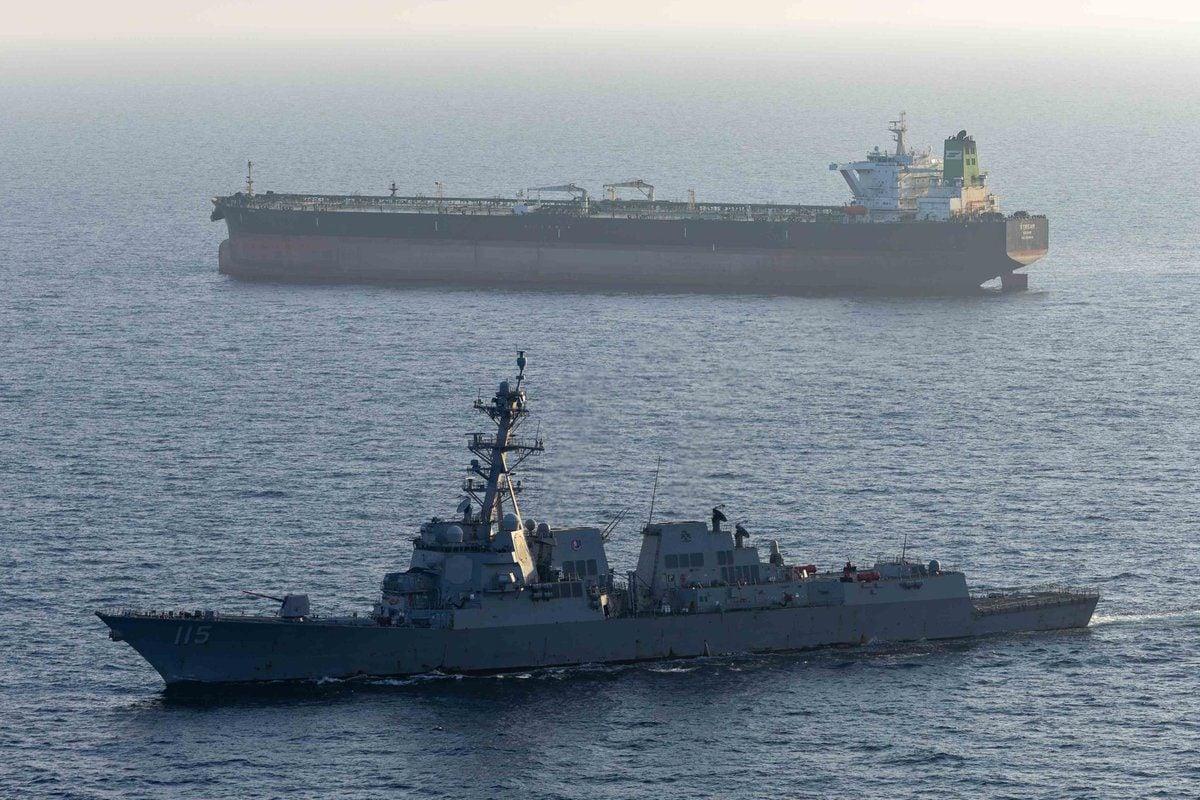
“Strait of Hormuz Nears Third Month of Closure A fully-laden Japan-linked oil tanker completed a rare transit of the Strait of Hormuz, as the effective closure of the waterway to most international traffic enters its third month”
CNN frames the surge around Trump mulling an extended blockade and around the breakdown of face-to-face negotiations, saying the Strait of Hormuz was “effectively shut still,” and it quotes Vandana Hari saying oil prices have “nowhere to go but up” until the reopening comes into sight.
The BBC instead spotlights the possibility of new US military plans, reporting that US Central Command prepared a plan for “short and powerful” strikes and that Axios reported the proposed wave would likely include infrastructure targets, while also describing the market’s quick reaction to escalation.
The Guardian emphasizes the political warning and duration, saying Trump warned the blockade could last ‘months’ and quoting Trump telling Axios that “The blockade is somewhat more effective than the bombing. They are choking like a stuffed pig.”
Al Jazeera foregrounds the White House’s outreach to oil companies and the market’s fear of a “potentially months-long siege,” while also bringing in the Pentagon’s cost estimate, saying the war has cost the US military $25bn so far.
The gCaptain Reuters relay adds a detailed diplomatic and legal framing, describing mediator Pakistan trying to avoid escalation while the two sides exchange messages on a potential deal, and it includes Iran’s nuclear bargaining position and the claim that Iran has executed at least 21 people since the start of the war and arrested more than 4,000 on national security-related charges, citing UN human rights chief Volker Turk.
Meanwhile, ynetnews adds a shipping-count detail, saying CNN published data showing that instead of thousands of cargo ships during March, only 154 vessels passed through the strait, and it also quotes Trump’s Axios interview language about choking “like a fattened pig.”
What happens next
The sources describe a near-term future shaped by whether the US blockade is extended, whether the Strait of Hormuz reopens, and whether negotiations resume, with multiple warnings about how long markets can absorb disruption.
CNN said that with the Strait of Hormuz effectively closed for the past two months, analysts said energy markets may take as long as a year to recover to normal supply and demand balances, and it reported economists warning that if the disruption extends into the second half of the year, it could trigger a global recession.
The Guardian similarly warned that a six-month impasse could send oil prices as high as $190 by August and said the war was about to enter its 10th week despite Trump’s initial projections of a 4-6 week conflict before Tehran would buckle.
The BBC described the “big question” as how long the Trump administration can stand the economic heat, with Will Walker-Arnott telling the Today programme that “People are really beginning to worry about the inflationary impact coming through from the rise in the oil price.”
Al Jazeera reported that “Prospects for any near-term resolution to the Iran conflict or a reopening of the Strait of Hormuz remain dim,” quoting IG market analyst Tony Sycamore.
Reuters coverage relayed by gCaptain said the war has already cost the US military $25 billion so far and described Iran’s pledge to continue disrupting traffic through the strait as long as it is threatened, implying continued supply disruptions.
The Guardian also said US officials hope the blockade will force Iran to cap its oil wells and shutter production once its oil facilities, such as Kharg Island, have filled to the brim, while analysts were unsure how long that could take.
More on Iran

Oil Prices Surge as US Siege of Iranian Ports Threatens Strait of Hormuz Supply
11 sources compared
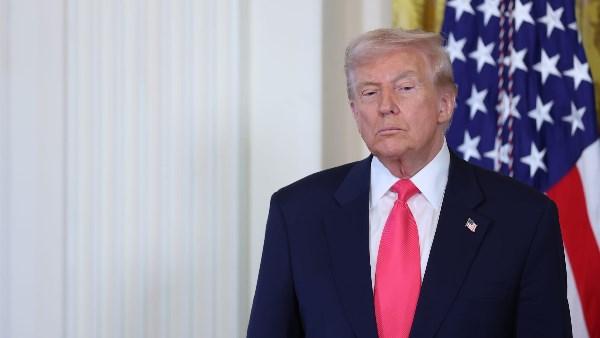
Trump Receives CENTCOM Briefing on Potential U.S. Military Action Against Iran Thursday
13 sources compared

Pentagon Says Iran War Costs $25 Billion So Far, Acting Comptroller Jules Hurst III Tells Congress
37 sources compared
Trump Extends Iran Ports Blockade, Driving Oil Prices to Wartime High
24 sources compared