South America10 May, 20263 min read
Bolivia Fuel Shortages And Junk Gasoline Scandal Drive EV Adoption In El Alto
This article is an automated aggregation of coverage from news outlets. Our editorials offer in-depth analysis curated by the NewsCord team.
Bolivia's EV count rose from 500 to 3,352 in five years, with further growth anticipated. Fuel shortages and junk gas scandal drive Bolivian EV adoption amid rising petrol prices.
Bolivia turns to EVs
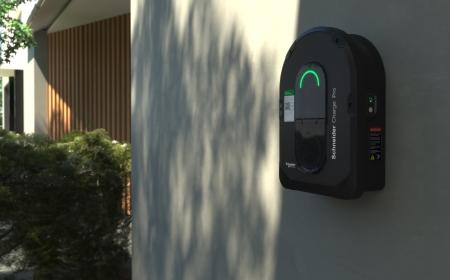
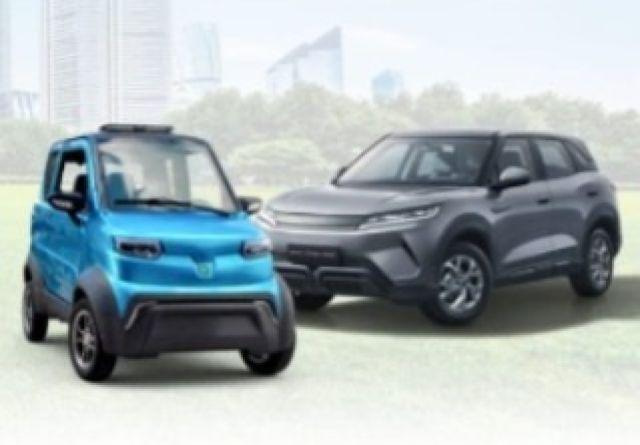
In Bolivia, fuel shortages and skyrocketing prices pushed Simón Huanca, a 53-year-old Indigenous artisan, to import a Chinese electric car to navigate El Alto, Bolivia’s highest city, while transporting his family and alpaca wool for his weaving workshop. Huanca installed a dedicated charger in his own garage because there are only three public charging stations serving the vast metropolitan area of El Alto and neighboring La Paz, home to more than 1.6 million people. The shift comes as a presidential decree ended long-standing fuel subsidies, effectively doubling the cost of gasoline, and after President Rodrigo Paz repealed the subsidy in December, energy prices nearly doubled.
The article also links the fuel crisis to the “junk gasoline” scandal, in which the government alleged sabotage and said the gasoline distributed by state-owned oil company Yacimientos Petrolíferos Fiscales Bolivianos was contaminated with gum and manganese that had remained in the storage tanks since the Arce administration. Over the last five years, the number of electric vehicles in Bolivia climbed from 500 to 3,352, according to the Single Registry for Tax Administration, which compiles data on tax-paying vehicles.
Infrastructure and costs
Freddy Koch, an electromobility expert with the independent nonprofit organization Swisscontact, said the growth is exponential and predicted that the total number of electric vehicles could triple in as little as two to three years. Koch’s forecast is framed against the fact that electric vehicles still make up a tiny fraction of the estimated 2.6 million vehicles in the country of almost 12 million people. Marcelo Laura, a 38-year-old electrician, said he identified a niche in installing residential and commercial charging stations after noting, “There aren’t many public charging stations.”
The Killeen Daily Herald also described how Paz eliminated import tariffs on all types of automobiles, a move that multiplied the number of importers competing to bring these vehicles into Bolivia at a lower cost. In the same coverage, Ever Vera, a 54-year-old lawyer, said, “The investment exceeds $36,000, but I no longer waste valuable working hours searching for fuel or managing vehicle repairs.”
Green finance in Bolivia
Banco Unión, according to Correo del Sur, began the year reaffirming its commitment to sustainable development and the fight against climate change by consolidating an active green finance strategy that already amounts to more than USD 131 million in a credit portfolio managed under environmental criteria. The bank said it promotes electromobility through UNIAuto Verde, offering preferential credit terms for the purchase of brand-new zero-kilometer vehicles with low CO2 emissions, and it also runs Microverde for micro and small enterprises seeking to improve their environmental performance and optimize energy use. Correo del Sur reported that Microverde provides terms of up to 10 years, competitive rates, and flexible payment schemes tailored to each client’s cash flow, and that the program incorporates climate-change adaptation criteria.
The article further stated that Banco Unión integrates environmental, social, and governance (ESG) criteria into its management and that it has measurement, reporting, and verification systems aligned with international standards. It added that in 2025 the bank achieved a score of 9.7, reflecting a Very High social commitment, and a rating of 9.6 as Very Strong in environmental performance.