Full story
Trump to get CENTCOM options
U.S. President Donald Trump is set to receive a briefing on Thursday on new plans for potential military action against Iran from the leader of U.S. Central Command, Brad Cooper, Axios reported, citing unidentified sources.
“By Kanishka Singh April 29 (Reuters) – President Donald Trump will receive a briefing on Thursday from the leader of the U”
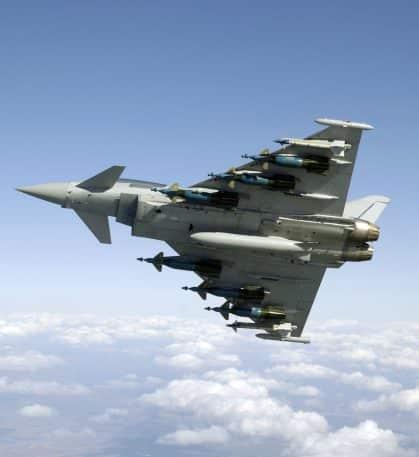
The briefing is described as covering multiple options, including a plan prepared by CENTCOM for a “short and powerful” wave of strikes on Iran, likely including infrastructure targets.

Axios also reported that Washington would hope to make Iran more flexible on the negotiating table on the nuclear issues, and that another plan expected to be shared with Trump focuses on taking over part of the Strait of Hormuz to reopen it to commercial shipping.
The Axios report further said that another option might come up in the briefing: a special forces operation to secure Iran’s stockpile of highly enriched uranium.
The BBC reported that oil prices jumped to their highest since 2022 after the report that the US military is set to brief Trump on new plans for potential action in the Iran war.
The BBC said Brent crude rose by almost 7% to more than $126 a barrel at one point, and that after reaching $126.31 in Asian trade, Brent crude fell back to around $116 in European trade.
The BBC also said the current Brent futures contract for June delivery is due to expire on Thursday, while the more active July contract was trading at around $110 a barrel.
What the options would do
Across the reports, the CENTCOM plans presented to Trump are framed as ways to shift the negotiating dynamics with Tehran and to address the status of the Strait of Hormuz.
Axios said CENTCOM has prepared a plan for a “short and powerful” wave of strikes on Iran—likely including infrastructure targets—in hopes of breaking the negotiating deadlock, and it described the hope as Iran returning to the negotiating table showing more flexibility on the nuclear issue.

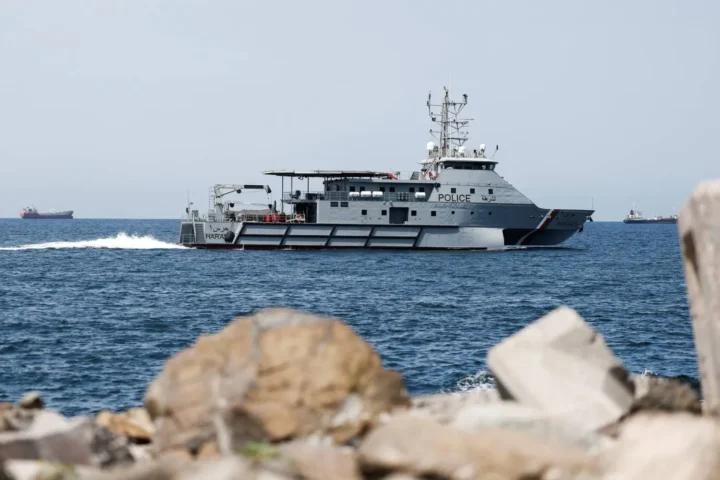
Axios also said another plan expected to be shared with Trump is focused on taking over part of the Strait of Hormuz to reopen it to commercial shipping, and that such an operation could include ground forces.
The BBC said the key Strait of Hormuz waterway is still effectively closed, and it tied the oil price jump to peace talks appearing to have stalled.
The BBC also said the US said it would blockade Iranian ports for as long as Tehran continues to threaten vessels that try to use the Strait of Hormuz, severely disrupting global energy shipments.
In the same BBC report, Iran retaliated against US-Israeli airstrikes by threatening to attack ships in the waterway, through which about a fifth of the world’s energy usually passes.
Reuters, as carried by Al-Monitor and 102.7 WBOW, said the briefing is expected to include a plan for “short and powerful” strikes likely including infrastructure targets, and it described another option as taking over part of the Strait of Hormuz to reopen it to commercial shipping.
Iran’s response and US leverage
The reporting links the military options to an ongoing contest over leverage and escalation, with the US emphasizing a blockade and Iran issuing statements about securing the Strait of Hormuz.
“Skip to main content 9 hours ago - World Scoop: Commanders to brief Trump on new Iran military options Thursday Barak Ravid email (opens in new window) sms (opens in new window) facebook (opens in new window) twitter (opens in new window) linkedin (opens in new window) bluesky (opens in new window) Add Axios as your preferred source to see more of our stories on Google”
The BBC said Trump told Axios on Wednesday that he saw the naval blockade on Iran as “somewhat more effective than the bombing.”
The BBC also said the US said it would blockade Iranian ports for as long as Tehran continues to threaten vessels that try to use the Strait of Hormuz, severely disrupting global energy shipments.
The BBC reported that Iran retaliated against US-Israeli airstrikes by threatening to attack ships in the waterway, through which about a fifth of the world’s energy usually passes.
In the BBC’s account of Iran’s messaging, it said a statement attributed to Iran's Supreme Leader Mojtaba Khamanei said that Tehran would secure the Strait of Hormuz and eliminate "the enemy's abuses of the waterway".
Axios said two sources told Axios that Trump currently sees the blockade as his primary source of leverage, but he would consider military action if Iran still won’t cave.
Axios also said U.S. military planners are considering the possibility Iran will take military action against U.S. forces in the region in retaliation for the blockade.
Markets and daily costs
The reports connect the prospect of renewed combat operations to immediate market moves and downstream costs, especially for energy and consumer prices.
The BBC said oil price hits highest since 2022 after a report that the US military is set to brief President Donald Trump on new plans for potential action in the Iran war.

It described Brent crude rising to more than $126 a barrel at one point, and it said the price jump pushed up pump prices for motorists, with UK petrol averaging 157p a litre and diesel at 188.5p a litre.
The BBC also said RAC head of policy Simon Williams commented that while the price of petrol at the pumps has fallen, "our analysis of wholesale costs shows petrol is now more expensive for retailers to buy than at any time since the war began".
The BBC added that diesel, which has come down by 3p a litre, is currently well below its highest wholesale price since the start of the conflict, so it should fall further, and it quoted Williams saying, "However diesel, which has come down by 3p a litre, is currently well below its highest wholesale price since the start of the conflict, so should fall further."
The BBC also said fertiliser prices have started to increase, and it quoted Naveen Das, senior oil analyst at Kpler, saying an oil price approaching $125 is the point where businesses and politicians “start to get a bit more jittery.”
The BBC further quoted Das on the knock-on effects, saying the increase in prices "has a knock-on effect not only on oil, but oil-related products, inflation and basically every factor of our day-to-day lives".
Ceasefire timeline and escalation risk
Several outlets place the briefing within a specific escalation timeline, including a ceasefire that is described as fragile and the start of the war on 28 February.
“US commanders to brief Trump over West Asia war:Report says likely to present 3 new military options to end the conflict - Copy link President Donald Trump will receive a briefing on Thursday from the head of US Central Command, Brad Cooper, on new plans for possible military action against Iran, according to an Axios report published on Wednesday”
Al-Monitor and 102.7 WBOW both cite Reuters reporting that a fragile ceasefire in the Iran war began three weeks ago, and that the war began when the U.S. and Israel attacked Iran on February 28.
Al-Monitor’s Reuters account also says Iran responded with its own strikes on Israel and Gulf states with U.S. bases, and that U.S.-Israeli strikes on Iran and Israeli attacks in Lebanon have killed thousands and displaced millions.
Bhaskar English similarly says a fragile ceasefire began three weeks ago and that the war started when the US and Israel attacked Iran on 28 February, with Iran then responding with its own strikes on Israel and Gulf states hosting US bases.
The BBC, meanwhile, says a statement attributed to Iran's Supreme Leader Mojtaba Khamanei said a "new chapter" for the region had been taking shape since the start of the US-Israeli war with Iran on 28 February.
Axios adds that the briefing signals Trump is seriously considering resuming major combat operations either to break the logjam in negotiations or to deliver a final blow before ending the war.
Axios also says U.S. military planners are considering the possibility Iran will take military action against U.S. forces in the region in retaliation for the blockade.